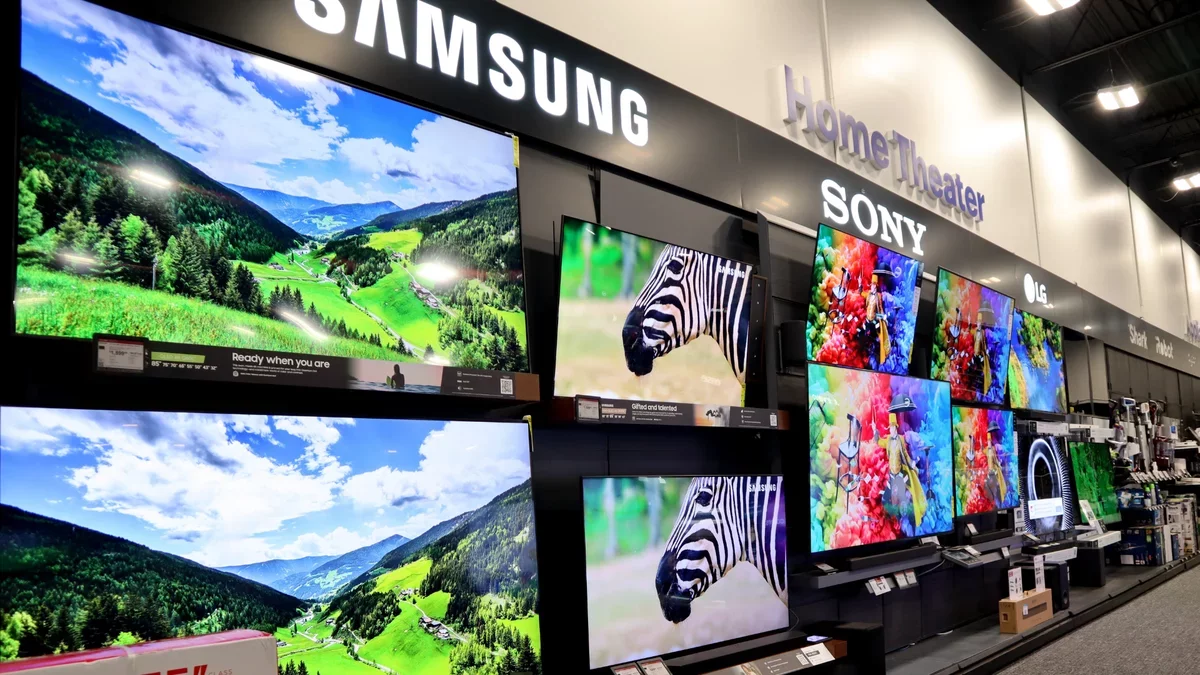
The recent surge in demand for artificial intelligence is causing a significant impact on the availability of RAM, a situation often referred to as "RAMageddon." This shortage is influencing not only personal computers but also the pricing of consumer electronics, including televisions, gaming consoles, smartphones, and various smart appliances. If you're considering purchasing a new TV, acting sooner rather than later may be wise.
According to industry insights, smart TVs typically require between 1GB to 8GB of RAM to deliver enhanced features and process high-quality video. Over the past year, the cost of memory chips commonly used in 4K televisions has skyrocketed, more than quadrupling in price. As a result, analysts predict a potential increase in TV prices is "inevitable." While Samsung has hinted at possible price adjustments, it's important to note that TVs generally utilize less advanced memory compared to other devices, suggesting that any price hikes may not be as steep as those seen in the PC and smartphone markets. The true impact will become clearer as manufacturers unveil their pricing strategies for 2026 models.
What's Behind the RAM Shortage?
Tech giants like Microsoft, Google, and Nvidia are monopolizing the memory supply for their AI data centers, leaving television manufacturers at a disadvantage. Marco Mezger, from Neumonda, explained that smaller companies face challenges when memory is scarce, as larger corporations exert more influence over pricing and supply chains. However, there is a silver lining for consumers.
Why Now is an Ideal Time to Purchase a TV
Currently, the retail market has not yet felt the full effects of rising RAM prices, making this an opportune moment to buy a television. In fact, smart TV prices have dropped by 15% since early 2024. Manufacturers often reduce prices during this period to make room for new models, and TVs available now were priced before the RAM shortage impacted the market. Some brands even lower their prices due to data collection practices, leading to attractive deals, such as a 65-inch OLED TV from Samsung for just $900. If you're in the market for a new television, now is the time to seize the opportunity.
How Long Will the RAM Shortage Persist?
While the duration of the RAM shortage remains uncertain, industry experts suggest that we may not return to normalcy until 2028. The demand for AI technology is expected to consume a staggering 70% of all high-end DRAM by 2026, pushing manufacturers to prioritize these chips over those used in televisions and other appliances. Although significant investments are being made to increase memory production, establishing new manufacturing facilities is a lengthy process, indicating that elevated TV prices may linger for some time.