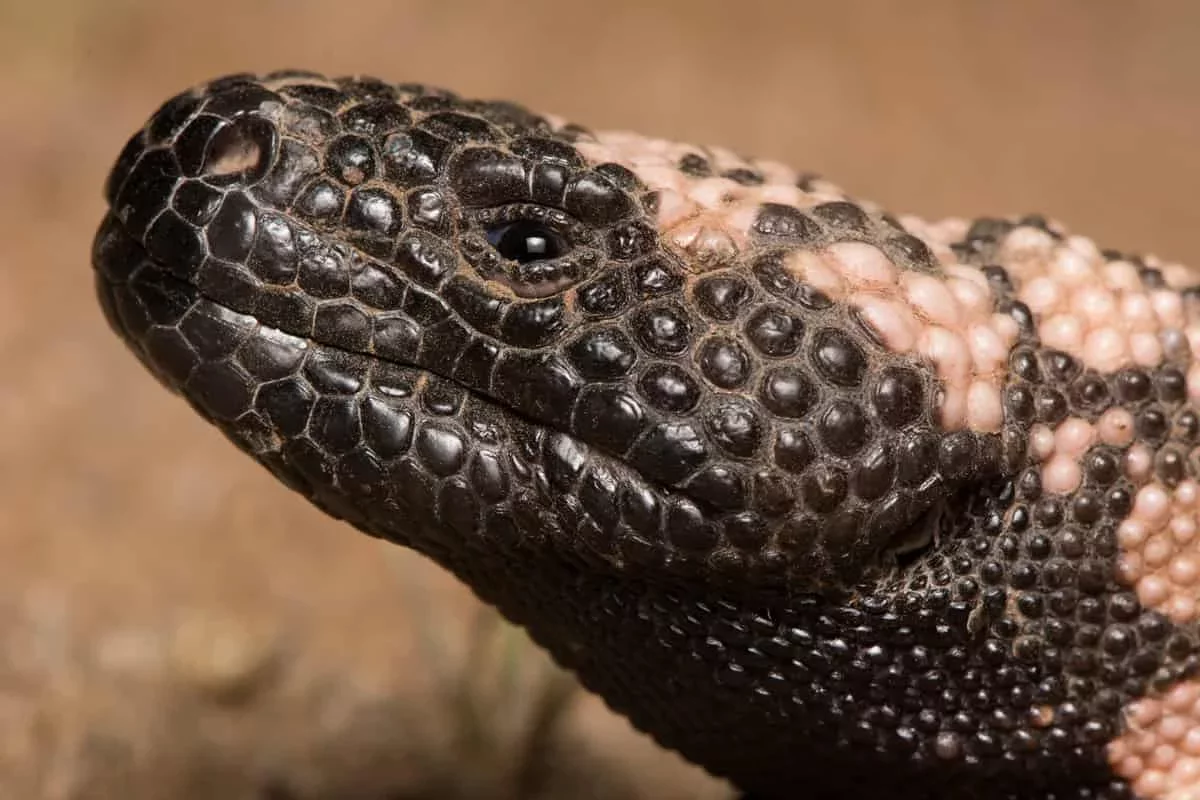
The fascinating journey of one of the world's most innovative drug classes began with a remarkable desert lizard known as the Gila monster. This unique creature, with its venomous bite and prehistoric appearance, has contributed significantly to breakthroughs in diabetes treatment.
Researchers discovered that the Gila monster's venom contains a crucial molecule that addresses a long-standing challenge in medicine: effectively managing blood sugar levels and appetite. This line of inquiry paved the way for the GLP-1 drug revolution, ultimately leading to the development of groundbreaking treatments like Ozempic and Wegovy.
Adapting to Long Fasts
The Gila monster is one of the few venomous lizards on the planet, primarily residing underground and consuming food infrequently. Its ability to endure extended periods without meals, followed by the consumption of large quantities of food, raised an intriguing question: how does its body maintain blood sugar stability under such extreme conditions?
When fasting, blood sugar levels typically decrease, and consuming a large meal can cause a sharp spike. The Gila monster's remarkable biochemical mechanisms for regulating glucose levels suggested it possesses unique tools that could inspire the development of better medications.
In the late 20th century, scientists studying the lizard's venom identified a peptide called exendin-4, which closely resembles a human hormone known as GLP-1 (glucagon-like peptide-1). This hormone plays a vital role in insulin release, digestion regulation, and appetite suppression.
Although GLP-1 had potential for diabetes treatment, its natural form degrades rapidly in the body, limiting its therapeutic use. Exendin-4, however, provides a solution, mimicking GLP-1 while remaining active for a longer duration.
Overcoming Skepticism
Endocrinologist John Eng was instrumental in transforming this discovery into a viable drug candidate. In 1992, he published his findings on exendin-4, but faced skepticism from pharmaceutical companies wary of the challenges associated with peptide drugs.
Despite the doubts, Eng persisted, driven by the potential benefits. His dedication eventually led to Amylin Pharmaceuticals licensing the technology and developing a synthetic version of exendin-4 called exenatide, which gained FDA approval as Byetta in 2005 for treating type 2 diabetes.
This pivotal moment marked a significant advancement in diabetes care, laying the groundwork for the development of Ozempic, a more refined treatment option that many patients rely on today.
A Legacy of Innovation
While the Gila monster did not directly produce semaglutide, it provided essential insights that catalyzed the creation of effective GLP-1-like medications. The success of exenatide sparked a wave of innovative treatments that have expanded beyond diabetes management, revolutionizing obesity treatment as well.
The journey from the Gila monster's venom to modern pharmaceuticals exemplifies the power of nature in inspiring medical advancements. This remarkable story highlights how curiosity and perseverance can lead to transformative solutions in healthcare.