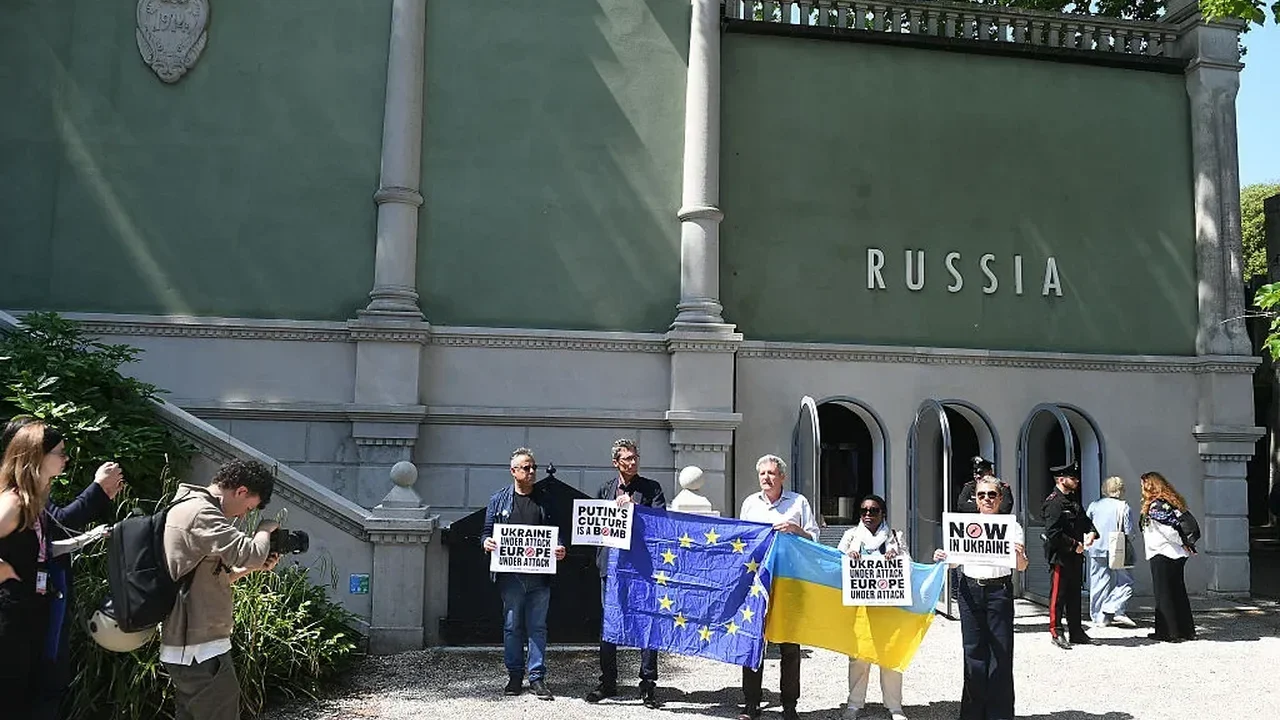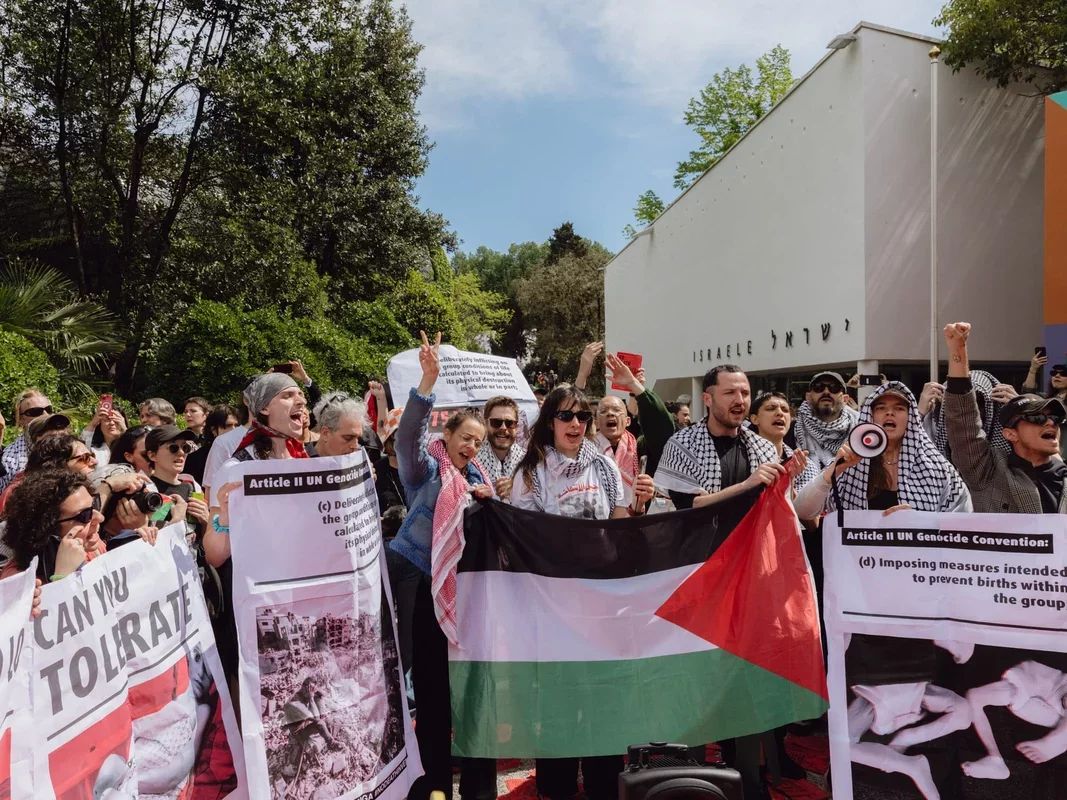
The Venice Biennale, set to open in May 2026 under the theme In Minor Keys, curated by the late Koyo Kouoh, is at the center of a significant cultural conversation. The inclusion of Israeli artist Belu-Simion Fainaru, announced by the Israeli Ministry of Culture, raises questions about the ethical implications of representation in art. While the Israeli Pavilion remains closed for renovations, the decision to allocate space in the Arsenale to Israel sparks debate about the Biennale's role in endorsing or challenging state actions.
Critics argue that the Biennale's decisions reflect a broader pattern of complicity in the face of ongoing humanitarian crises. The current situation in Gaza, marked by extensive destruction and loss of life, underscores the urgency for cultural institutions to reassess their positions. The Biennale, with its rich history of artistic expression, is now challenged to maintain its relevance amid accusations of moral ambiguity.
As artists and cultural workers, there is a growing call to utilize the power of art as a platform for revolutionary thought and social change. Many believe that refusing to normalize the ongoing injustices is essential. This sentiment echoes the words of artist Tai Shani, who emphasized the importance of the right to refuse participation in systems that perpetuate violence and oppression.
History has shown that cultural boycotts can be effective tools for change. The Venice Biennale has a legacy of responding to political events, from anti-war protests to advocating for marginalized voices. In this context, the call for a boycott of the 2026 Biennale is a reflection of a desire for accountability and ethical engagement within the art world.
As the Biennale prepares for its upcoming exhibition, it faces a pivotal moment. The artistic community is urged to confront the implications of their participation and the messages conveyed through their work. The challenge lies in fostering a dialogue that prioritizes justice and humanity over complacency.
In a world where art and politics intersect, the Biennale's decisions will resonate far beyond its walls. The potential for art to inspire change is immense, but it requires a collective commitment to uphold the values of human dignity and ethical responsibility. The future of the Venice Biennale may well depend on its ability to navigate these complex issues with integrity and vision.