The Giving Pledge, initiated by Warren Buffett and Bill Gates in 2010, aimed to encourage the wealthiest individuals to commit to donating the majority of their fortunes. This initiative emerged during a period of unprecedented wealth creation, particularly in the tech sector, raising questions about the societal impact of such fortunes. Buffett noted at the time, "We're talking trillions over time," and indeed, billionaire wealth has surged, with an 81% increase since 2020, amounting to an astounding $18.3 trillion globally. Yet, the distribution of this wealth is stark, as one in four individuals worldwide struggles with food insecurity.
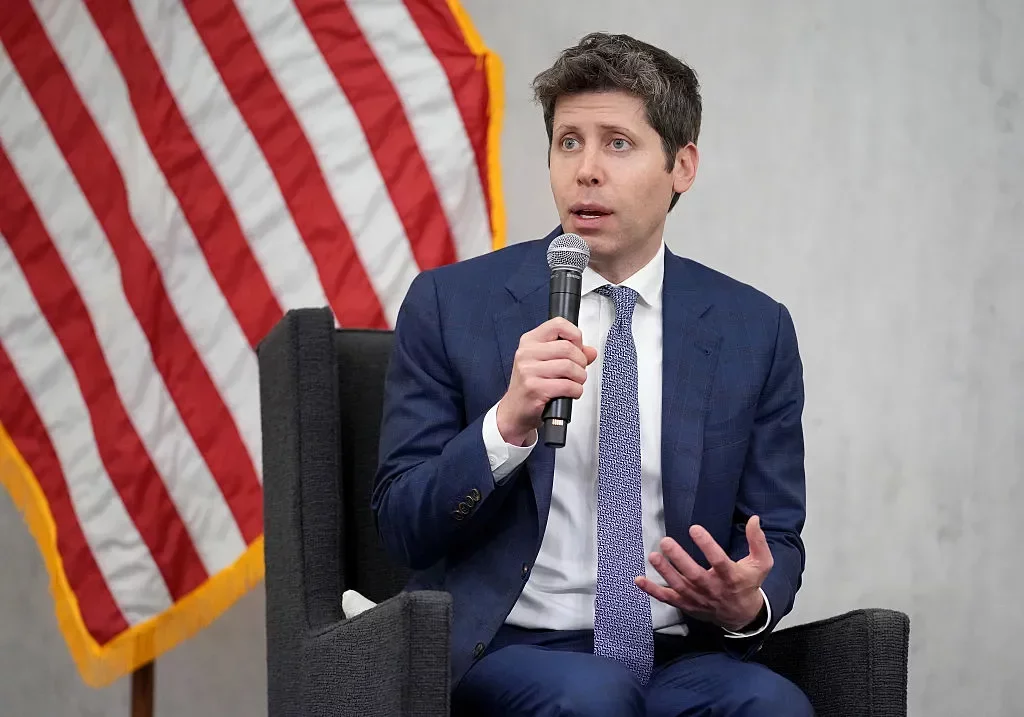
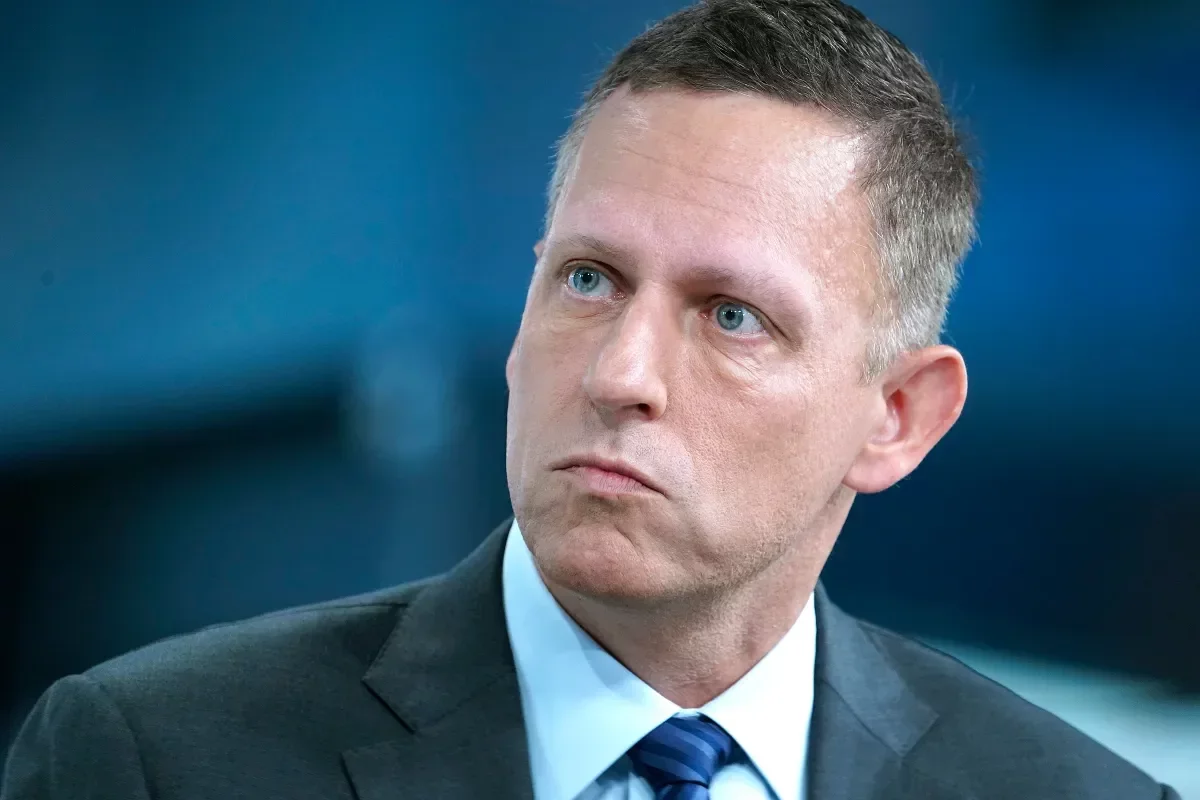
Recently, a growing number of billionaires are reconsidering their participation in the Pledge, which is voluntary and lacks enforcement mechanisms. The New York Times reported a significant decline in new signatories--from 113 families in the first five years to just four in 2024. Notable figures such as Sam Altman, Mark Zuckerberg, and Elon Musk are part of this elite group, yet the enthusiasm for the Pledge appears to be waning. Peter Thiel has observed that the initiative feels "less important" to many potential signers.
The narrative surrounding philanthropy in Silicon Valley has shifted. Once a badge of honor, the concept of "doing good" is now often met with skepticism. The HBO series "Silicon Valley" humorously critiqued the industry's self-proclaimed altruism, reportedly influencing corporate behavior to avoid such clichés. Roger McNamee, a veteran tech investor, highlighted a clash between the idealism of earlier tech pioneers and the more profit-driven ethos of contemporary leaders.
Amidst this climate, Thiel, who has never signed the Pledge, has encouraged others to reconsider their commitments. He argues that the pressure to maintain public pledges may feel coercive, leading some billionaires to feel "blackmailed" by public scrutiny. Yet, the actions of figures like Musk and Zuckerberg suggest a complex relationship with public perception that does not entirely align with Thiel's assessment.
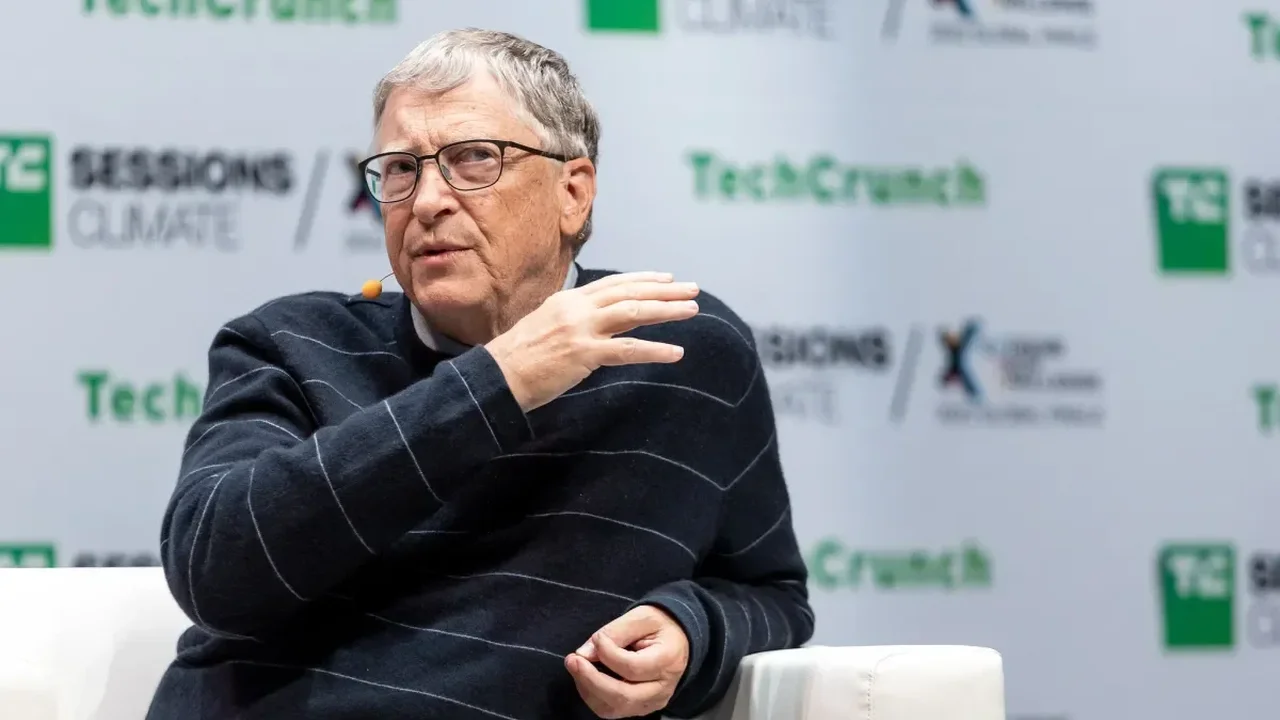
Interestingly, while some billionaires may be stepping back from collective pledges, many continue to give, albeit in ways that reflect their personal values. For instance, the Chan Zuckerberg Initiative is shifting focus toward biological research, a move that highlights a trend of tailored philanthropy. Meanwhile, Gates remains committed to donating over $200 billion through his foundation in the coming decades, emphasizing his desire to avoid dying wealthy.
The current landscape mirrors historical patterns of wealth concentration, reminiscent of the Gilded Age, where societal pressures eventually led to significant reforms. Today, billionaires are accumulating wealth at an unprecedented pace, while many face economic hardships. This juxtaposition raises critical questions about the future of philanthropy and the responsibility of the wealthy to contribute to societal well-being.
As the dynamics of wealth and philanthropy evolve, the implications for future societal structures and norms will be profound. The ongoing debate surrounding the Giving Pledge may catalyze a reevaluation of how wealth is utilized to address pressing global challenges.