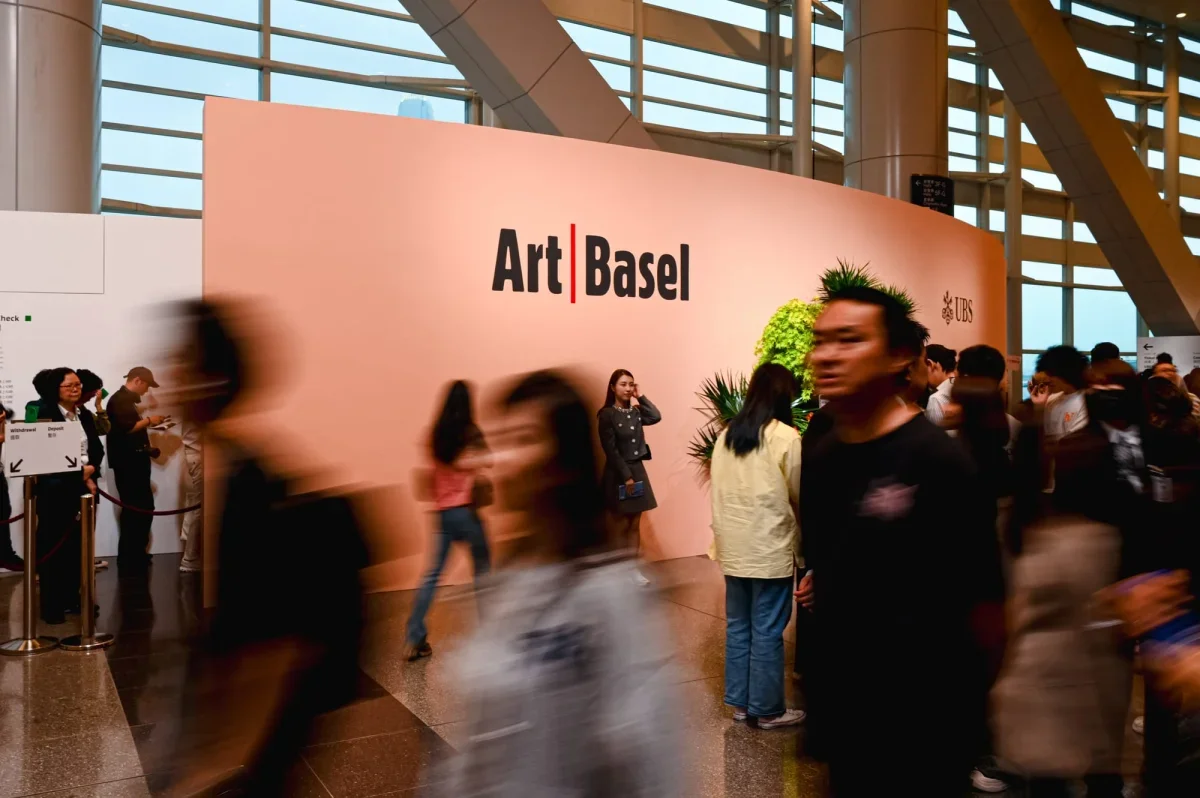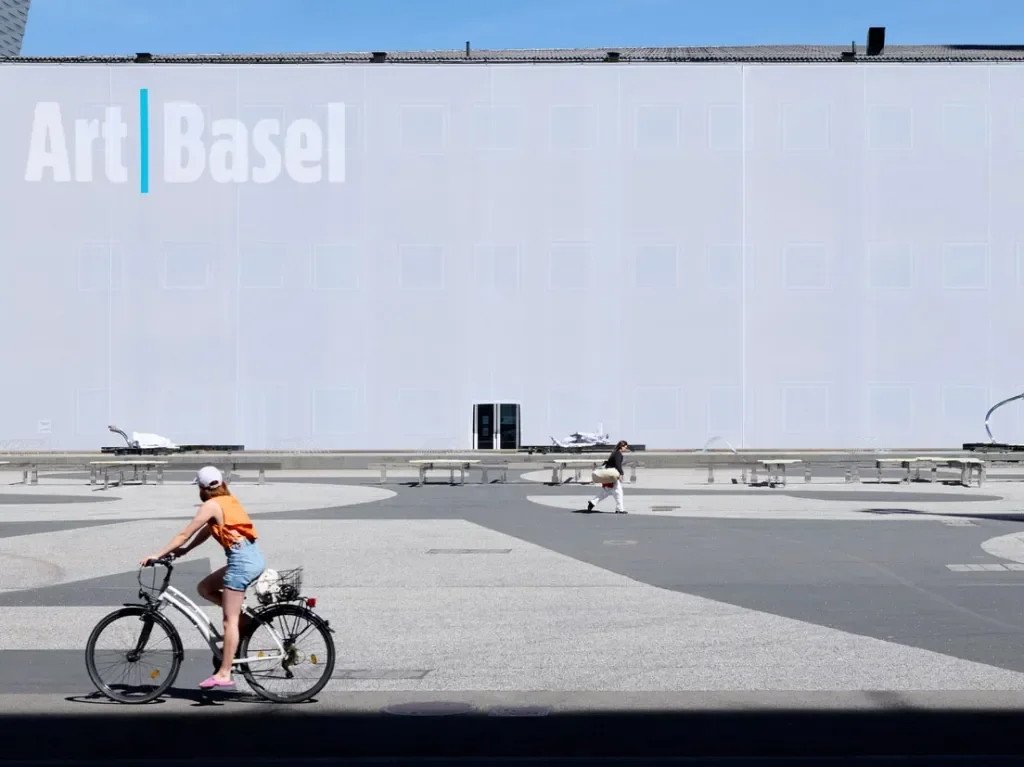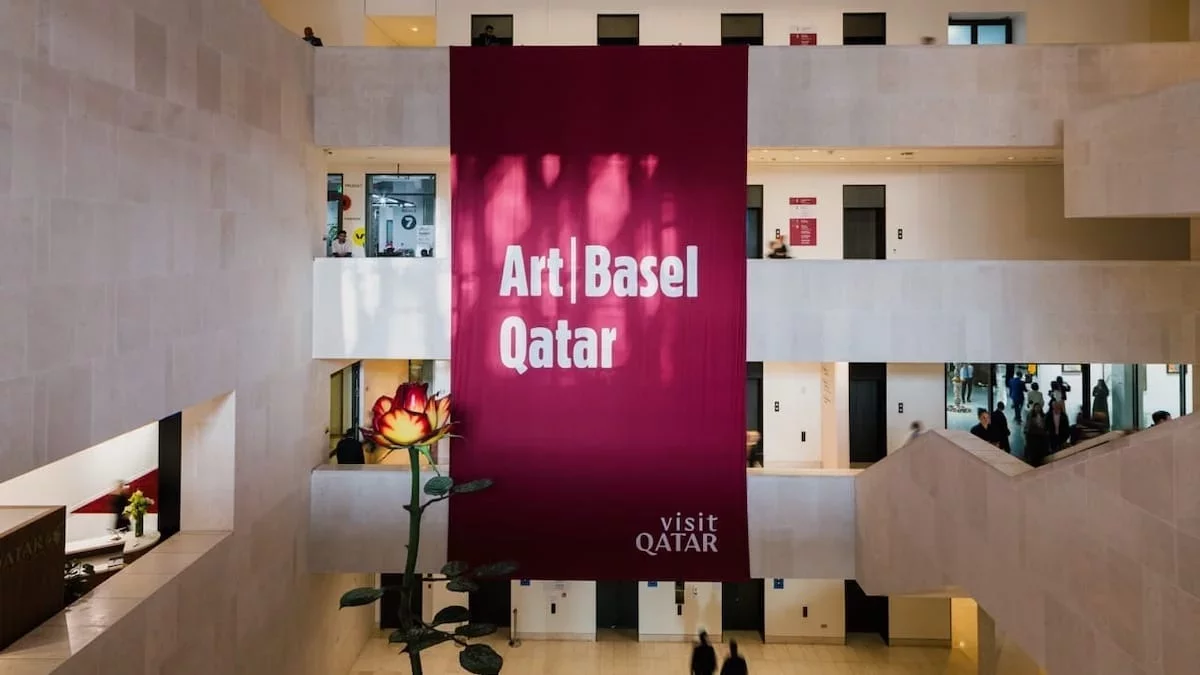
The cultural landscape of the Gulf region is undergoing a dynamic transformation, as exemplified by the recent launch of an Art Basel offshoot in Doha, Qatar. This significant event positions Qatar as a burgeoning hub for contemporary art, attracting global attention and engagement. However, this artistic renaissance contrasts sharply with the struggles faced by individuals like Nasser Mohamed, a queer artist who has sought refuge abroad due to the oppressive climate in his home country. In a poignant opinion piece, he highlights the paradox of celebrating Gulf autocracies as cultural epicenters while many, including himself, are denied basic freedoms.
Meanwhile, the ongoing discourse around cultural heritage remains critical. The recent damage inflicted on centuries-old palaces in Isfahan, Iran, raises concerns about the preservation of cultural identity in times of conflict. Such events underscore the importance of cultural memory as a collective asset that cannot be easily erased. As communities reflect on their artistic legacies, the role of art in shaping identity and resilience becomes increasingly vital.
In addition to these themes, the art community is buzzing with discussions on various topics. Damien Davis explores the complexities of art awards and their implications for visibility and power dynamics within the industry. The spotlight also shines on Ali Eyal, a Baghdad-born artist featured in the Whitney Biennial, whose work reflects on personal and collective narratives shaped by historical events.
As the art world continues to evolve, innovative projects are emerging, such as participatory art initiatives in small towns like Kingsbury, Texas, demonstrating how art can foster community engagement and cultural governance. This trend highlights the potential of art as a tool for social change and collective empowerment.
As we navigate these exciting developments, it is essential to recognize the transformative power of art and culture. The ongoing dialogue surrounding identity, freedom, and heritage will undoubtedly shape the future of artistic expression, fostering a more inclusive and vibrant cultural landscape.