Tesla's energy storage division has notably transformed a less-than-stellar earnings report into a more favorable outcome.
In the previous year, the company's profits dipped by 45% compared to 2024, primarily due to a decline in electric vehicle sales. Although investors anticipated this downturn, Tesla managed to exceed Wall Street's earnings and revenue forecasts, largely thanks to its energy storage segment.
In 2025, Tesla set a new record by deploying 46.7 gigawatt-hours of energy storage solutions, marking a remarkable 48% increase from the previous year, as detailed in the company's official disclosures.
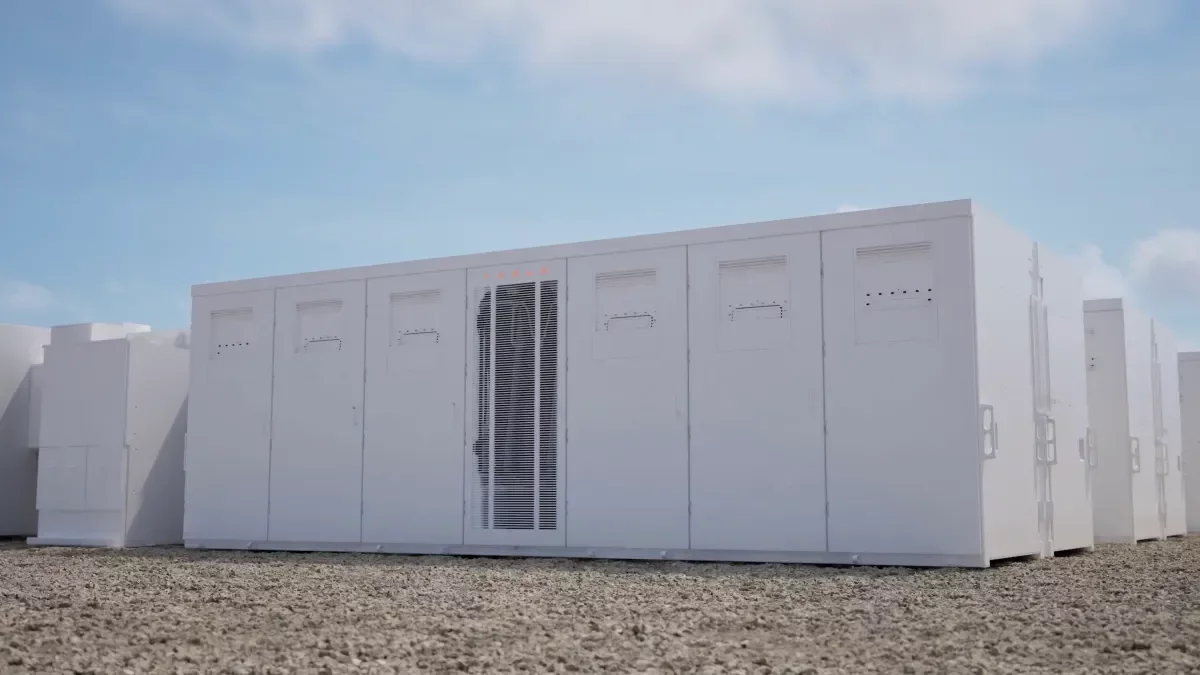
Significant products, including the Megapack and Powerwall, along with solar installations, now account for nearly a quarter of Tesla's overall gross profit. Just in the last quarter, the Megapack alone generated $1.1 billion of the storage division's total gross profit of $3.8 billion for the year. The revenues from storage and energy generation experienced a 26.5% increase, reaching $12.8 billion.
These storage solutions and solar panels are proving to be highly lucrative, boasting a gross margin of 29.8%, nearly double that of Tesla's automotive sales.
Looking ahead, the importance of energy storage within Tesla's strategy is expected to grow.
Large-scale energy storage initiatives, such as those implemented for utilities or data centers, are typically milestone-driven, with revenue recognized as specific targets are met. In its recent 10-K filing with the SEC, Tesla projected that it will acknowledge $4.96 billion in deferred revenue this year from ongoing projects, more than double the amount recognized from storage projects in 2025.
However, some challenges remain on the horizon.
The One Big Beautiful Bill Act (OBBBA) has phased out tax incentives for residential energy storage solutions like the Powerwall, although commercial tax credits for Megapack and Megablock products will persist until the mid-2030s. Additionally, tariffs and provisions within the OBBBA may lead to increased battery cell costs. While sales volumes have risen, the average selling price of a Megapack has declined, indicating heightened competition in the energy storage sector.
Despite these hurdles, Tesla maintains a positive outlook for its storage business.
"Despite these challenges, as AI infrastructure drives rapid load growth, we see opportunities for our energy storage products to stabilize the grid, shift energy when it is needed most, and provide additional power capacity," the company stated in its earnings report.