Tea is evolving into more than a drink in the United States: it is becoming a social format, a design language, and a slower way to gather. From Los Angeles to Chicago and New York, a new wave of teahouses is shaping spaces where guests can linger, talk, and experience tea with greater intention.
A calmer alternative to the usual café model
At Tea at Shiloh in Los Angeles, founder Shiloh Enoki created a late-night teahouse that runs from 7 to 11 p.m. with unlimited herbal blends, jazz music, soft seating, and creative activities like watercolor and clay. The idea is to encourage presence rather than screen time, while still leaving room for conversation and connection.
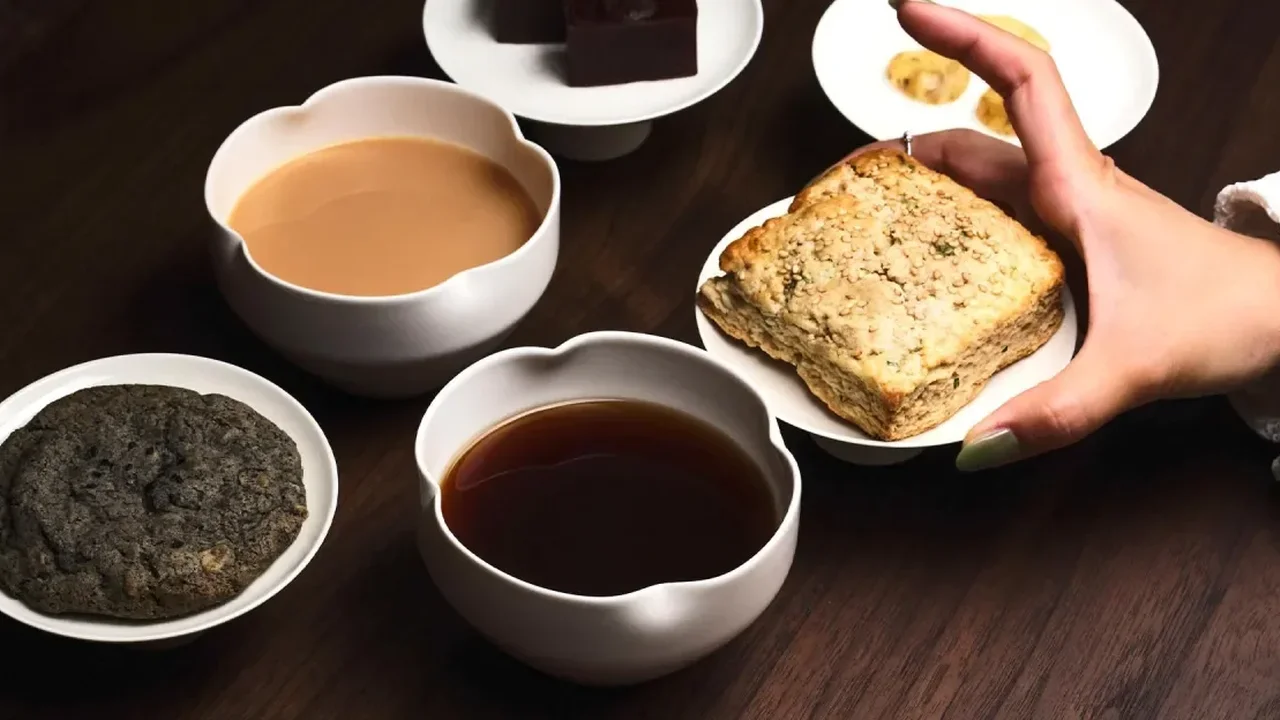
Similar concepts are appearing elsewhere. In Chicago, Han Cha offers a two-hour high-tea experience built around Asian teas and thoughtful pairings. In Manhattan's Chinatown, Soft Hours focuses on Chinese teas and a laptop-free atmosphere inspired by the Song dynasty, presenting tea as a cultural ritual rather than a trend-driven beverage.
Tea as a modern flavor platform
The movement is also visible in newer businesses such as Tian Tea House in Kansas City, which combines tea service, tea education, and an evening cocktail-bar concept. Meanwhile, larger brands like Heytea are expanding across the U.S. with "new-style" tea drinks that blend texture, botanicals, and layered flavor profiles.
Industry observers note that black tea, jasmine, oolong, and Earl Grey are increasingly showing up in refreshers, desserts, soft serve, and specialty drinks. That shift suggests tea is moving beyond a single category and becoming a flexible ingredient for contemporary food and beverage culture.
As tea continues to adapt across formats and communities, it may help define a future where hospitality feels more mindful, more global, and more connected to everyday ritual.