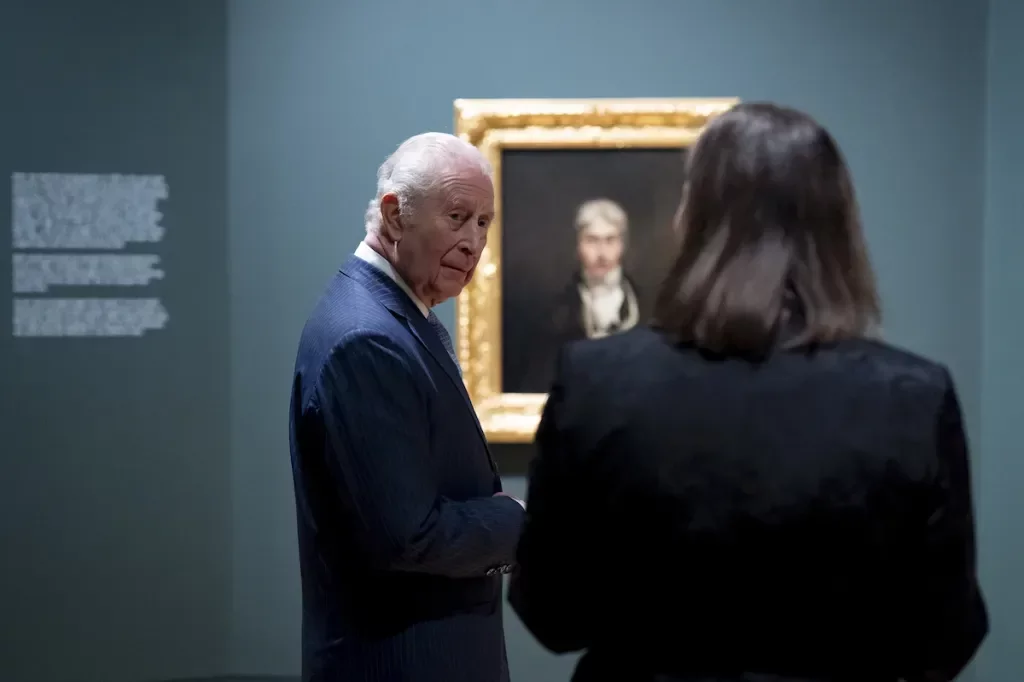
Tate Britain is presenting a major solo exhibition dedicated to James McNeill Whistler, offering a fresh look at an artist whose influence has long traveled between Europe and the United States. The show, developed over five years, brings together works that highlight Whistler's signature approach: restrained palettes, atmospheric compositions, and a focus on visual harmony over narrative detail.
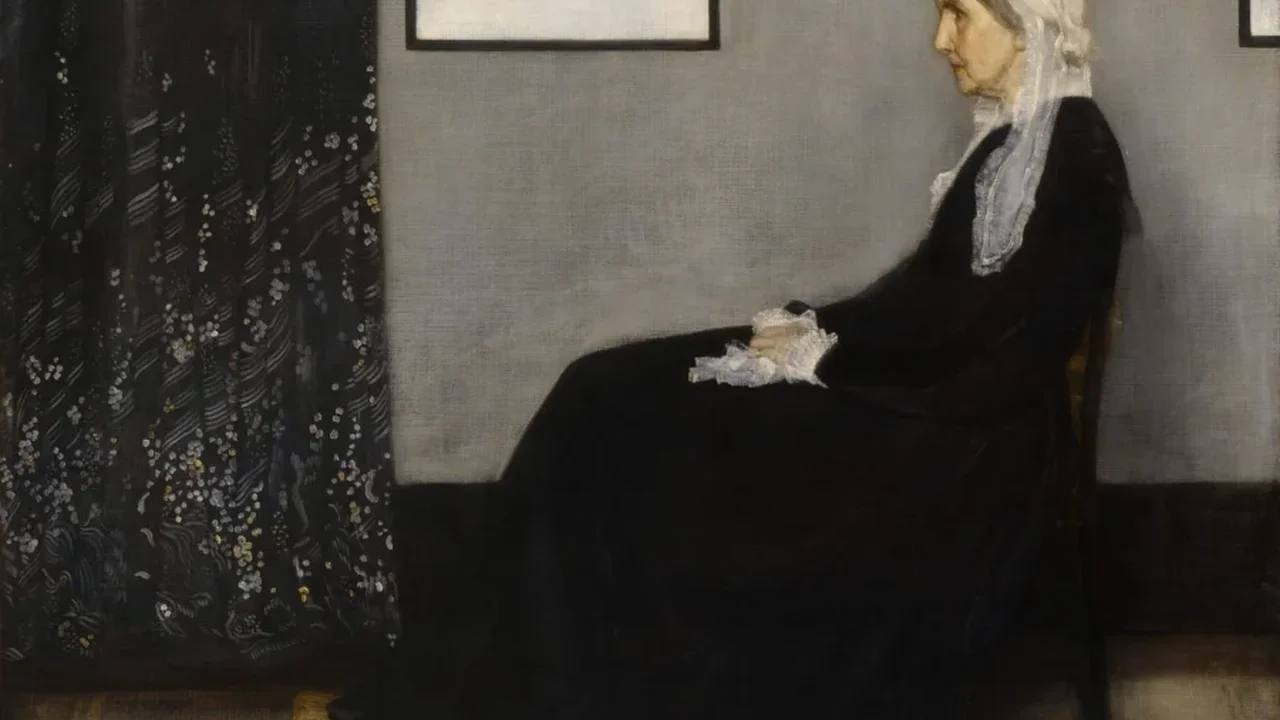
Whistler, born in Massachusetts in 1834 and shaped by time in St. Petersburg, Paris, and London, built a style that treated painting almost like music. Instead of crowded scenes or bold storytelling, he pursued tonal balance and delicate surface effects. Titles such as Nocturne and Arrangement in Grey and Black No. 1 reflect that philosophy, turning color and composition into a kind of visual score.
The exhibition also emphasizes technique. Curators Carol Jacobi, Isobel Muir, and James Finch guide visitors through Whistler's process with close attention to brushwork, palette, and studio practice. By showing how he layered, softened, and sometimes removed paint, the display reveals the precision behind his seemingly effortless surfaces. His method of using a loaded brush to create a subtle ridge at the edge of a stroke is one of the details that helps define his singular hand.
One of the exhibition's key strengths is its focus on what reproduction cannot fully capture: the quiet depth of Whistler's color and the fine shifts in texture that give his paintings their atmosphere. Works such as The Thames at Battersea and his Nocturnes show how minimal means can produce a powerful sense of mood and space.
By reframing Whistler as a master of restraint and visual rhythm, Tate Britain places his work in a new light for contemporary audiences. The exhibition suggests that subtlety, when handled with precision, can remain one of art's most enduring languages -- and a model for how future viewers may continue to read painting through tone, balance, and feeling.