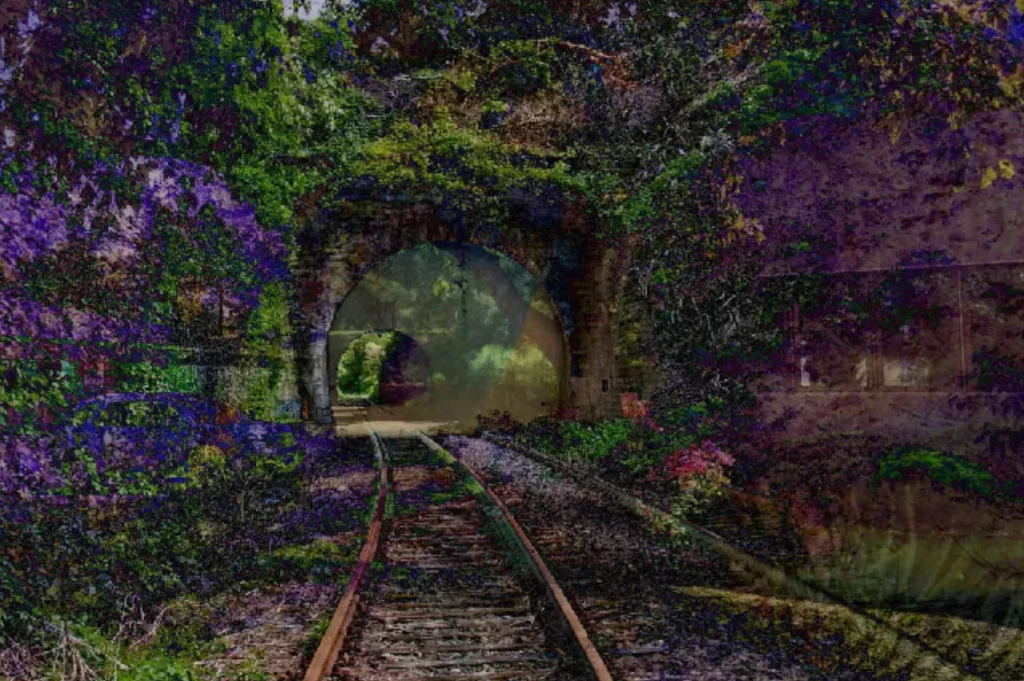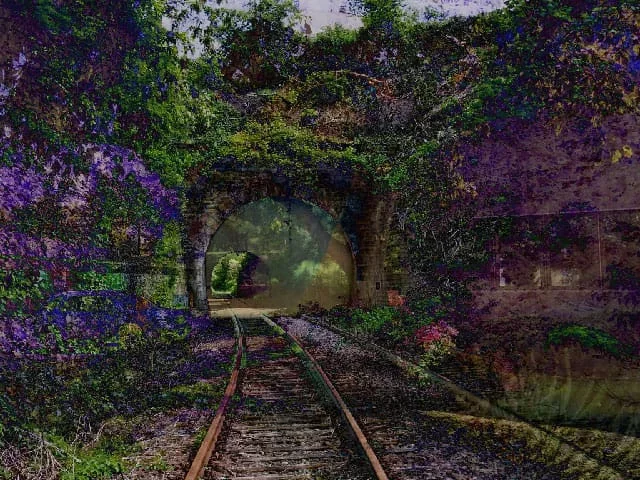
In a significant legal development, computer scientist Stephen Thaler faced another setback when the United States Supreme Court opted not to review his appeal regarding copyright protections for his AI-generated artwork. This case has been a long-standing issue for Thaler, who has sought to copyright an image created by his AI system, known as the "Creativity Machine," since 2018.
The controversy began in 2019 when the US Copyright Office ruled that Thaler's artwork, titled "A Recent Entrance to Paradise," was ineligible for copyright due to its lack of human authorship, a fundamental requirement established by the agency. Following this decision, Thaler's attempts to overturn the ruling through appeals in 2020 and 2022 were unsuccessful, leading him to file a lawsuit against Shira Perlmutter, the register of copyrights.
In 2023, a District Court judge reiterated that human authorship is essential for copyright eligibility. Thaler then escalated the matter to the Court of Appeals, which upheld the Copyright Office's stance. Despite multiple motions to extend the time for filing a petition, Thaler's efforts to challenge the ruling were ultimately rejected by the Supreme Court.
Support for Thaler's petition came from various academics and researchers who argued that excluding AI-generated works from copyright protection could undermine the very foundations of creativity and innovation in the United States.
Interestingly, the US Copyright Office released a policy statement in 2023 indicating that some AI-generated artworks could potentially qualify for copyright protections, depending on whether the AI's contributions were the result of mere mechanical reproduction or stemmed from an author's original mental conception.
Despite the Supreme Court's refusal to hear the case, Thaler remains optimistic, viewing the court's decision as a philosophical milestone rather than a defeat. He emphasized that the law is struggling to keep pace with technological advancements, highlighting the need for a reevaluation of what constitutes authorship in the context of AI.
As the dialogue surrounding AI and copyright continues, Thaler's case raises important questions about the intersection of technology and intellectual property rights, setting the stage for future discussions in this evolving landscape.