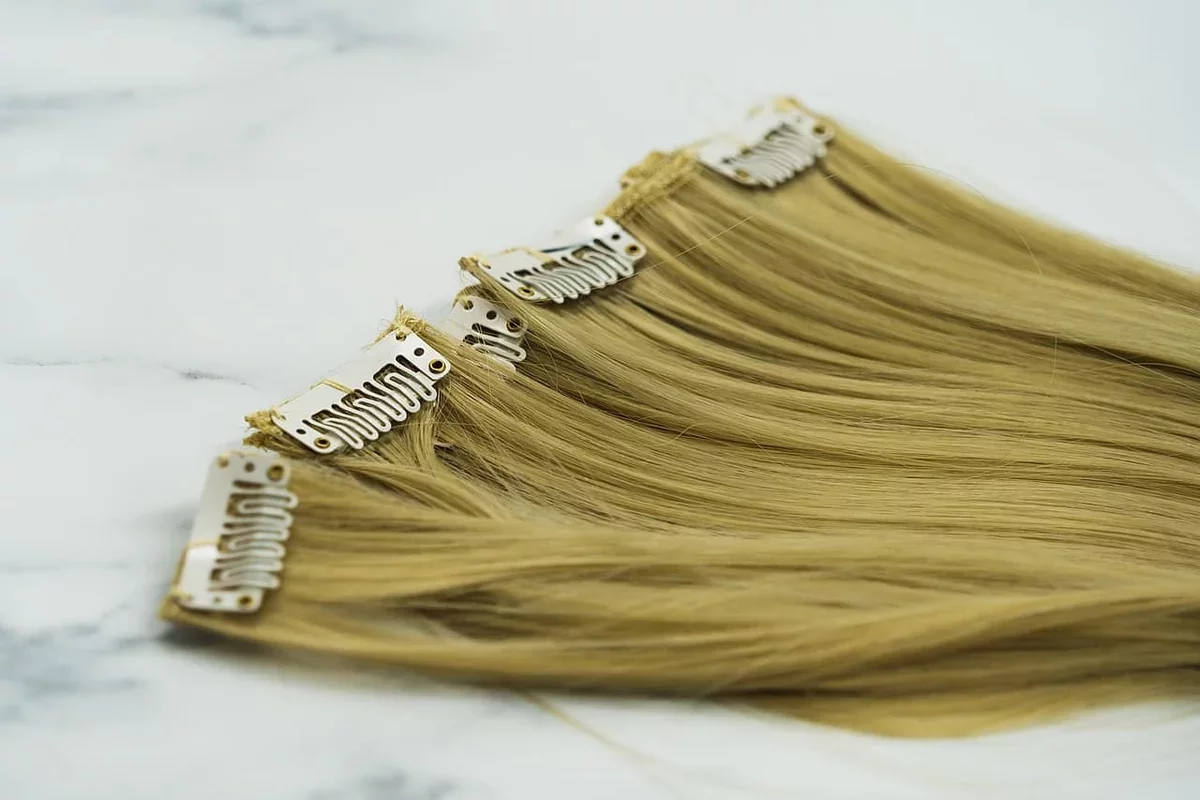
Hair extensions are a popular choice in beauty supply stores, offering a quick transformation for a modest price. However, recent scientific investigations have uncovered a concerning presence of industrial chemicals associated with cancer, hormonal disruptions, and reproductive issues.
A comprehensive study published in Environment & Health examined 43 different hair extension products, including synthetic, human hair, and plant-based options. The findings revealed that nearly all samples contained at least one hazardous chemical.
A Widespread Concern
Hair extensions are widely used, particularly among certain demographics. For instance, over 70% of Black women in the United States utilize hair extensions annually, often wearing them for extended periods. Unlike rinse-off cosmetics, these products remain in close contact with the scalp, raising concerns about chemical absorption through the skin.
The research employed a broad screening method to assess the chemical composition of the hair extensions. This non-targeted approach detected 933 distinct chemical signatures, with 48 identified as hazardous according to major safety registries. Alarmingly, 91% of the tested products contained at least one substance classified as a carcinogen or reproductive toxin under California's Proposition 65.
Unexpected Findings
The extent of contamination surprised the researchers. For example, Kanekalon, a common synthetic fiber, was found to contain chlorine in significant amounts. Additionally, in around 10% of the samples, particularly those lacking fiber type disclosure, tin levels exceeded 0.4% by weight, prompting concerns about the safety of these products.
Organotin compounds, used in various industrial applications, were detected in nearly 10% of the samples. These findings raise questions about the safety of products that do not disclose their fiber type, which often bore the highest levels of hazardous chemicals.
Towards Safer Choices
While the study does not definitively establish that these chemicals enter the bloodstream at harmful levels, it highlights a potential link between external products and internal health issues, particularly among Black women who may experience higher rates of estrogen-responsive conditions.
Previous studies have also identified heavy metals and volatile organic compounds in synthetic hair products, underscoring a growing concern about chemical safety in beauty supplies.
Efforts to mitigate these risks, such as using vinegar rinses, have proven ineffective in reducing hazardous chemical levels. The authors advocate for greater transparency in product labeling and stricter regulations to ensure consumer safety, emphasizing that meaningful change requires collective action rather than individual choices.