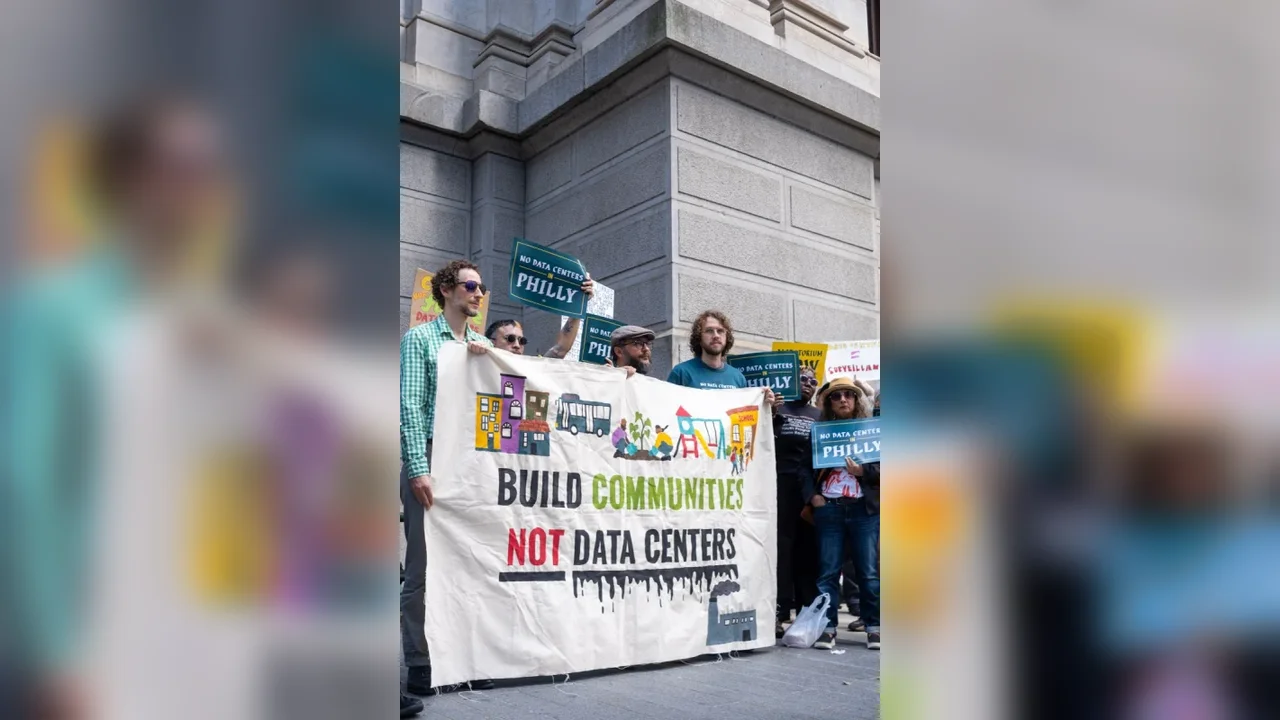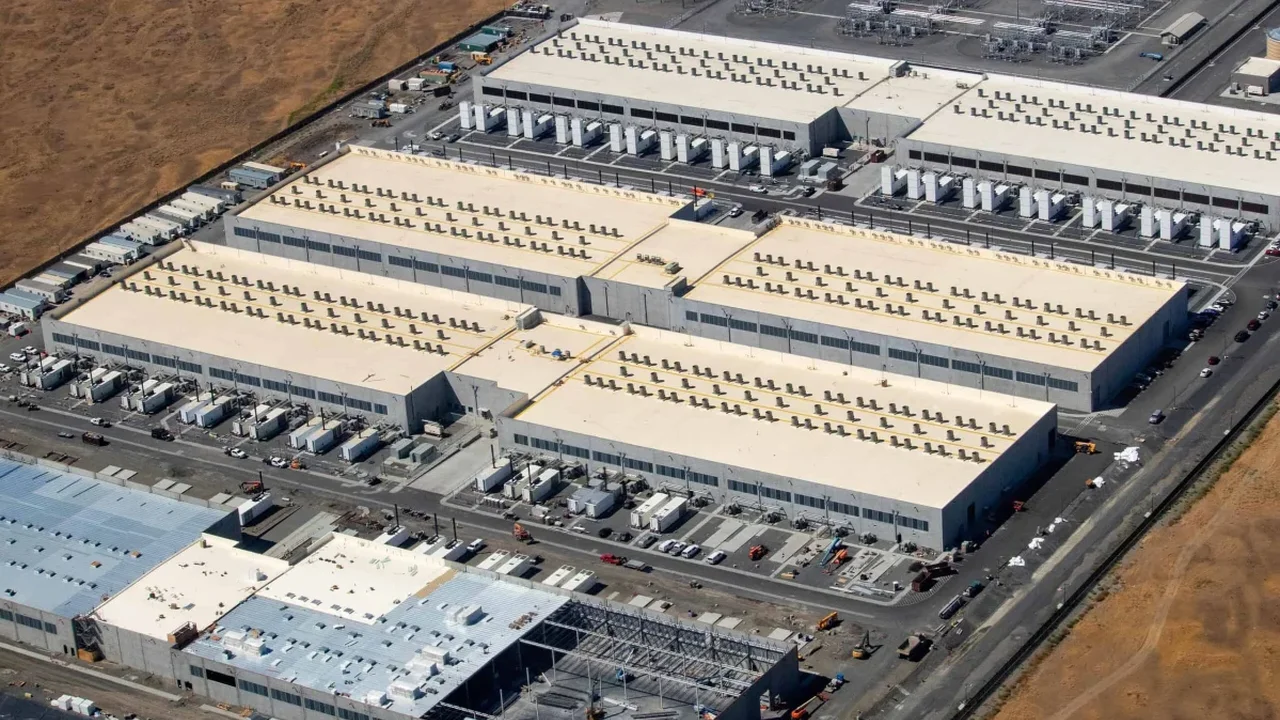
A nationwide analysis of more than 5,000 U.S. data centers found that facilities are more likely to be located in neighborhoods where Black, Latino or Asian residents make up the majority.
Researchers from George Washington University Law School and American University mapped 5,291 existing and proposed facilities against more than 81,000 census tracts, using the tracts as neighborhood-level units. They found that majority-Black neighborhoods had 2.2 times the odds of hosting a data center as comparable majority-white neighborhoods in the same state. The odds were 2.6 times higher in majority-Latino areas and 4.2 times higher in majority-Asian areas.
Across neighborhoods with data centers, residents of color represented about 44% of the population, compared with 38% in similar areas without facilities. The differences remained after the researchers accounted for factors including income, education, population density, property values and proximity to major electrical infrastructure.
Infrastructure and location patterns
Data centers require substantial electricity, reliable grid connections, telecommunications access and suitable land. The researchers note that historical land-use and infrastructure decisions may also shape where new facilities are built. However, their study is observational and identifies associations rather than proving that race causes a facility's location.
The findings point to the value of transparent planning, community participation and careful assessment of potential local impacts as demand for computing infrastructure grows. How these decisions are made could help determine whether the next generation of digital infrastructure serves communities equitably.