A new study suggests that Aboriginal artists in northern Australia responded to European colonization with monumental rock art depicting powerful ancestral beings. The research, led by archaeologist Paul Taçon of Griffith University and published in Australian Archaeology, examined the meaning of large-scale images at Awunbarna in Arnhem Land.
Awunbarna, also known as Mount Borradaile, is home to rock paintings spanning thousands of years. The study highlights a shift during the 1800s and early 1900s, when artists began creating more oversized figures alongside traditional animal motifs. These works also introduced new elements such as painted hands, European ships, and firearms.
Working with senior Amurdak traditional owner Charlie Mungulda, the team recorded rock art across 165 sites. Their findings point to a deliberate artistic response: by enlarging depictions of humans, animals, and ancestral entities such as the Rainbow Serpent, communities were reinforcing identity, memory, and connection to land during a period of cultural change.
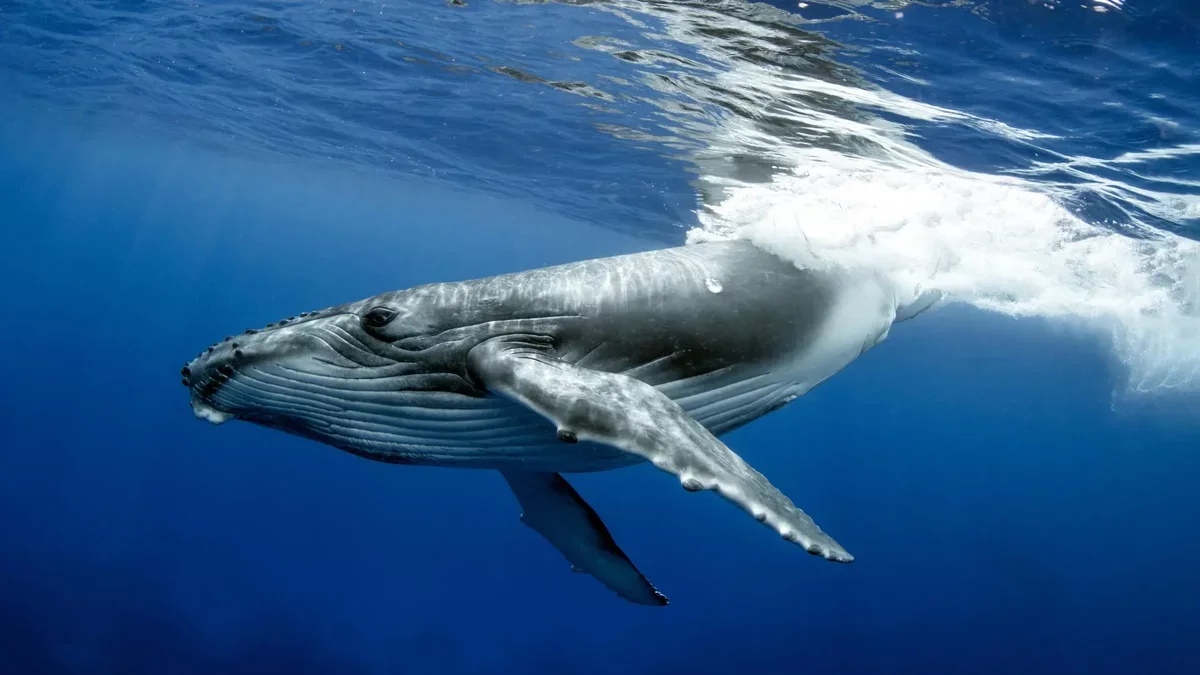
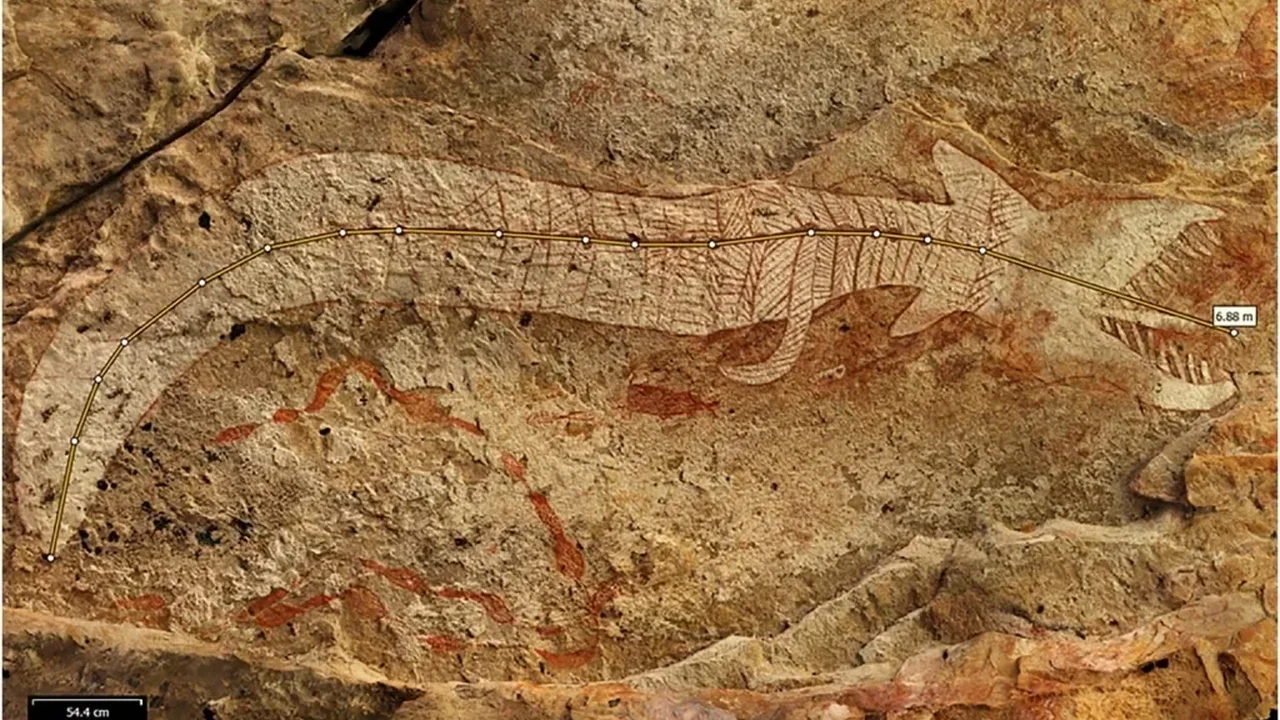
Among the most striking examples were a 20-foot Rainbow Serpent with a crocodile-like head, a giant human figure, and a rare whale image. Researchers also documented a 125-foot serpent-shaped stone arrangement, adding to the site's cultural depth.
The study shows how art can serve as a living record of resilience, adapting to change while preserving tradition. It also offers a powerful lens on how Indigenous creativity can shape the future of cultural heritage.