New research is reshaping the story of Stonehenge's Altar Stone, suggesting the massive sandstone slab may have started its long journey in northeastern Scotland before reaching Salisbury Plain.
A Stone with a Northern Origin
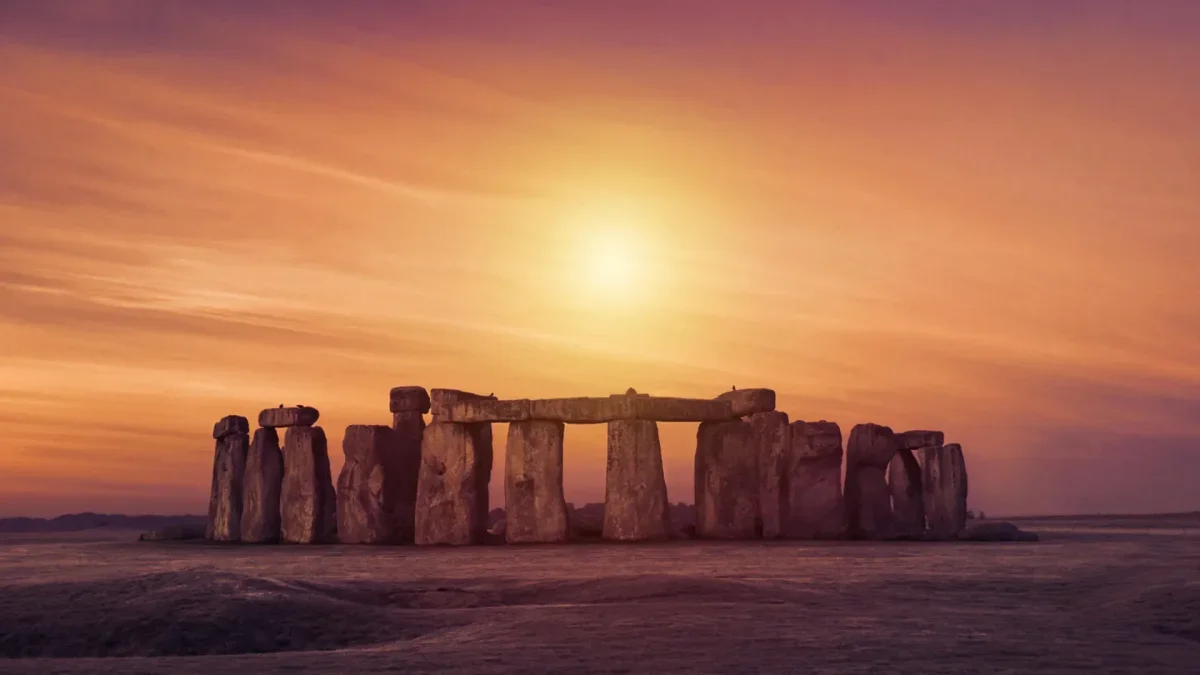
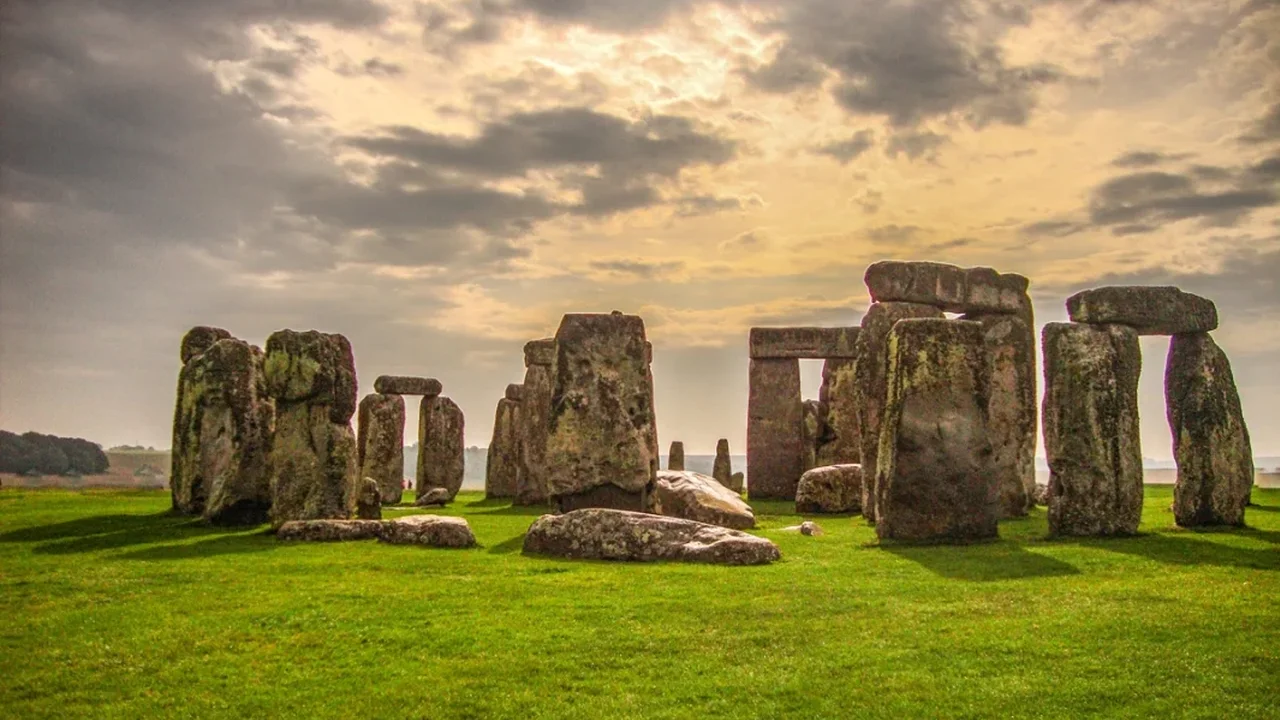
The Altar Stone sits near the center of Stonehenge and stands apart from the monument's other stones because of its distant geological roots. Scientists have linked it to the Orcadian Basin, with the strongest match pointing toward rock exposures in Caithness, especially the Sarclet area.
To reach that conclusion, researchers compared zircon crystals inside the stone with samples from Scottish sandstone formations. Zircon is especially useful in geology because its isotopes preserve a time-stamped record of ancient rock formation.
Ice May Have Moved It Part of the Way
The team also modeled the movement of the British-Irish Ice Sheet during the last Ice Age. Their simulations suggest glaciers could have carried a boulder from northern Scotland toward Dogger Bank, a now-submerged area in the North Sea. But the ice would not have delivered the stone all the way to Stonehenge.
That means people still had to complete the final, demanding stage of transport over hundreds of kilometers. The stone may even have been moved more than once, possibly preserved after the landscape around Dogger Bank was later overtaken by rising seas.
A Blend of Nature and Human Skill
The study does not prove the exact route, but it strengthens the idea that the Altar Stone's story combined natural forces with human ambition. The monument's builders may have recognized a remarkable stone, safeguarded it, and carried it toward one of the world's most enduring ceremonial landscapes.
Published in the Journal of Quaternary Science, the findings add a new layer to Stonehenge's deep history and show how geology can illuminate human creativity across millennia. Future research may further reveal how ancient landscapes and early engineering shaped iconic monuments.