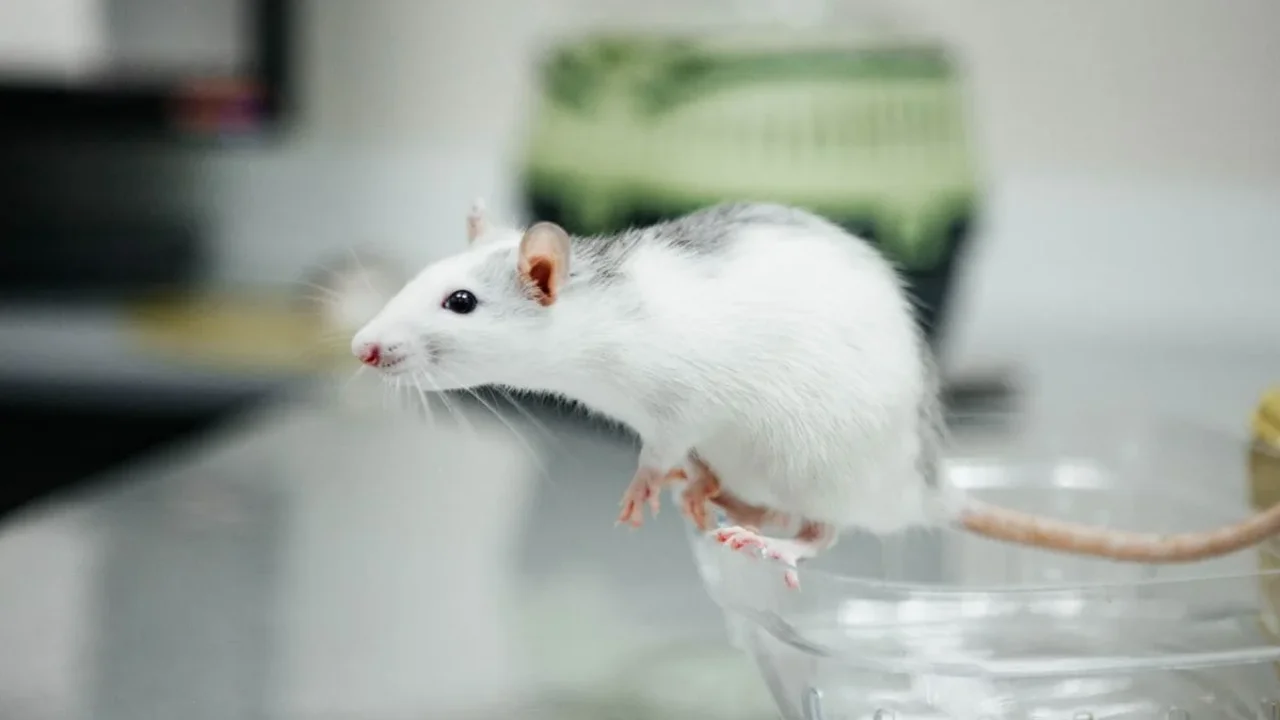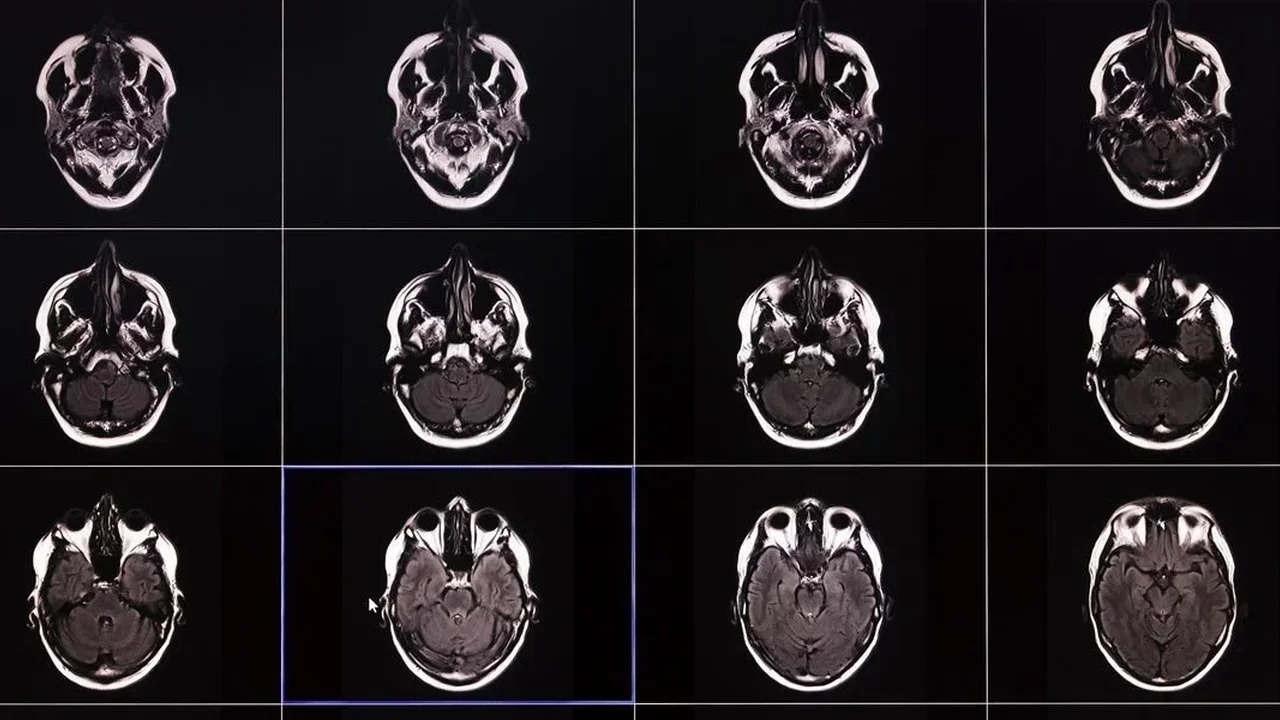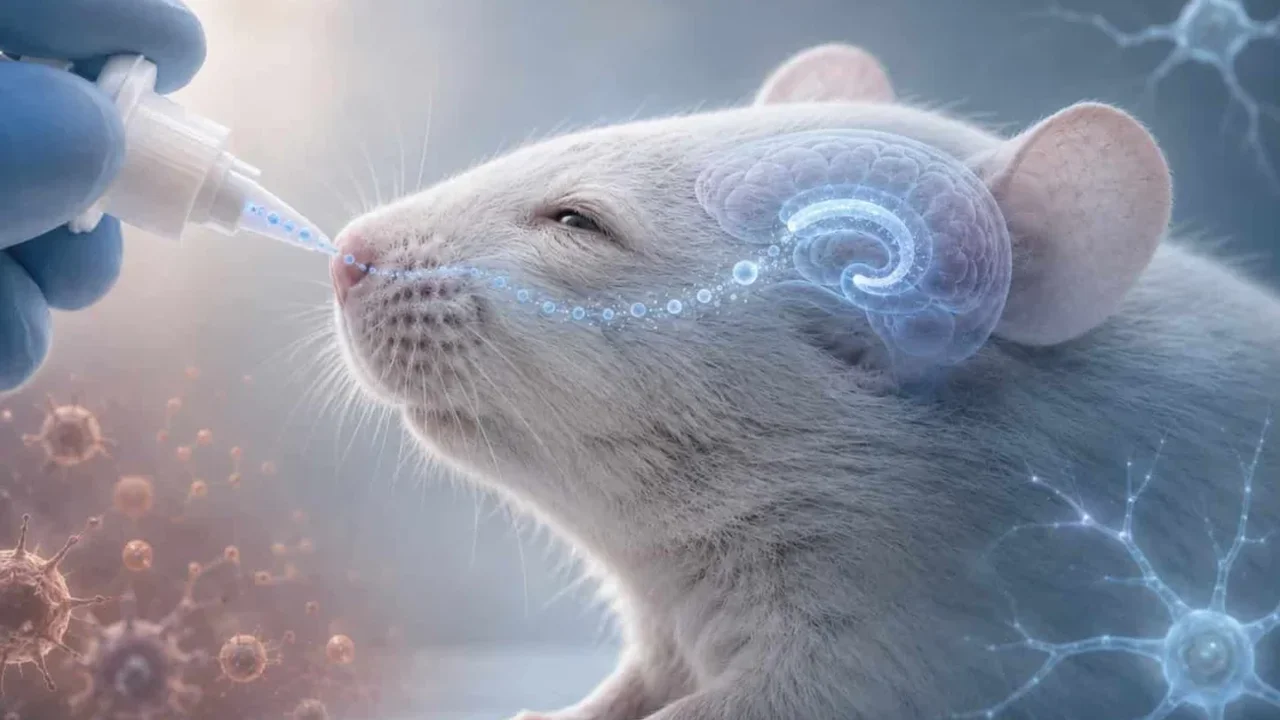
Researchers have tested an experimental nasal spray built from microscopic particles released by human neural stem cells, and the early results in aged mice are encouraging. The approach was designed to deliver extracellular vesicles through the nose so they could reach the brain without surgery or implanted cells.
A non-invasive route to the brain
The study, led by scientists at Texas A&M University, used vesicles derived from human induced pluripotent stem cells that were guided into neural stem cells. These tiny packets carry proteins, RNA molecules and other biological signals that can influence how cells behave.
After two intranasal doses given two weeks apart, the mice showed lower inflammation in the hippocampus, a region closely tied to memory. The treatment also appeared to calm microglia, the brain's immune cells, while improving signs of oxidative balance and mitochondrial function.
Memory performance improved
The mice were then evaluated in recognition and spatial memory tasks. Treated animals spent more time exploring new or relocated objects, suggesting stronger memory performance than untreated peers. According to the researchers, the vesicles may help the brain activate its own repair pathways and create a healthier internal environment.
Although the findings are still limited to animal research, the concept is notable: instead of transplanting cells, future therapies may deliver their most useful signals in a simpler form. If this strategy proves safe and effective in people, it could open a new direction for supporting healthy brain aging and cognitive resilience. The broader impact may shape a future where brain care becomes more precise, less invasive, and more accessible.