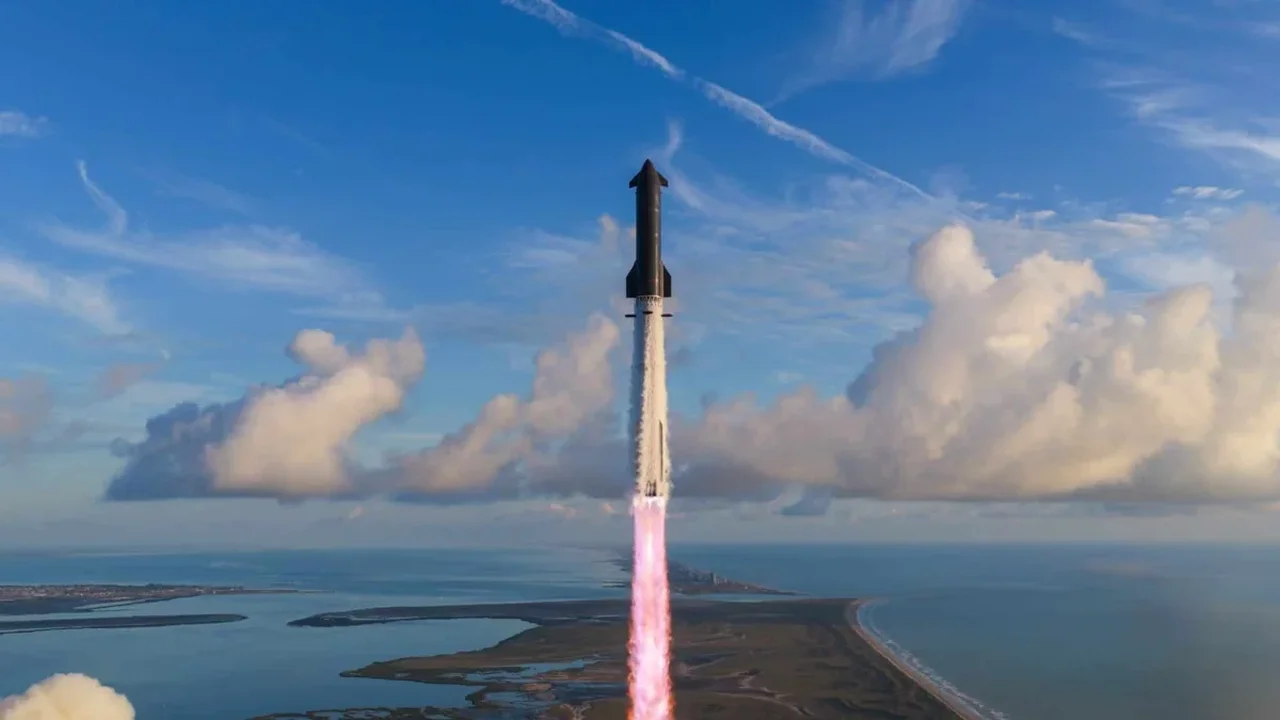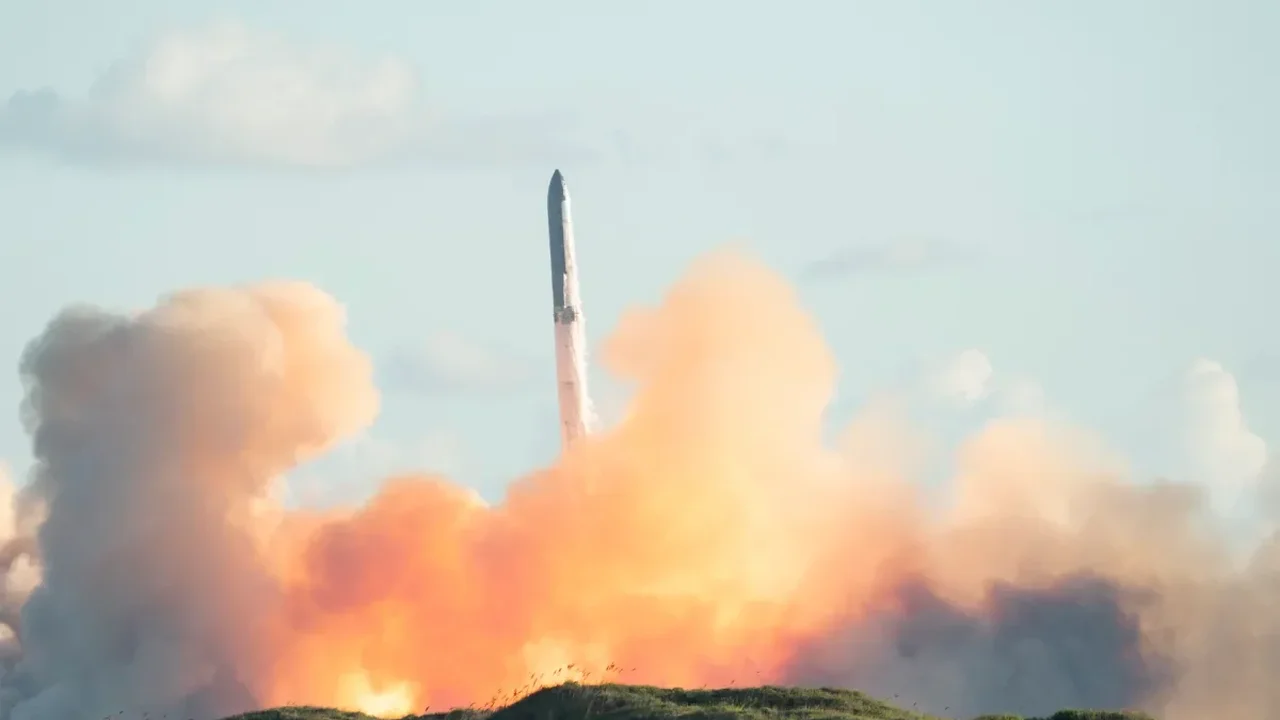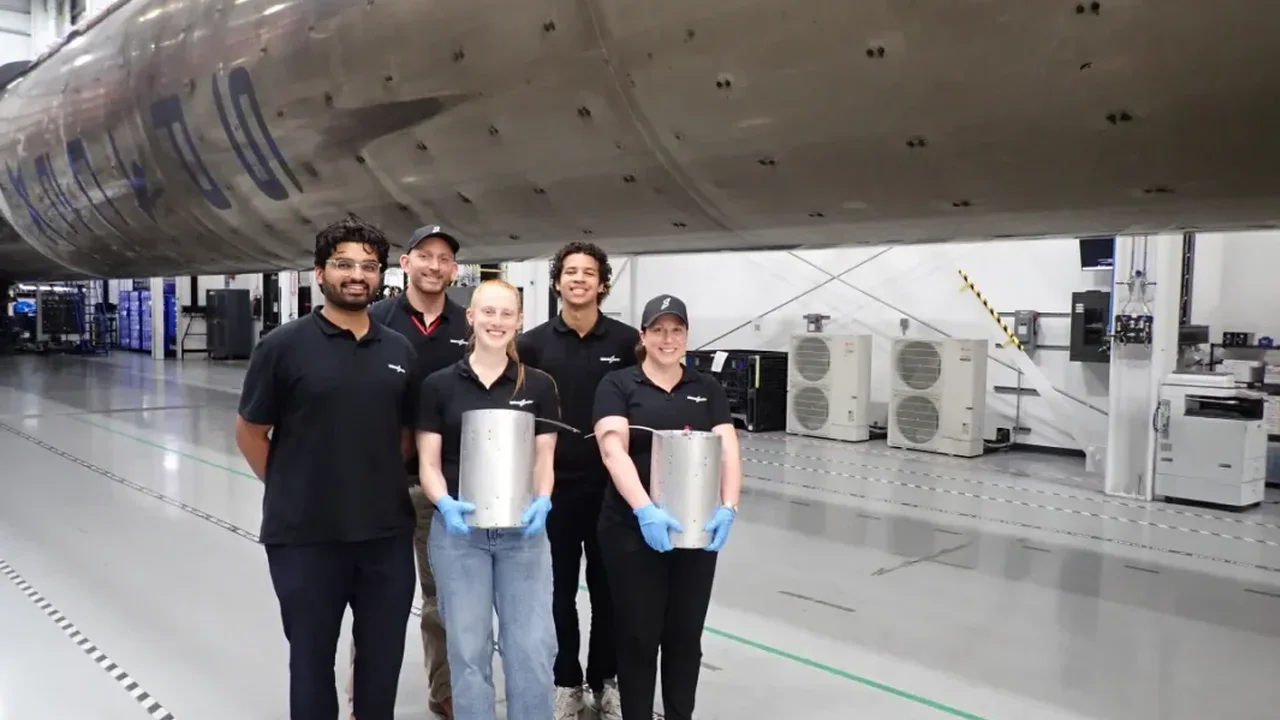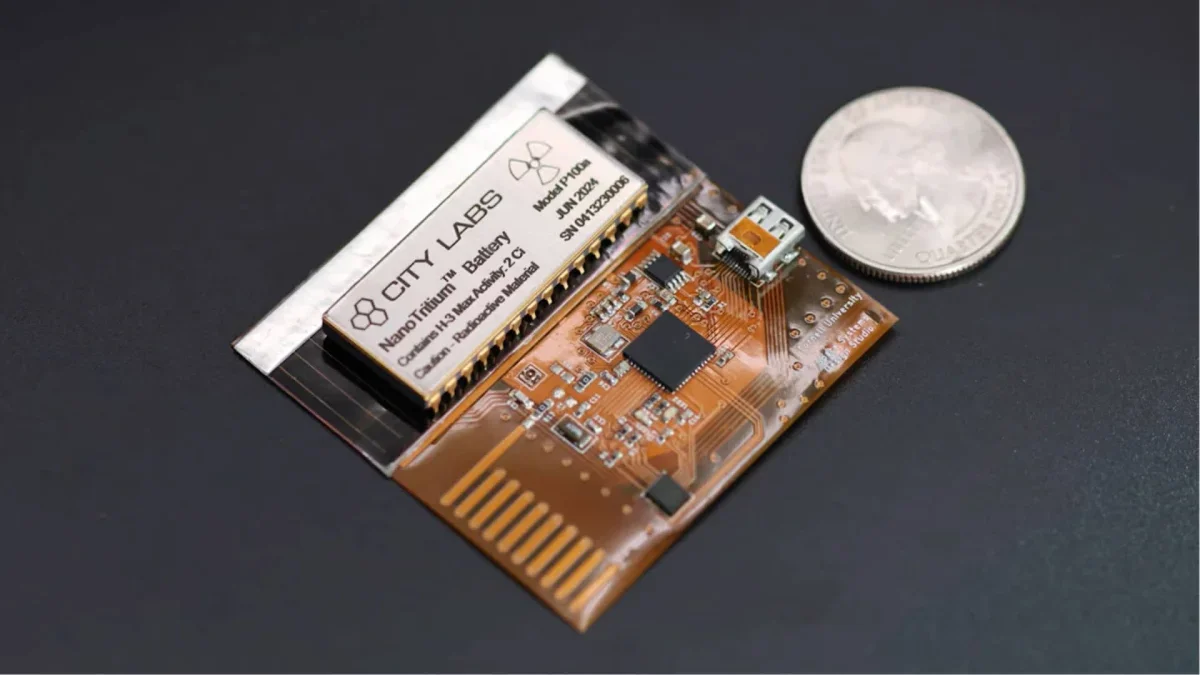
SpaceX has sent a compact satellite called BOHR into orbit, opening a new chapter in how small spacecraft may be powered in the future. The CubeSat flew aboard the Transporter-17 rideshare mission from Vandenberg Space Force Base in California, carrying a tritium-based power payload developed by Miami company City Labs.
The mission is notable because City Labs says it has placed the first commercial nuclear-powered payload in space. The goal is not to replace solar power, but to test whether a privately built micropower source can survive launch, operate reliably in orbit, and move through the approval process for space nuclear systems.
A compact power source for deep-space conditions
BOHR stands for Betavoltaic Orbital High-Reliability satellite. Inside it is City Labs' NanoTritium technology, which uses the natural decay of tritium, a radioactive form of hydrogen, to generate a small but steady flow of electricity through a semiconductor. Unlike large nuclear systems, this approach is designed for very low-power uses such as sensors, heaters, and compact electronics.
That makes it different from the radioisotope systems used by NASA on missions such as Voyager, New Horizons, Curiosity, and Perseverance. Those spacecraft rely on plutonium-based generators, while BOHR is testing a much smaller commercial model that could support future missions where sunlight is limited or unavailable.
City Labs says the device is built for safe handling under commercial conditions, and the satellite itself will still use solar power for most of its operations. The tritium payload serves as a proof of concept, with results expected within weeks or months even though the device could remain in orbit for years.
Why this launch matters
The launch also reflects a broader shift in space technology. NASA and the U.S. Department of Energy have been advancing nuclear options for lunar and planetary missions, including concepts for long-duration surface reactors. In that context, compact betavoltaic systems could become useful for missions in permanently shadowed lunar regions or during the long lunar night.
According to City Labs, the mission shows that compact, regulated nuclear power can move beyond government-led programs and into the commercial space sector. If the technology performs as expected, it could help future spacecraft, surface instruments, and autonomous systems operate in places where conventional batteries fall short. The result may shape a more resilient energy toolkit for the next era of exploration.