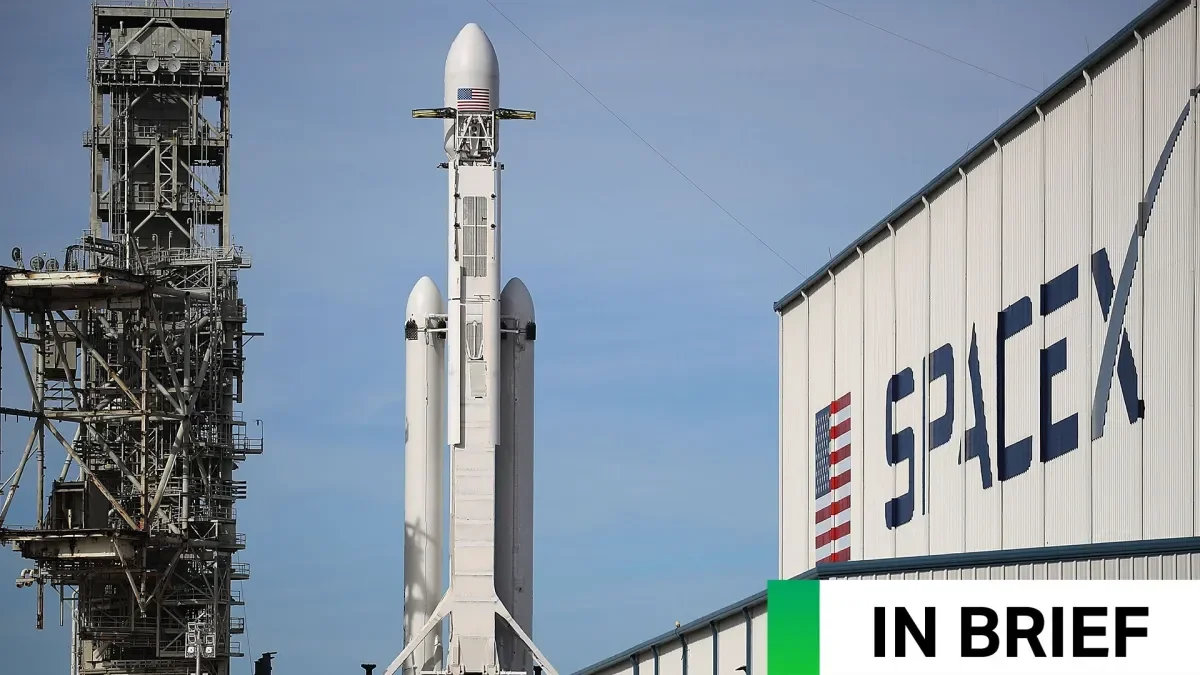
As SpaceX prepares for its highly anticipated public offering this Friday, investors who participated through special purpose vehicles (SPVs) remain uncertain about their actual share allocations. This unique situation arises from the complex nature of SPV investments, where multiple investors pool resources to acquire stakes in a single company.
SpaceX's IPO introduces an unprecedented scenario in the investment landscape, characterized by multiple layers of SPVs. The soaring demand for SpaceX shares has led to instances where investors create new SPVs from their existing shares, resulting in structures that can be four or five layers deep.
This IPO marks a significant test for the viability of multi-layer SPVs. Recently, companies like Anthropic and Anduril have opted to prohibit such structures, raising questions about their reliability.
According to insights shared with TechCrunch by several SPV managers and secondary market investors, those involved in lower-tier SPVs may discover that their share ownership is less than anticipated or, in some rare instances, that they might not receive any shares at all. The true extent of their holdings will only become clear as the company's lock-up periods begin to lift over the next four months. These lock-up agreements are designed to prevent insiders from selling shares too quickly after the IPO, thereby stabilizing the stock price.
Justin Ernest, founder of Sabertooth Capital, noted that the first-layer SPV has a 30-day window to distribute shares to its investors. Consequently, those in subsequent layers may face even longer waits, with the bottom-tier SPV potentially waiting eight to nine months for their shares.
Some investors have expressed concerns about the transparency of communication within these layered structures. A secondary investor highlighted that the complexity of the ownership chain can lead to misunderstandings about share allocations, as each manager may only be aware of the layer directly above them.
The potential for confusion is compounded by the risk that investors at the lower tiers may not receive any shares from SpaceX, raising alarms about the integrity of some SPV sponsors.
In a related incident, Giovanni Pennetta, manager of Sestante Capital, has recently been sentenced to four years in prison for misleading investors regarding non-existent allocations in another tech firm, Anduril. This has sparked concerns that he may not be the only unscrupulous sponsor in the market.
Idan Miller, managing partner at Unicorns Exchange, believes that the expiration of lock-up periods will likely expose additional fraudulent activities among SPVs. He stated, "Once the lock-up is lifted and these SPVs begin selling shares, some will be revealed as scammers."
As the SpaceX IPO unfolds, the investment community will closely observe how these complex SPV structures perform and what implications they may have for future investment practices.