The Venice Biennale is renowned for showcasing the artistic expressions of nations for the first time, but this year, Somalia's inaugural pavilion has ignited controversy. As the event approaches, local artists have voiced concerns regarding the lack of consultation and representation from the Somali art community in the pavilion's organization.
The Somali Arts Foundation, based in Mogadishu, issued a statement highlighting the absence of Somali artists in the pavilion. While the featured artists--Ayan Farah, Asmaa Jama, and Warsan Shire--have connections to Somalia, they currently reside outside the country, with Farah in Stockholm, Jama in Bristol, and Shire in London.
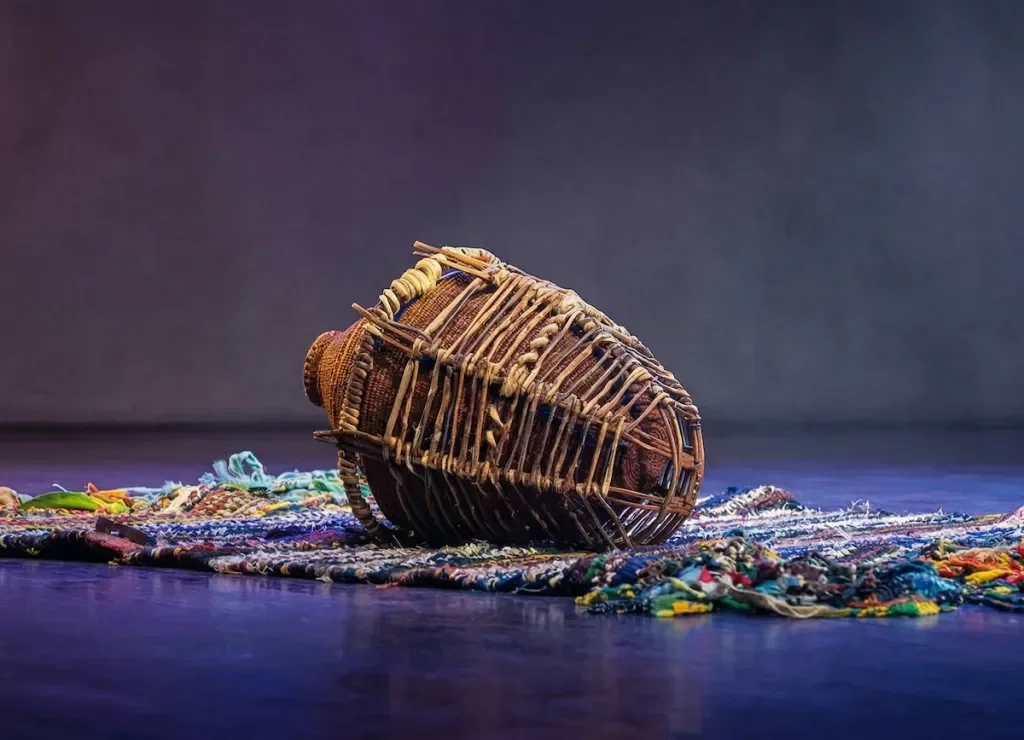
Titled "SADDEXLEEY," which references a traditional form of Somali poetry, the pavilion is curated by Mohamed Mire from the Fotografiska museum in Stockholm and Fabio Scrivanti, based in Venice, with Abdirahman Yusuf serving as the pavilion's commissioner. The Somali Arts Foundation criticized the pavilion as a "private opportunity" and raised questions about its funding, stating, "This pavilion does not speak for us."
The foundation emphasized the resilience of the Somali art sector, which has been revitalized through the dedication of local artists and cultural workers, often in challenging circumstances with minimal support. They expressed disappointment that those who have sustained the artistic community were not included in this significant opportunity for representation.
Among the artists voicing their dissent is Ladan Osman, a Somali-born poet and filmmaker based in New York. Osman declined an invitation to participate, citing the organizers' failure to engage meaningfully with Somali artists and their disregard for requests to prioritize local talent. She also referenced broader issues, including the Biennale's handling of politically sensitive topics.
The pavilion's organizers have yet to respond publicly to the criticism. However, the Somali government has expressed support for the pavilion, viewing it as a step forward for Somalia's representation on global platforms. Somali culture minister Daud Aweis remarked on the importance of this visibility during the pavilion's announcement.
This situation reflects ongoing discussions about representation and inclusion in international art events, particularly for nations with complex histories. As Somalia takes its place on the world stage, the dialogue surrounding its pavilion could pave the way for more inclusive practices in future exhibitions, ultimately enriching the global art narrative.