Art and culture are moving through a period of reinvention, with institutions, artists and researchers all testing new ways to connect history, access and public trust.
The Headlines
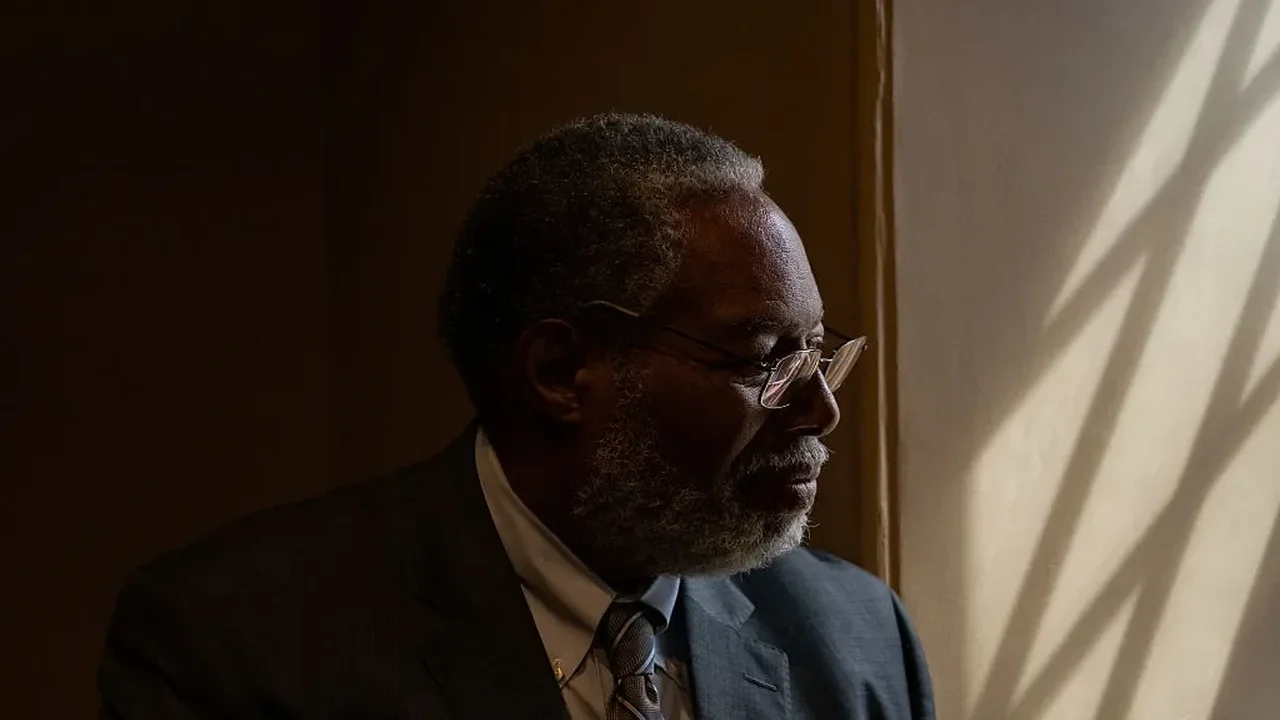
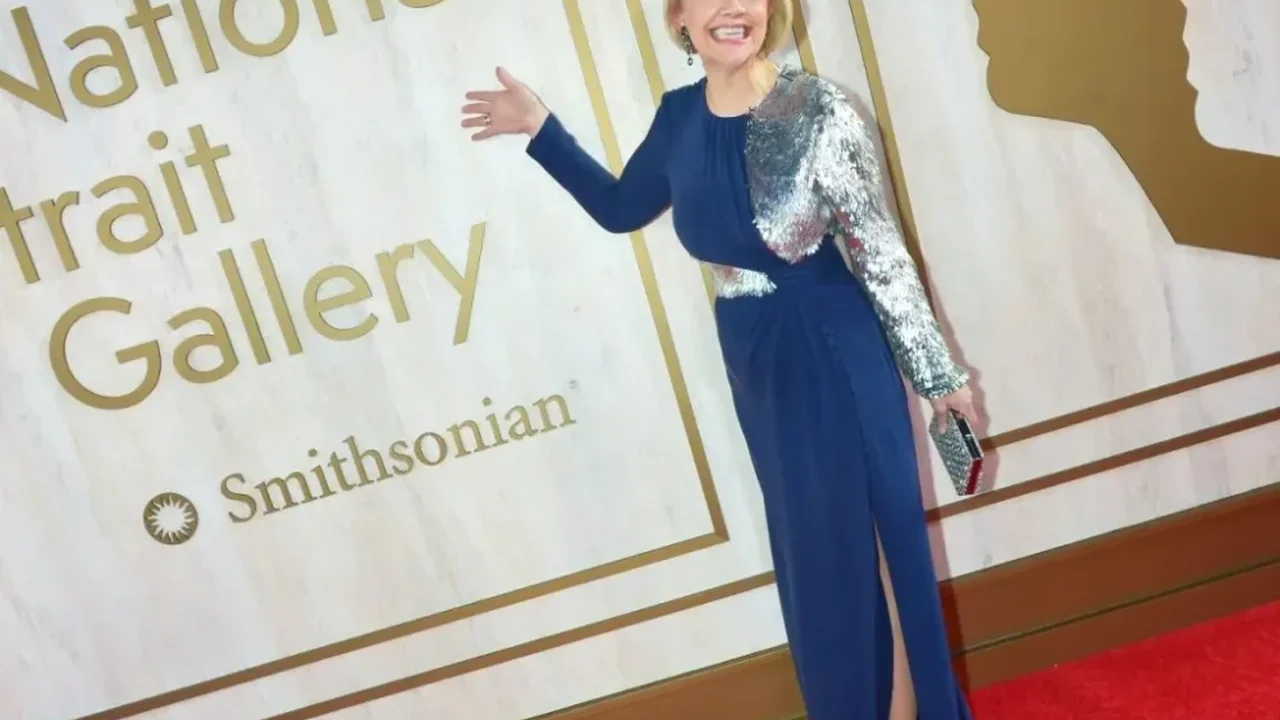
Kim Sajet, former director of the Smithsonian's National Portrait Gallery and now head of the Milwaukee Art Museum, recently reflected on the role of museums in shaping public understanding. In her remarks, she emphasized institutional independence, scholarly standards and the idea that museums should remain spaces where history is examined rather than directed by politics.
Her comments arrive as the Smithsonian continues to face intense scrutiny, making the broader question of how cultural institutions preserve context, research and interpretation more relevant than ever.
The Digest
In San Francisco, Nexus: SF/Bay Area Black Art Week is preparing for its third edition on September 30, bringing exhibitions and events that spotlight Black artists across the region. The program highlights how local cultural networks can expand visibility and community engagement.
Across the continent, the new Africa Cultural Initiative is aiming to build a more connected arts ecosystem, designed by African artists for African audiences. The project reflects a growing push for collaboration, shared infrastructure and long-term creative exchange.
In Rome, a young architectural restorer is drawing attention for tackling graffiti on historic walls with a sandblaster and a strong online following, blending preservation work with modern storytelling.
The Kicker
At Santa Clara University, researchers have developed an AI Provenance Assistant, a chatbot linked to a database of 40,000 Nazi-looted artworks. Built to support provenance research and repatriation efforts, the tool is designed to help scholars and legal teams move faster through complex historical records. The team says the system is still evolving and welcomes input from specialists.
From museum governance to digital research tools, these developments suggest a future where culture becomes more connected, more transparent and more accessible through innovation.