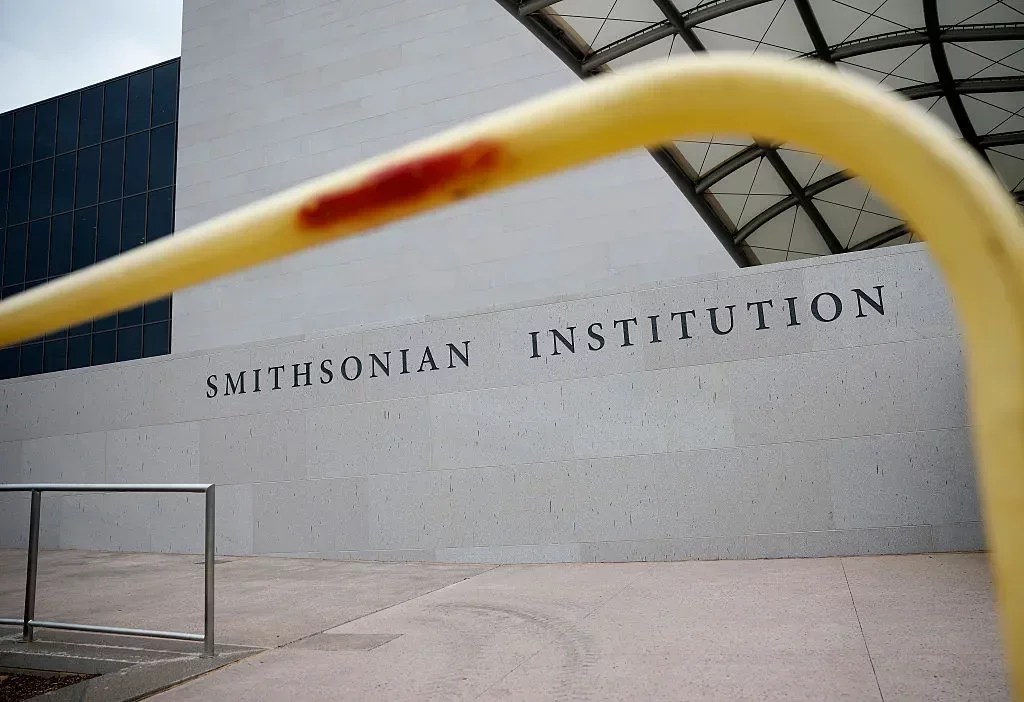
A dedicated group of historians and volunteers has embarked on a mission to document wall labels across the Smithsonian Institution. This initiative arises as the Trump administration seeks to revise how American history is presented in federal museums.
Operating under the banner of Citizen Historians for the Smithsonian, the project was initiated following calls from administration officials for content reviews at multiple museums. They advocated for the removal of what they termed "divisive narratives." With its 21 museums and the National Zoo, the Smithsonian has become a central player in discussions surrounding historical interpretation.
The initiative was co-founded by Georgetown University historian James Millward and US history professor Chandra Manning. Over a span of seven weeks during late summer and early fall, they successfully recruited hundreds of volunteers to photograph and archive publicly accessible wall text throughout the Smithsonian network, amassing over 50,000 images.
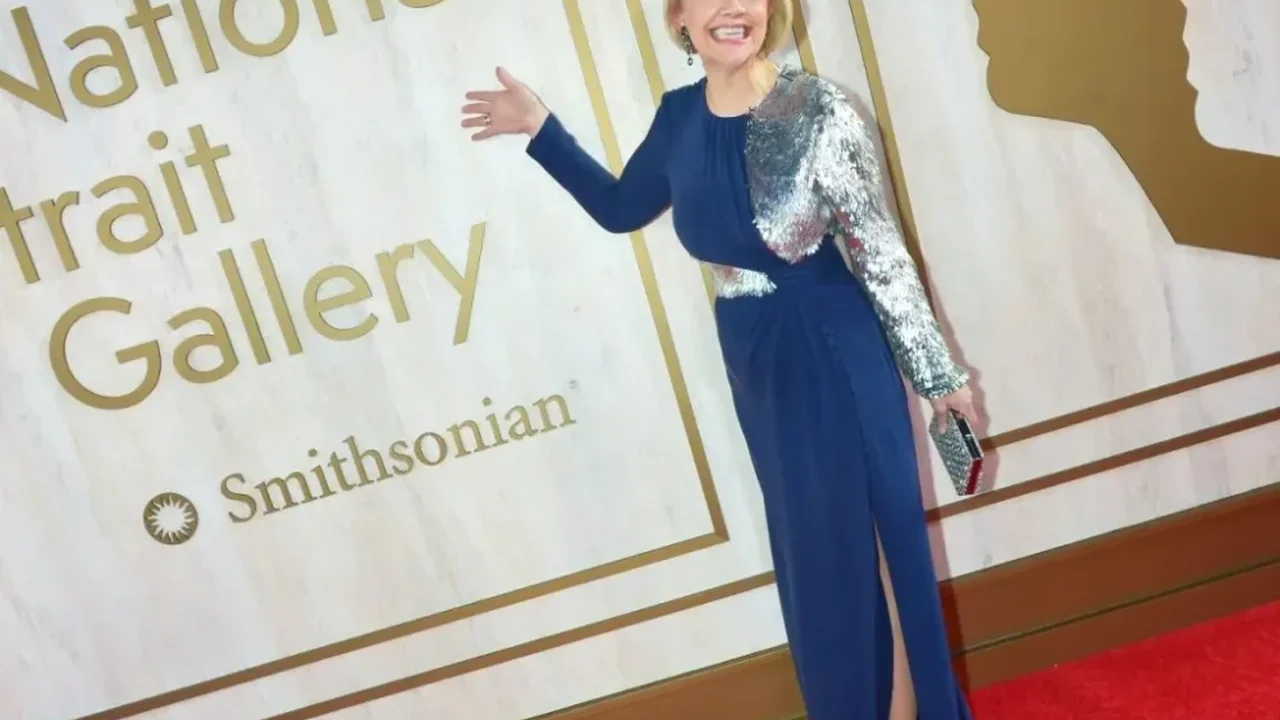
This documentation effort gained prominence after the National Portrait Gallery altered the wall text accompanying President Donald Trump's portrait. The previous label noted that Trump had been "impeached twice, on charges of abuse of power and incitement of insurrection." The revised version, however, was significantly shorter and omitted this context.
Millward visited the National Portrait Gallery, distributing printouts of the earlier label to guests, a move he described as "guerrilla teaching." Security personnel intervened, stating he could not distribute literature within the museum. The gallery was briefly cleared before resuming operations, with a spokesperson asserting that museum officials were adhering to established protocols.
In response to directives from the Trump administration aimed at removing what it considers "improper ideology" from cultural institutions, several grassroots initiatives have emerged. Projects like Save Our Signs and the History, Archives, and Records Preservation Project are actively tracking modifications to public historical content.
Supporters of the documentation campaign believe that maintaining records of wall text and signage is crucial in protecting against potential censorship. The incident at the National Portrait Gallery underscores how museum labels, often overlooked by visitors, have become integral to the broader national dialogue on the presentation of American history.