In an innovative response to dwindling water supplies, residents of small American towns are showing readiness to invest in water recycling systems. A recent study published in Water Resources Research reveals that people in communities with fewer than 10,000 inhabitants are willing to pay an average of $49 monthly to support these initiatives, reflecting a growing awareness of the necessity for sustainable water sources.
This shift marks a significant change for rural America, traditionally overshadowed by larger cities like Los Angeles, which have long embraced water recycling to alleviate supply pressures. As climate variability intensifies, these smaller communities are recognizing the importance of adapting to secure their water future.
Understanding Water Recycling Technology
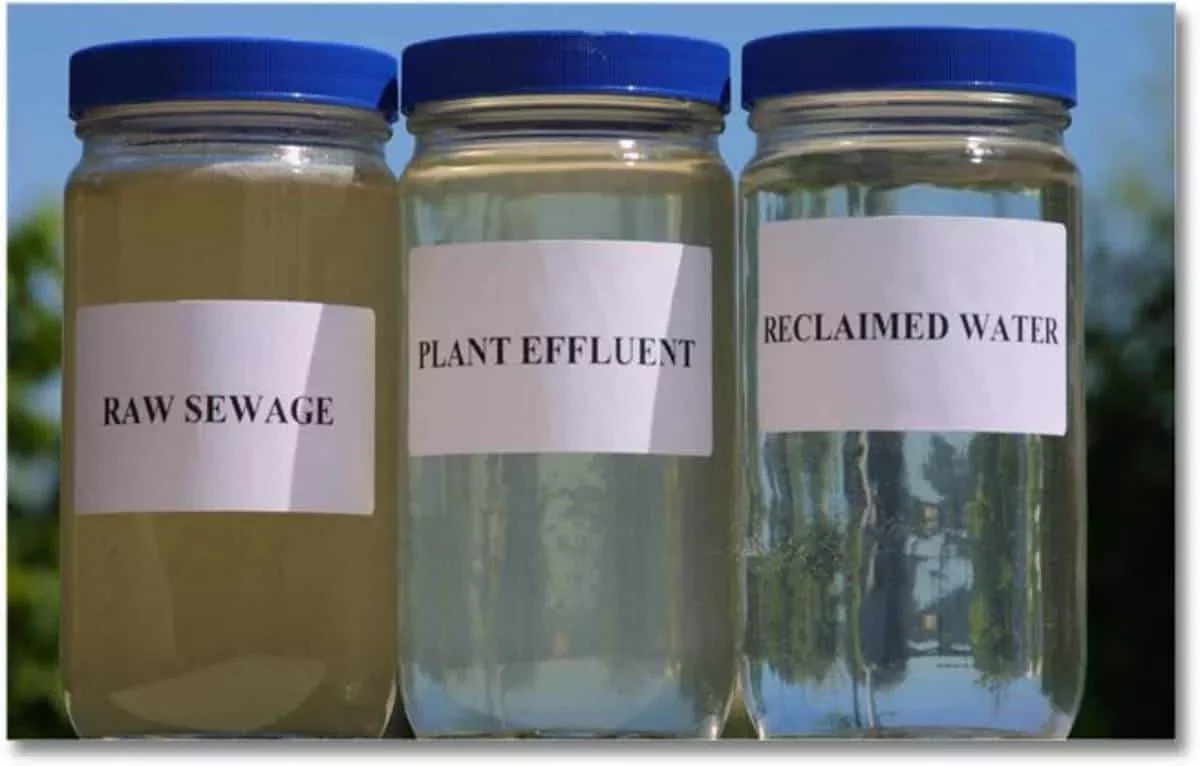
The process of converting wastewater into potable water involves sophisticated technology. It begins with physical filtration, followed by reverse osmosis, which uses finely woven membranes to eliminate microscopic contaminants. A final ultraviolet treatment ensures that any remaining microbes are eradicated.
However, the ultra-pure water produced requires remineralization to prevent it from leaching harmful metals from plumbing systems and to enhance its taste. Despite the proven efficacy of this technology, the initial financial investment remains a significant barrier. Economist Todd Guilfoos from the University of Rhode Island notes that while the $49 monthly fee could sustain operations, it does not encompass the costs of establishing the necessary infrastructure, which will likely require state or federal funding.
A Sustainable Solution for Climate Challenges
The urgency for water recycling is underscored by the realities of groundwater depletion, particularly in agricultural areas like California's San Joaquin Valley, where excessive water extraction has led to land subsidence. By implementing water reuse strategies, communities can effectively "smooth out the water cycle," according to Tom Corringham, a research economist at the Scripps Institution of Oceanography. This approach allows for more water to remain in aquifers and reservoirs, a crucial step in regions facing severe drought.
In states like Nevada and Arizona, where water recycling practices are already well-established, residents demonstrate a greater willingness to pay--averaging $60 per month--indicating that familiarity with the technology reduces apprehension. As communities increasingly recognize the practicality and necessity of water reuse, the choice becomes clear: invest in sustainable practices or risk facing severe water shortages in the future.