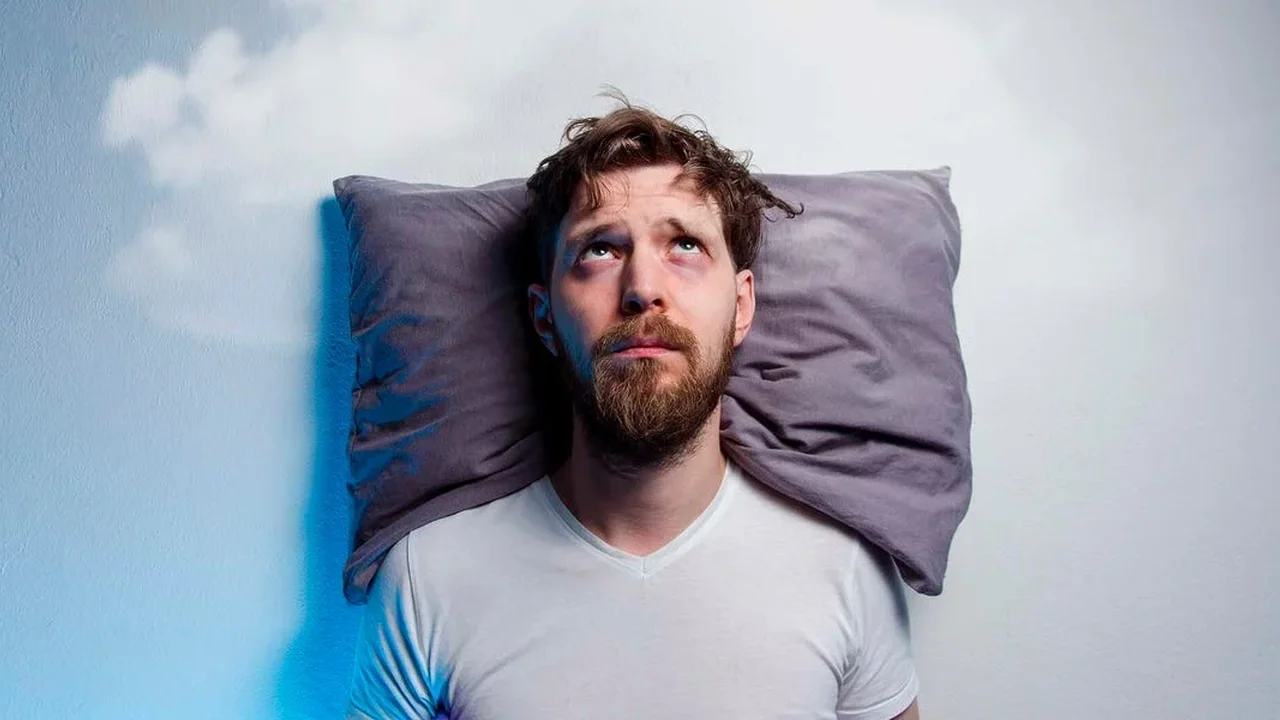
Sleep and testosterone are more closely connected than many people realize. New findings show that the hormone follows the body's internal clock, rising during the night and reaching its highest point in the early morning hours.
Why sleep matters for testosterone
Testosterone production is tied to the circadian rhythm, the 24-hour cycle that helps regulate energy, temperature, hunger and hormone release. In healthy adults, levels usually peak before morning and begin to fall later in the day. According to urologists, the most important window for hormone production comes during the later stages of sleep.
Experts note that REM sleep and deep sleep play a central role in this process. These stages tend to appear more often in the second half of the night, which is one reason a full night of rest matters more than a short stretch of sleep.
How much sleep is enough?
Earlier guidance suggested that about three hours of sleep might be enough to preserve testosterone. Today, specialists say that estimate is far too low. Current recommendations point to 7 to 9 hours of sleep for better hormonal balance and recovery.
Short sleep can cause a temporary dip, but the bigger issue is repeated sleep loss. Research cited by clinicians shows that sleeping around five hours a night may reduce testosterone by 10% to 15%. Over time, that kind of pattern can interfere with the body's natural rhythm.
Who may feel the effect more?
Adults over 40 may be more sensitive to sleep-related hormone changes. As sleep becomes lighter and more fragmented with age, the body may spend less time in the stages most linked to testosterone release. Even so, regular sleep can help restore levels once healthy routines return.
Simple habits that support better sleep
Experts recommend keeping a consistent bedtime, avoiding heavy meals late at night, limiting caffeine and alcohol, reducing screen time before bed, and creating a calm, dark sleep environment. Regular exercise and stress-reducing habits can also support better rest.
As sleep science advances, the link between nightly recovery and long-term hormonal health may shape more personalized wellness strategies in the future.