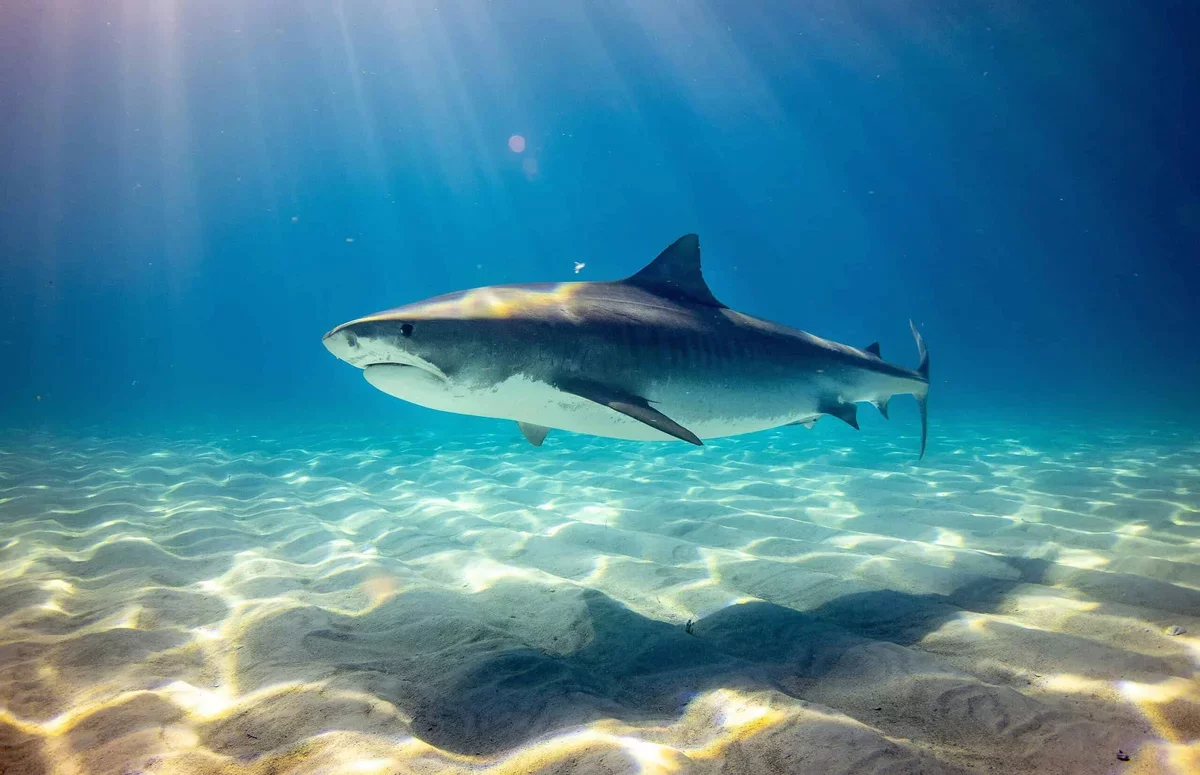
The crystal-clear waters surrounding Eleuthera Island in the Bahamas conceal a concerning reality: a mix of human pharmaceuticals. A recent study involving 85 sharks revealed that approximately one-third of these majestic creatures had traces of various human drugs, including cocaine, caffeine, and potent painkillers. This finding highlights the pervasive nature of pollution, even in seemingly untouched environments. While these substances may not directly increase aggression in sharks, they pose significant health risks.
Source of Contamination
For some time, it has been understood that plastic pollution permeates even the most remote regions of our planet. However, the issue extends beyond plastics. Researchers captured multiple shark species, such as nurse sharks, lemon sharks, and Caribbean reef sharks, collected blood samples, and subsequently released them back into their habitat.
Led by biologist Natascha Wosnick from the Federal University of Paraná in Brazil, the team screened for 20 different substances, including antidepressants and opioids. Among the most notable were:
- Caffeine
- Painkillers like acetaminophen and Tylenol
- Cocaine
While one might assume that cocaine contamination stems from drug smugglers, the reality is more complex. The primary source is often cruise ships and urban development. These floating cities, filled with tourists consuming various substances, discharge untreated or inadequately treated waste directly into the ocean.
Impact on Marine Life
This study marks the first comprehensive examination of these chemicals in Bahamian waters. The implications are significant. According to the researchers, pharmaceuticals and illicit drugs are increasingly recognized as contaminants of emerging concern in marine ecosystems, particularly in areas experiencing rapid urbanization and tourism.
"Pharmaceuticals and illicit drugs can interfere with fundamental physiological processes in marine organisms," the researchers noted in their findings.
Sharks do not experience the effects of drugs as humans do; instead, substances like cocaine can disrupt their metabolism, forcing them to expend energy detoxifying harmful compounds, which can impair their hunting, reproductive, and migratory abilities. Biochemical markers indicated signs of chronic stress among the studied sharks.
A Broader Environmental Concern
This research underscores that even the most remote ecosystems are not immune to pharmaceutical pollution. Wosnick highlighted the alarming presence of caffeine and other legal substances in shark blood, emphasizing the need to reconsider our everyday habits and their environmental impacts.
If sharks are contaminated, it is likely that other marine species are affected as well, indicating a broader ecological issue. The ocean possesses a remarkable capacity for recovery, but this requires immediate action to reduce pollution. Enhanced filtration systems and stricter regulations on waste discharge from cruise ships are essential steps toward protecting marine life.
As urban development continues along coastlines, it becomes increasingly critical to monitor what we introduce into our bodies and the oceans. The future of marine ecosystems depends on our commitment to sustainable practices.