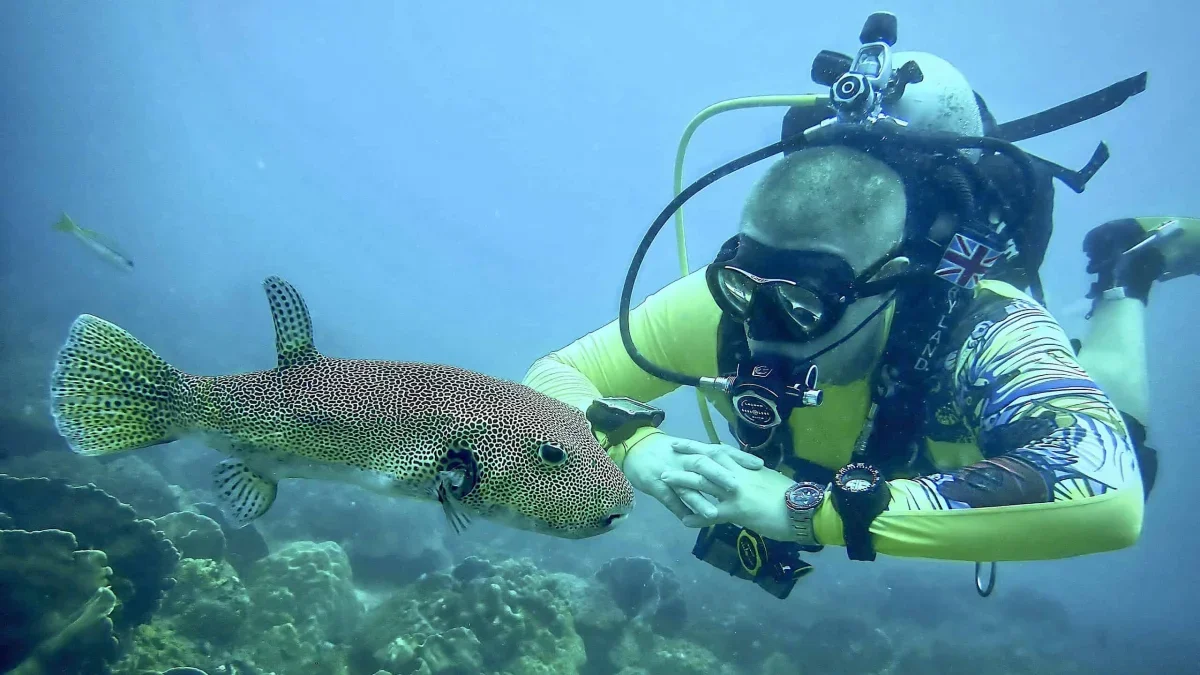
Scuba diving enthusiasts often pride themselves on their love for the ocean and their commitment to preserving its beauty. However, a recent study from the University of Sydney reveals that divers may be unintentionally causing significant harm to coral reefs. The research, published in Conservation Letters, monitored over 700 divers across popular sites in the Philippines and Indonesia, including Bali, to assess their interactions with coral.
Over 300 hours of observation documented nearly 5,000 instances of reef contact, with approximately 41% resulting in visible damage. On average, divers made contact with the reef every four minutes, spending almost two seconds of each minute touching it. While this might seem minor, the cumulative effect on heavily visited dive locations is substantial.
Lead author Bing Lin noted, "This work highlights the unsustainable impact of scuba diving tourism on coral ecosystems." Alarmingly, over 80% of harmful interactions were unintentional, with divers often unaware of the damage they inflicted. Many participants expressed strong environmental values, yet they significantly underestimated their contact with the reef, sometimes by a factor of five.
Understanding the Disconnect
The study also unveiled a psychological phenomenon among divers, where three-quarters rated their reef contact avoidance as "above average." This bias, known as illusory superiority, mirrors findings from previous studies in various fields, indicating that individuals often perceive themselves as more skilled than they truly are.
Interestingly, the Dunning-Kruger effect was evident, as less skilled divers tended to overestimate their abilities the most. The most damaging behaviors often came from those who believed they were being cautious.
Factors Influencing Damage
Specific factors exacerbated reef damage, including the use of underwater cameras, gloves, or pointer sticks, which altered divers' movements and proximity to the reef. Additionally, peer influence played a role; when one diver touched the reef, others were more likely to follow suit. The presence of marine wildlife significantly increased contact rates, with intentional interactions rising by 220% when a turtle or shark was spotted.
Encouragingly, the study found that a small percentage of divers accounted for a large portion of the damage, suggesting that targeted interventions could effectively mitigate harm.
Path Forward
Coral reefs face numerous threats, including climate change and pollution. While a diver's impact might seem negligible in isolation, it compounds with other stressors. Rather than banning diving, which supports local economies and conservation efforts, the focus should be on enhancing diver education, buoyancy training, and environmental awareness.
As Lin emphasized, "Divers must recognize their role in the problem to become part of the solution." This realization could lead to a more sustainable approach to diving, fostering a deeper connection with the underwater world and its preservation.