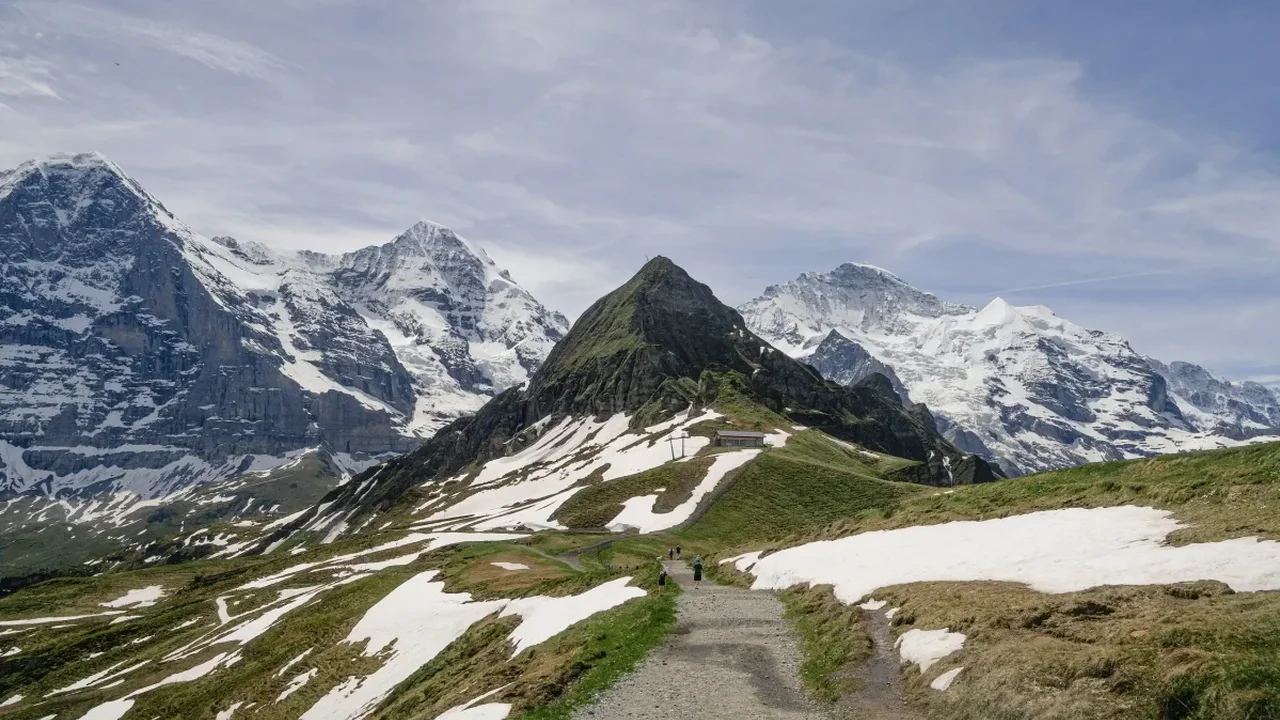
Researchers are taking a closer look at a newly defined type of warm spell that can rapidly erase mountain snowpack. Nicknamed "snow eaters," these events occur when temperatures remain above freezing day and night for three to five consecutive days, often in spring or early summer.
A study published in Science Advances found that these heat waves can nearly double the pace of snowmelt. That faster melt can shift water from a stored seasonal reserve into an early runoff surge, making forecasting and water planning more important for western mountain regions.
The research, which focused on the Western United States, also suggests that snow eater events are arriving earlier in the year and covering a wider area as temperatures rise. Since the 1850s, the study estimates that the affected region has expanded by about 40,000 square miles per century, while the first event of the season has moved up by roughly one month per century.
Scientists say the process is intensified by solar radiation. As snow warms, its structure changes and it reflects less sunlight, allowing it to absorb more energy and melt even faster. In practical terms, that means a warm spell can trigger a powerful chain reaction across mountain snowpack.
The findings matter for more than hydrology. Earlier snow loss can influence reservoir timing, summer water availability, and conditions in mountain ecosystems. Researchers also note that the same pattern may help explain broader changes in seasonal landscapes across the West.
By giving this phenomenon a clear name, scientists hope to improve public awareness and sharpen future climate monitoring. The concept of snow eaters may become a useful marker for understanding how warming reshapes mountain water cycles in the decades ahead.