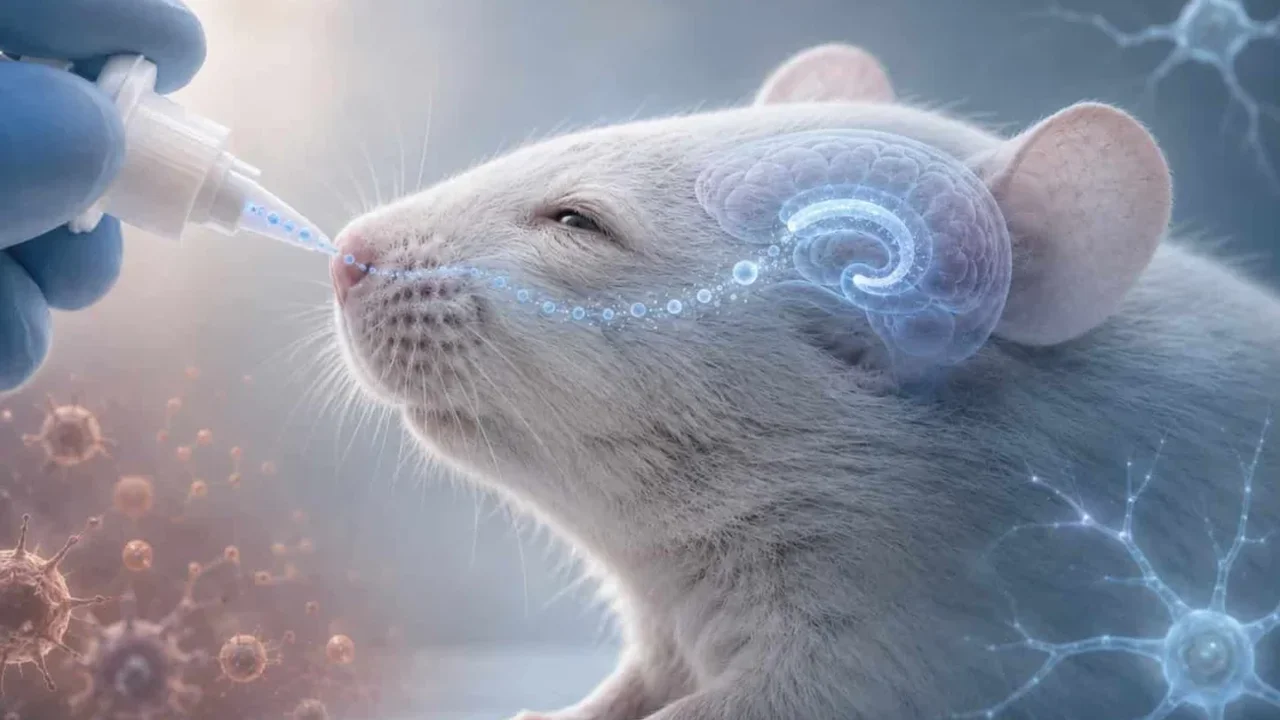
New research is adding momentum to a fresh idea in brain science: in some cases, a viral infection may help set the stage for Parkinson's disease. A Texas A&M team found that a mouse virus, Theiler's murine encephalomyelitis virus (TMEV), could damage dopamine-producing neurons in a movement-control area of the mouse brain and leave lasting motor problems behind.
What the Study Showed
Researchers introduced TMEV directly into the substantia nigra, a region deeply tied to movement. Within a week, the virus had reached dopamine neurons. By one month, many of those cells were gone. The infected mice then moved more slowly, showed altered gait, and remained impaired for weeks after the virus itself had faded.
The team also used movement tests linked to dopamine loss, including a pole-climbing task, apomorphine response, and treadmill analysis. Across these measures, the infected animals performed worse than controls, suggesting the infection caused real and persistent changes in brain function.
Why It Matters
Parkinson's disease is known for the gradual loss of dopamine neurons, which affects coordination, balance, and walking. Most lab models rely on toxins or genetic edits, but those approaches do not fully capture how the disease may begin in people. The Texas A&M findings offer a new way to study how infection, immune activity, and neuron loss might interact over time.
The study does not suggest that TMEV affects humans; it is a rodent virus. But it does support a broader scientific question: could certain human viruses act as environmental triggers in brains already influenced by age, genes, or inflammation?
That idea is gaining attention. A separate 2025 study in JCI Insight reported Human Pegivirus in brain tissue from some people with Parkinson's, alongside immune patterns that varied with the LRRK2 gene. Together, these studies point to a more complex origin story for the disease.
What Comes Next
The Texas A&M team now plans to compare this viral model with standard Parkinson's models, look for early biomarkers, and map how immune responses affect the brain. As the global population ages, such work could help researchers identify earlier signals and more precise pathways for prevention and care. In the future, this line of research may reshape how scientists understand the first steps of neurodegenerative disease.