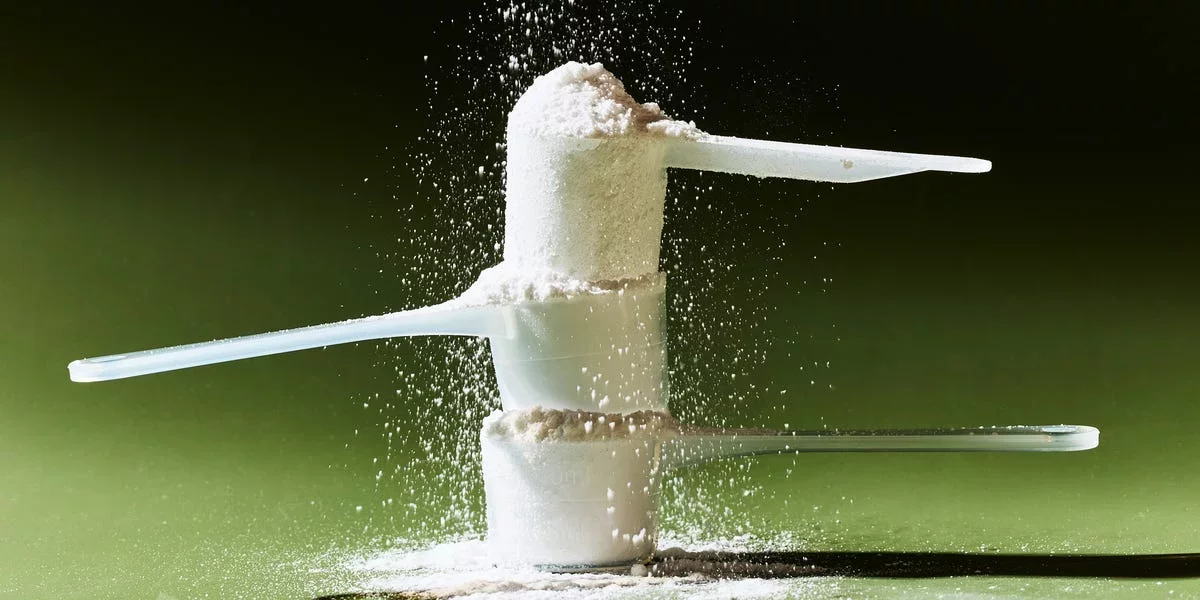
Creatine monohydrate has long been associated with a daily intake of five grams, a figure that many fitness enthusiasts have trusted for years. This dosage was believed sufficient to saturate muscles with ATP, the energy molecule crucial for exercise performance. With this energy boost, individuals could enhance their workouts, whether it involved lifting weights or performing high-intensity jumps.
However, recent research has begun to explore the potential benefits of higher dosages of creatine, extending beyond just muscle enhancement. Studies are investigating its effects on cognitive function, traumatic brain injuries, and even symptoms of depression. The rationale is simple: since the brain also relies on ATP for energy, increasing its availability could enhance mental performance.
Wellness experts, including Dr. Andrew Huberman, have described creatine as essential for cognitive health, particularly for the forebrain, which governs planning and decision-making. Influencers like Gary Brecka and Dave Asprey have echoed similar sentiments, suggesting that higher doses--up to 25 grams--could be beneficial.
Yet, experts like Dr. Darren Candow from the University of Regina caution against jumping on the high-dose bandwagon. He emphasizes that while the emerging research is exciting, it remains context-specific and not universally applicable. Current findings suggest that a minimum of four grams may be effective for specific conditions, but the overall research is still limited.
Dr. Scott Forbes from Brandon University adds that while the data shows promise, especially under stress, the existing studies are often sparse, with few focusing on critical populations like those with traumatic brain injuries or Alzheimer's disease.
Further complicating the discussion, Dr. Richard Kreider from Texas A&M University highlights that the brain's unique requirements for creatine necessitate higher doses compared to muscles. Nevertheless, a recent review by Kreider, Candow, and Forbes indicates that long-term supplementation at doses of 10 grams is safe, debunking earlier concerns regarding potential kidney damage.
Despite the safety of higher doses, the necessity remains a question. Many individuals still find five grams adequate for their needs. However, as Kreider suggests, spreading out the dosage throughout the day may yield better cognitive and health benefits.
In conclusion, while five grams of creatine daily continues to be a solid recommendation, the evolving research landscape invites individuals to consider adjusting their intake based on personal goals and responses. As the science around creatine develops, we may soon see more tailored recommendations that could further enhance both physical and mental well-being.