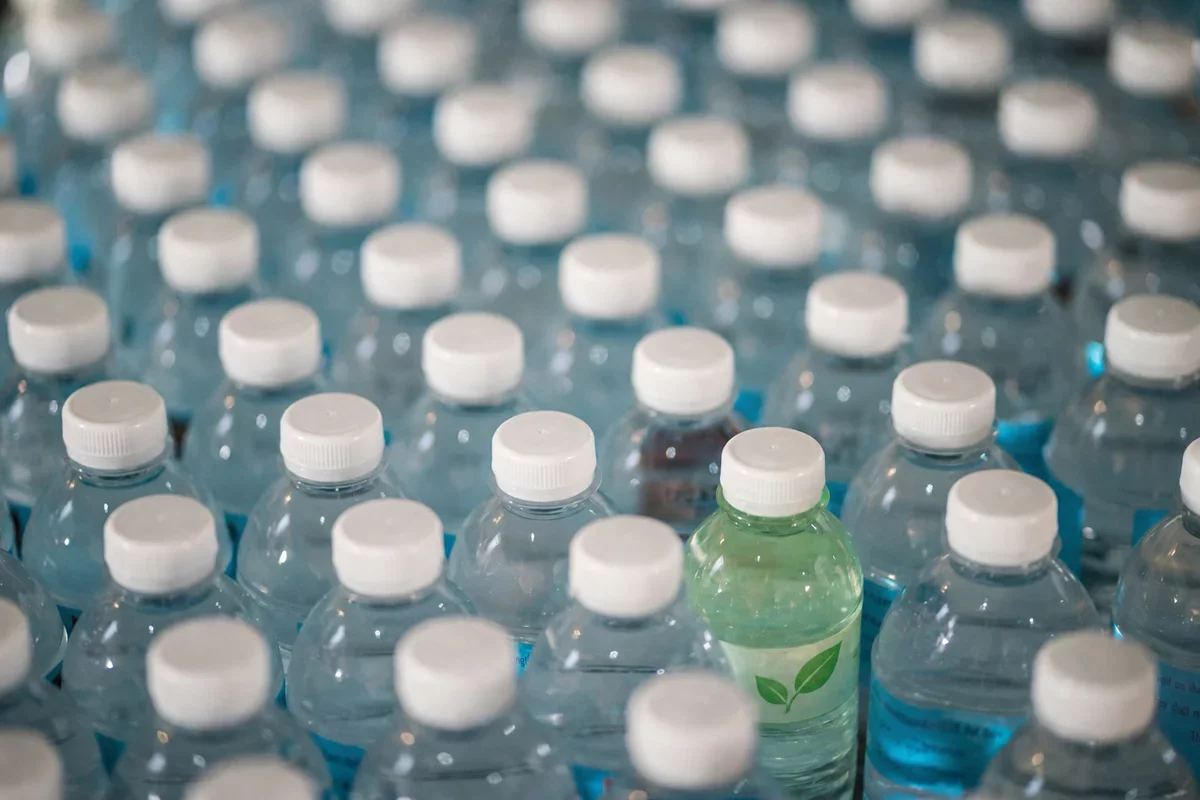
In a groundbreaking advancement, researchers from Purdue University and the University of Connecticut have developed a new type of plastic derived from cannabidiol (CBD), a compound sourced from hemp. This innovative polymer exhibits remarkable strength and heat resistance, making it a strong contender against traditional plastics like polyethylene terephthalate (PET), commonly used in water bottles.
Historically, the quest for effective plant-based plastics has encountered numerous challenges. Many alternatives have proven to be either too brittle or inadequate in performance. However, the new CBD-based polymer not only meets but exceeds expectations, demonstrating scalability and versatility akin to PET. It can be molded, stretched, and shaped into industrial forms, similar to conventional plastics.
Challenges in Plastic Development
According to Gregory Sotzing, one of the study's authors, "Very few, if any, plastics made from natural resources have this quality." Traditional plastics often rely on hydrocarbons, which can pose environmental risks due to substances like bisphenol-A (BPA). The shift to a CBD-based polymer represents a significant step toward sustainable materials.
The unique molecular structure of CBD, characterized by an aromatic ring, provides the necessary backbone for creating heat-resistant plastics. By combining CBD with triphosgene, a relatively simple chemical, the researchers have crafted a material that could potentially revolutionize the industry.
Can This New Plastic Replace Conventional Options?
Despite the promising nature of this development, scaling up production remains a key hurdle. The global demand for PET is immense, with approximately 20,000 bottles produced every second. To effectively reduce reliance on fossil fuels, a diverse portfolio of materials, including those derived from sugars, waste, and non-food biomass, will be essential.
While hemp is already cultivated for various applications, including textiles and construction materials, the cost of CBD remains a concern. Currently, PET is produced at a lower cost due to established petrochemical supply chains. The researchers suggest that the CBD-based plastic may initially find its niche in high-value applications, such as flexible electronics and specialty packaging, before expanding into more common uses.
The Future of Sustainable Plastics
Although a complete life-cycle assessment is yet to be conducted, the initial results indicate that CBD could serve as a viable building block for high-performance polymers. Future research will focus on refining production methods and assessing the material's durability in real-world conditions.
As the world increasingly seeks alternatives to petroleum-based plastics, the potential for hemp-derived materials like this CBD polymer could play a crucial role in shaping a sustainable future. The journey from laboratory innovation to commercial application may be complex, but with continued exploration, the possibilities are promising.