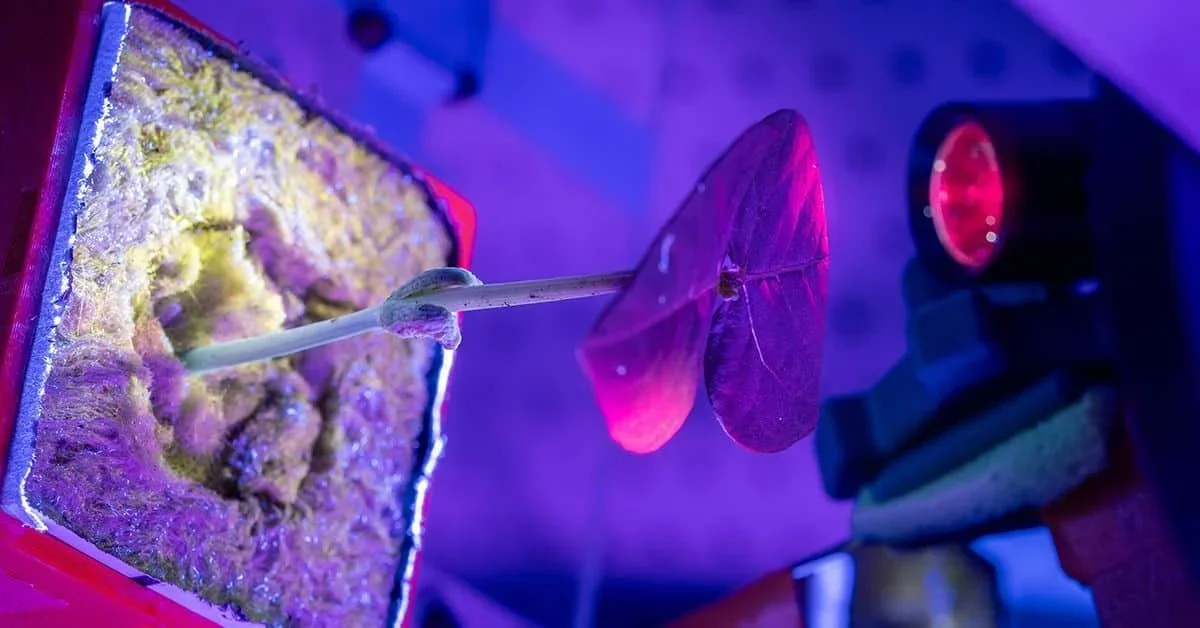
Researchers at the Weizmann Institute of Science have made a groundbreaking advancement in plant biology by engineering the tobacco relative Nicotiana benthamiana to produce five potent psychedelics at once. This innovative approach merges genetic material from magic mushrooms, desert toads, and an Amazonian shrub, resulting in a plant capable of synthesizing a complex mixture of psilocybin, psilocin, DMT, 5-methoxy-DMT, and bufotenin.
The potential medical applications of these psychedelics are significant, particularly in addressing severe mental health issues such as depression, anxiety, and trauma. By consolidating the production of these compounds into a single, rapid-growing crop, researchers aim to alleviate supply constraints faced by medical scientists while providing a sustainable alternative to harvesting endangered wild species.
A Cross-Kingdom Innovation
Psychedelics, classified as tryptamines, have been utilized by Indigenous cultures for centuries in spiritual and healing practices. Today, they are increasingly recognized in modern psychiatry for their ability to help rewire the brain and treat persistent mental health disorders. Paula Berman, a postdoctoral researcher, emphasized the importance of this research, stating that it is driven by the compounds' medicinal potential rather than recreational use.
To achieve their goal, Berman and her team meticulously mapped the biosynthetic pathways of the plants involved in producing these compounds. They decoded the genetic instructions from the Psychotria viridis bush and the Acacia acuminata tree, identifying how these plants create DMT. They then incorporated genetic elements from the Psilocybe cubensis mushroom and the cane toad, supplemented by enzymes from rice and cress to optimize the growth of their engineered plant.
Despite the success in producing the psychedelics, the researchers encountered challenges as the internal pathways competed for resources, resulting in low yields of some compounds. To overcome this, they utilized AlphaFold3, an advanced AI tool, to analyze protein structures and identified a structural conflict within an enzyme. By making a precise adjustment to the enzyme's active site, they significantly enhanced the production of 5-methoxy-DMT.
A Sustainable Future
Safety and sustainability were paramount in this research. The team employed a technique called "agroinfiltration" to introduce genes into the tobacco plant without permanently altering its genome. This method ensures that the engineered traits do not spread to wild relatives, maintaining ecological integrity.
This pioneering work could revolutionize the production of psychiatric medications. By demonstrating that complex hallucinogenic pathways can be reconstructed, scientists envision a future where new therapeutic compounds can be cultivated sustainably in greenhouses. This approach not only minimizes environmental impact but also holds the promise of transforming how we produce essential medicines.
The findings are published in the journal Science Advances.