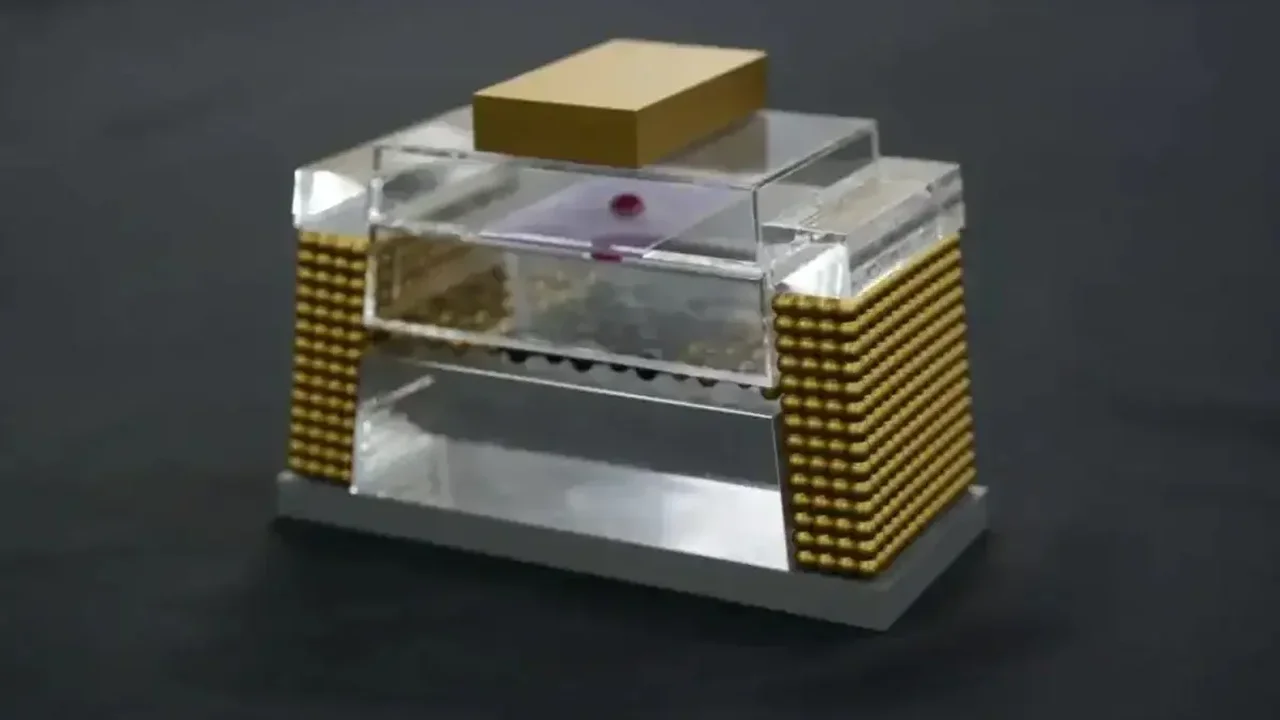
Researchers at Fudan University in Shanghai have unveiled an experimental memory device that can store information by adding or removing just one electron at a time. The result pushes electronic memory closer to the physical limit of charge itself.
The prototype is built from ultra-thin layers, including graphene, which helps keep electrons from escaping. It can detect the effect of a single electron at room temperature and preserve that state even after power is turned off. In tests, the device produced clear, repeatable voltage shifts of about 0.5 volts as electrons were moved in and out.
That signal is far stronger than earlier single-electron demonstrations, and the stored states remained stable for more than 5,000 seconds during the experiment. The researchers say the underlying structure could eventually guide lower-power memory systems with far greater storage density.
For now, the device is still a laboratory prototype. It requires programming pulses of nearly 30 volts, which is much higher than what consumer electronics typically use. The next step is to reduce that voltage and prove the concept in larger memory arrays.
The work appears in Science and follows a series of advances from the same team in graphene-based memory. If scaled successfully, this approach could help shape a new generation of ultra-efficient computing hardware.
In the long run, single-electron memory may influence how future devices balance speed, energy use, and data density.