While many investors are focused on artificial intelligence, Max Hodak, co-founder and former president of Neuralink, is steering his attention towards a breakthrough in brain-computer interfaces with his startup, Science Corporation. The company recently announced a successful Series C funding round, raising an impressive $230 million, which brings its valuation to $1.25 billion.
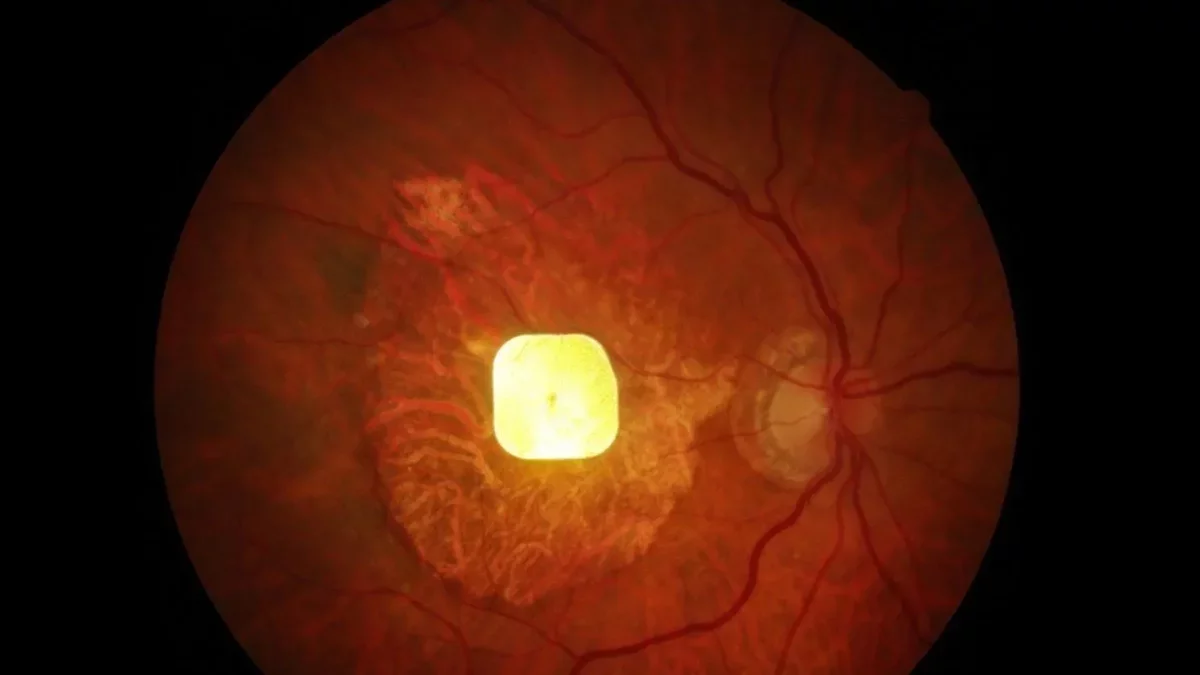
Science Corp. is focusing on its flagship product, PRIMA, a chip smaller than a grain of rice designed to restore vision for individuals suffering from advanced macular degeneration. This innovative device works in conjunction with camera-equipped glasses to enhance visual functionality.
The technology underlying PRIMA was acquired from Pixium Vision in 2024, and since then, Science Corp. has refined the device and completed initial clinical trials. The results have been promising; out of 47 patients tested across Europe and the U.S., 80% exhibited significant improvements in their visual acuity, enabling them to read letters and numbers.
Hodak remarked, "This marks the first time the restoration of fluent reading ability has been clearly demonstrated in blind patients." The device's potential has even garnered attention from major media outlets, including a feature in Time magazine.
While the exact timeline for PRIMA's market release remains uncertain, Science Corp. is actively pursuing regulatory approval. The company has submitted a CE mark application to the European Union, anticipating approval by mid-2026, positioning it as a potential pioneer in the brain-computer interface market.
Germany is expected to be the first market for PRIMA due to its established pathways for early access to medical innovations. In the United States, discussions with the FDA are ongoing as the company prepares for its launch.
Additionally, Science Corp. is expanding its clinical trials to include conditions such as Stargardt disease and retinitis pigmentosa, which are significant causes of vision loss in younger populations.
The newly acquired funds will not only facilitate the commercialization of PRIMA but will also support broader research initiatives, including a biohybrid neural interface program that aims to integrate engineered neurons with existing brain circuits.
Furthermore, Science has introduced a new division called Vessel, dedicated to developing an organ preservation platform. This innovative approach aims to create miniaturized perfusion technology, allowing organs to be transported commercially or maintained at home, rather than solely in intensive care units.
The Series C funding round attracted a diverse group of investors, including Lightspeed Venture Partners, Khosla Ventures, Y Combinator, and Quiet Capital, along with IQT, a non-profit investment firm focused on governmental solutions. With this funding, Science Corp. has raised a total of $490 million and currently employs 150 talented individuals.