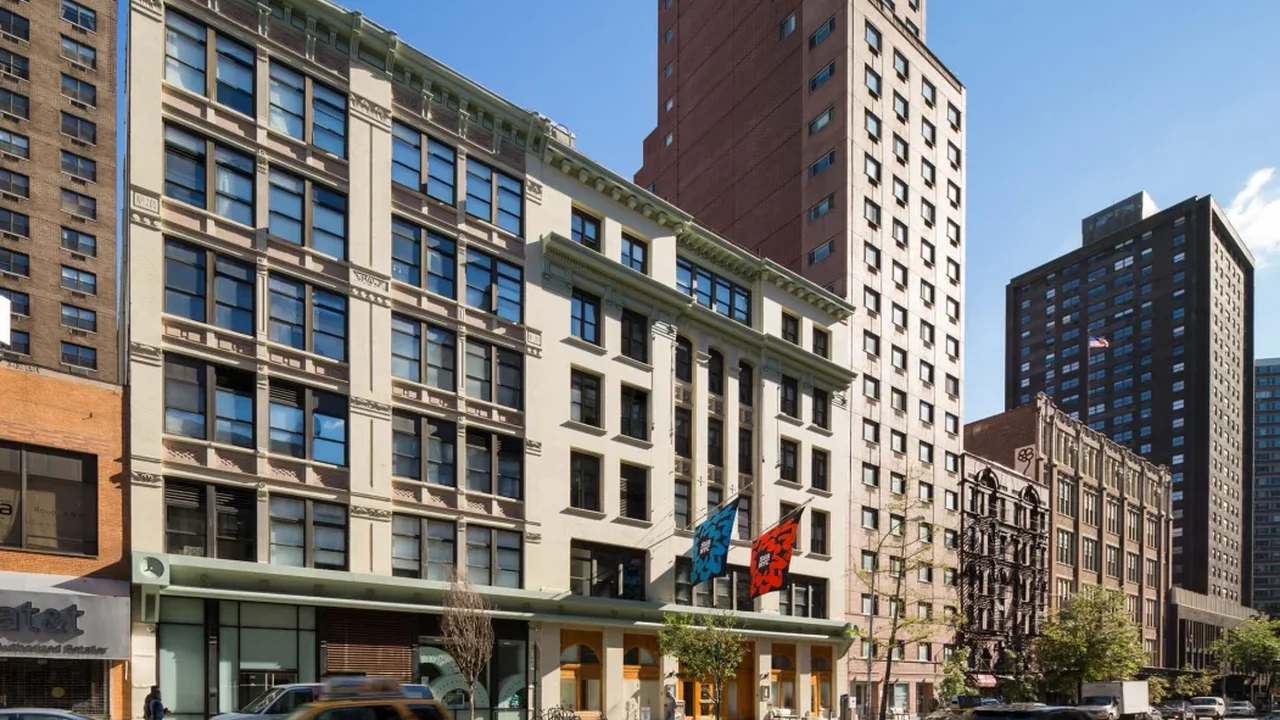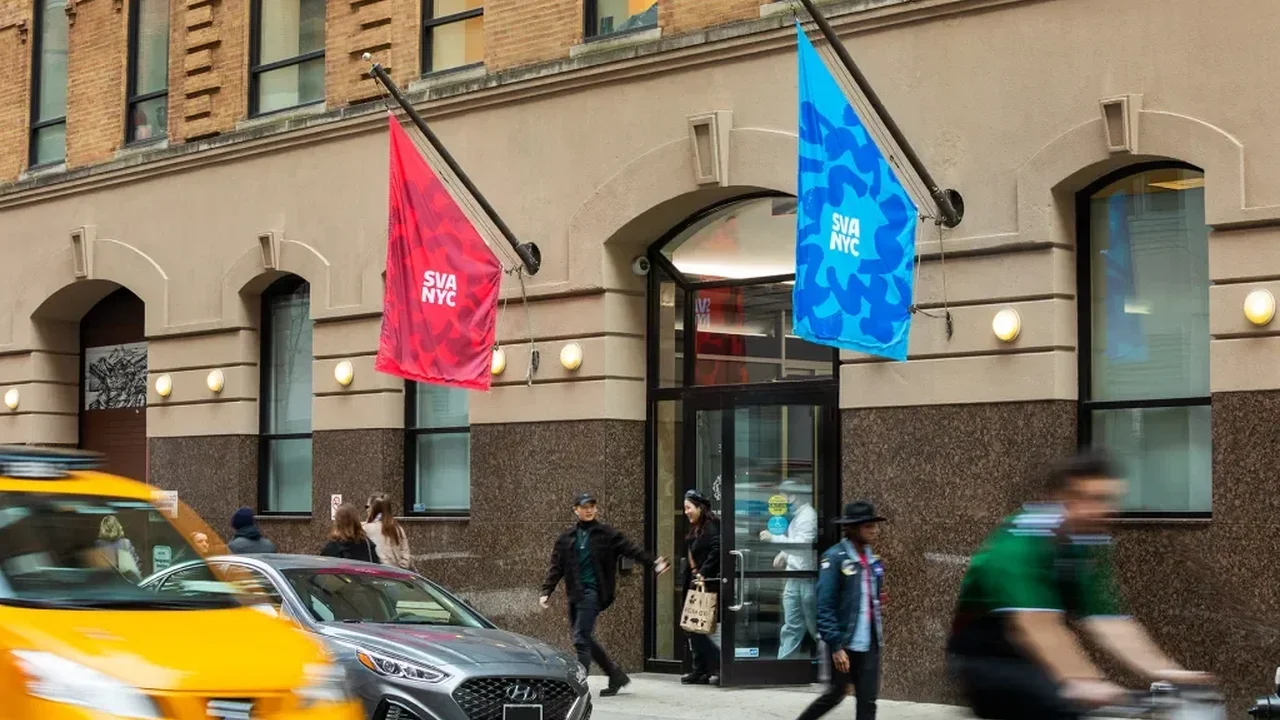
New York's School of Visual Arts is navigating a major transition as enrollment has fallen by about 34% since 2019, while the institution also reports a $22 million structural budget deficit, the largest in its nearly 80-year history.
In a July 1 message to faculty and staff, interim president Christopher J. Cyphers said the school's annual operating budget is around $200 million and remains heavily dependent on tuition. For the coming academic year, full-time tuition is set at $55,270.
The decline reflects broader shifts in higher education, including demographic changes tied to lower birth rates after the Great Recession, as well as pressure on arts education and international student mobility. Cyphers noted that SVA had reached its highest enrollment in 2019 before the recent downturn.
The school has also undergone significant internal changes. Faculty voted to unionize last year, and ownership was transferred from the Rhodes family to the nonprofit SVA Alumni Society. In addition, SVA has announced the closure of several programs, including its MFA in Curatorial Practice, a Master of Professional Studies in digital photography, and a low-residency MFA in art practice.
Despite these adjustments, SVA continues to be known for a faculty that includes prominent artists such as KAWS, Joseph Kosuth, and Lorna Simpson. The situation also reflects a wider pattern across independent art schools in North America, many of which are rethinking their structures, programs, and enrollment strategies.
As art education adapts to new financial and demographic realities, institutions that combine creative excellence with flexible models may shape the next era of cultural learning.