San Francisco's real estate landscape has long been known for its high prices, but recent developments in the luxury market are pushing the boundaries of what was once considered possible in this iconic city.
Take, for instance, a stunning six-bedroom residence in Cow Hollow, which hit the market at $7.95 million and astonishingly sold for $15 million just two weeks later. The previous owners acquired the property for $7.8 million in the midst of the pandemic in 2020, effectively doubling their investment in under five years.
Real estate agent Rohin Dhar highlighted this remarkable sale on social media, eliciting reactions from those who believed they had witnessed all that the San Francisco market could offer.
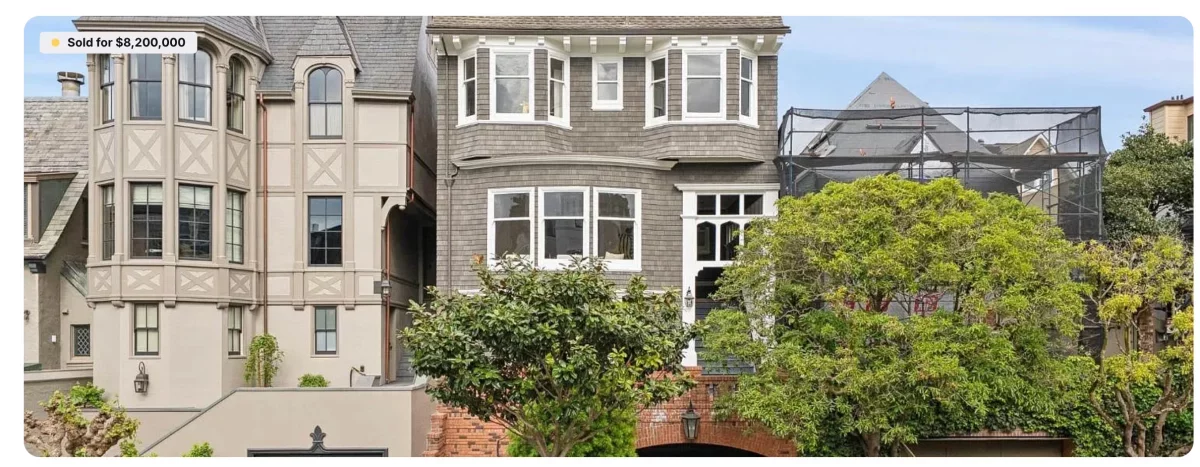
Another noteworthy transaction involved a 4,100-square-foot home in the exclusive Presidio Heights neighborhood, initially listed for $4.4 million and sold within a week for $8.2 million--almost double the asking price. Venture capitalist Nichole Wischoff, who viewed the property, expressed skepticism about the value, commenting on the mediocre construction and less-than-ideal views.
However, the excitement isn't confined to the ultra-luxury segment. A 2,300-square-foot home in Bernal Heights recently sold for $4 million, exceeding the asking price by a million dollars. This sale illustrates that the competitive atmosphere extends beyond the high-end market, with many homes regularly fetching $500,000 to $1 million over their listed prices.
Recent data from Redfin reveals that luxury home sales in San Francisco surged by 22% year-over-year in March, with properties going under contract in a median of just 12 days--down from 28 days the previous year. In contrast, non-luxury sales experienced a modest rise of less than 4%, indicating that the high-end market operates in a realm distinct from the rest.
The driving force behind this surge is clear to those observing the city's thriving tech sector. San Francisco is home to some of the world's most valuable private companies, and their employees have been accumulating substantial wealth, which is now flowing into the housing market.
Companies like OpenAI and Anthropic have allowed employees to sell portions of their shares, resulting in significant financial gains for many who wish to upgrade their living situations. This influx of liquidity is reshaping the housing market dramatically.
Looking ahead, the potential for even greater changes looms as tech giants prepare for public offerings. The wealth that could be unlocked from these IPOs may render current market conditions almost quaint in comparison. As thousands of employees gain access to newfound liquidity, the implications for an already unprecedented housing market are difficult to predict.
San Francisco has long been a focal point in discussions about housing affordability, and it will be intriguing to see how the landscape evolves if $15 million homes become the new norm.