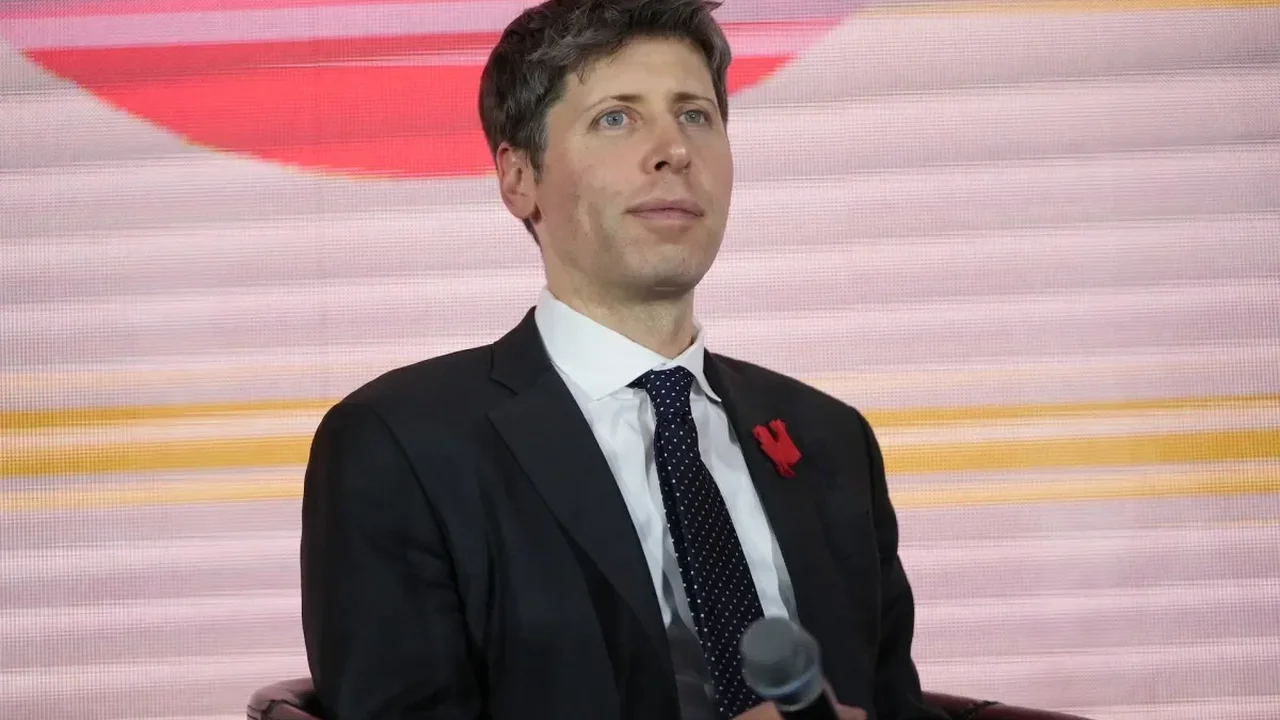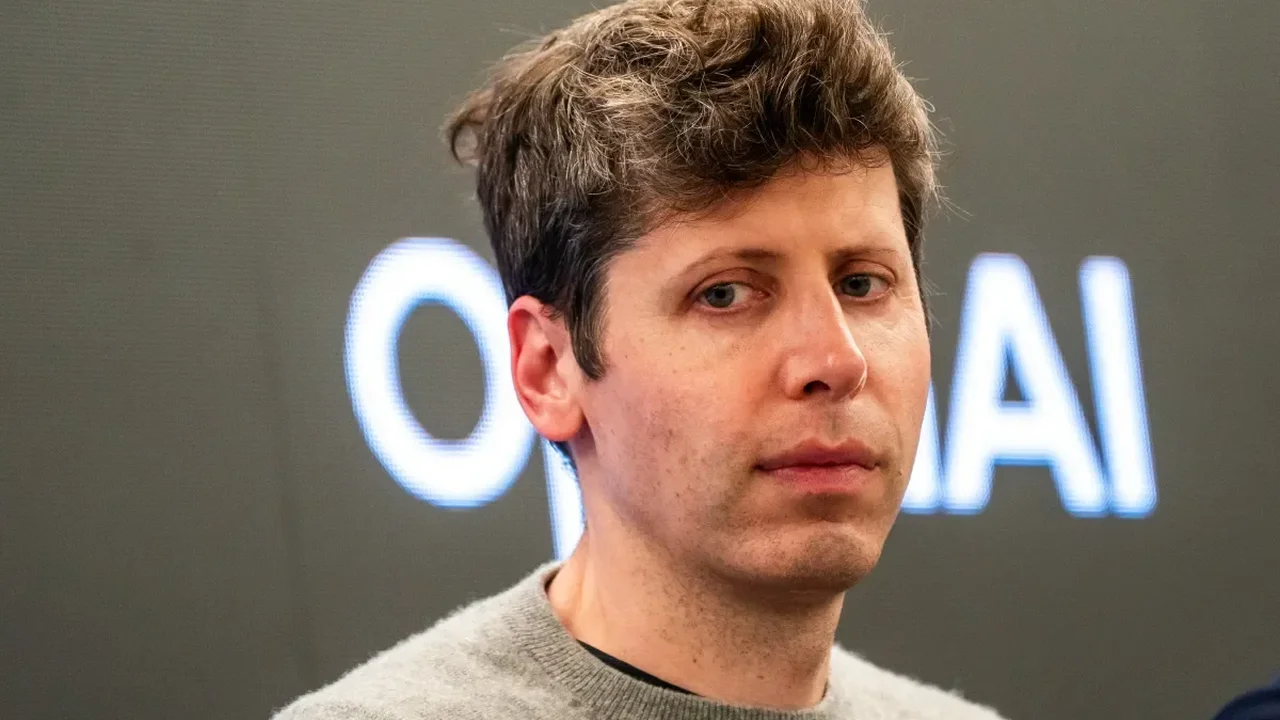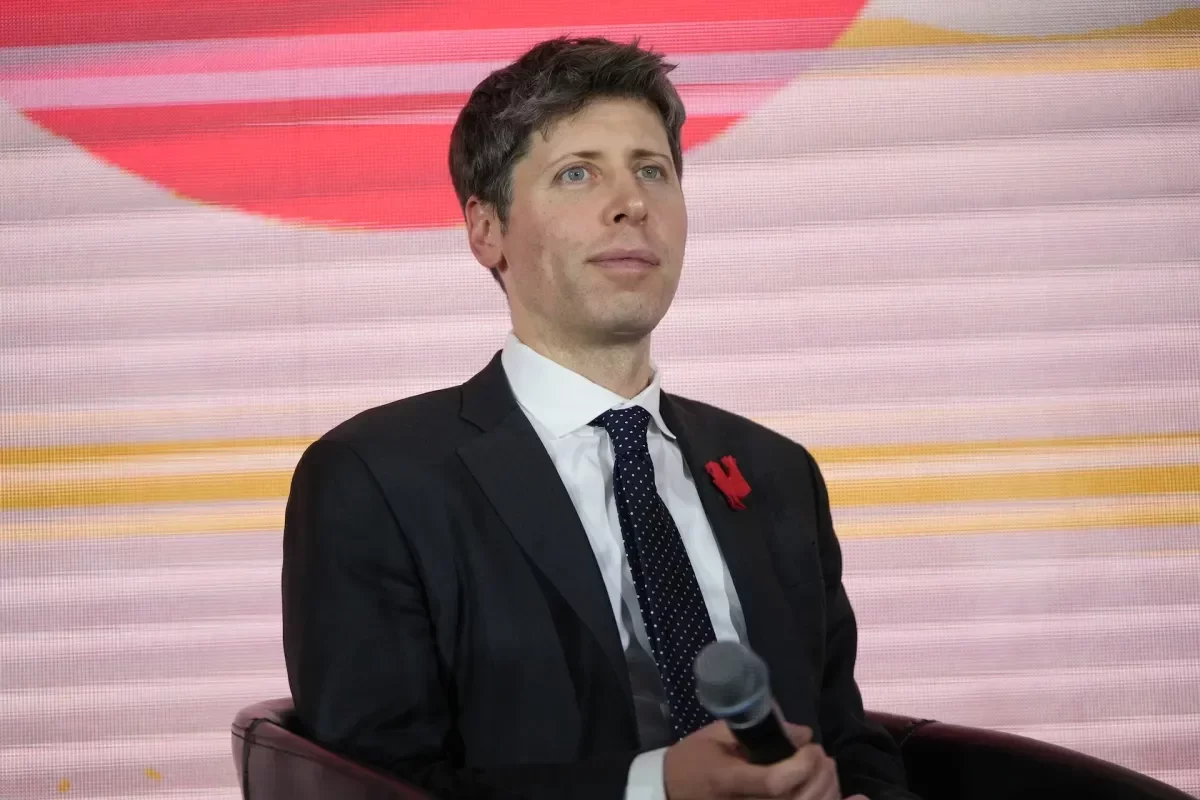
During a recent event hosted by The Indian Express, OpenAI CEO Sam Altman addressed the environmental concerns surrounding artificial intelligence, particularly its energy and water usage.
While attending a significant AI summit in India, Altman dismissed claims that AI consumes excessive water, labeling such fears as "totally fake." He noted that earlier practices like evaporative cooling in data centers contributed to these misconceptions. "Now that we don't do that, you see these things on the internet where, 'Don't use ChatGPT, it's 17 gallons of water for each query,'" he stated, emphasizing that these assertions are "completely untrue."
Altman acknowledged that the total energy consumption of AI is a valid concern. He stressed the need for a swift transition to sustainable energy sources, such as nuclear, wind, and solar power, as global AI usage continues to rise.
Despite the lack of legal requirements for tech companies to disclose their energy and water consumption, scientists are independently investigating these metrics. The increasing electricity costs have also been linked to data centers and their operations.
When questioned about the energy equivalence of a single ChatGPT query to charging an iPhone, Altman firmly rejected the notion, asserting, "There's no way it's anything close to that much." He criticized the discussions around ChatGPT's energy usage as "unfair," particularly when comparing the energy required to train AI models to the energy consumed by humans performing similar tasks.
"It takes a lot of energy to train a human," he reflected, explaining that the process involves years of life and the resources consumed during that time. He argued that the evolution of humanity has played a crucial role in developing intelligence, adding, "If you ask ChatGPT a question, how much energy does it take once its model is trained to answer that question versus a human? AI has likely caught up in terms of energy efficiency."
To delve deeper into this discussion, viewers can watch the complete interview, where the conversation about water and energy usage begins at approximately 26:35.