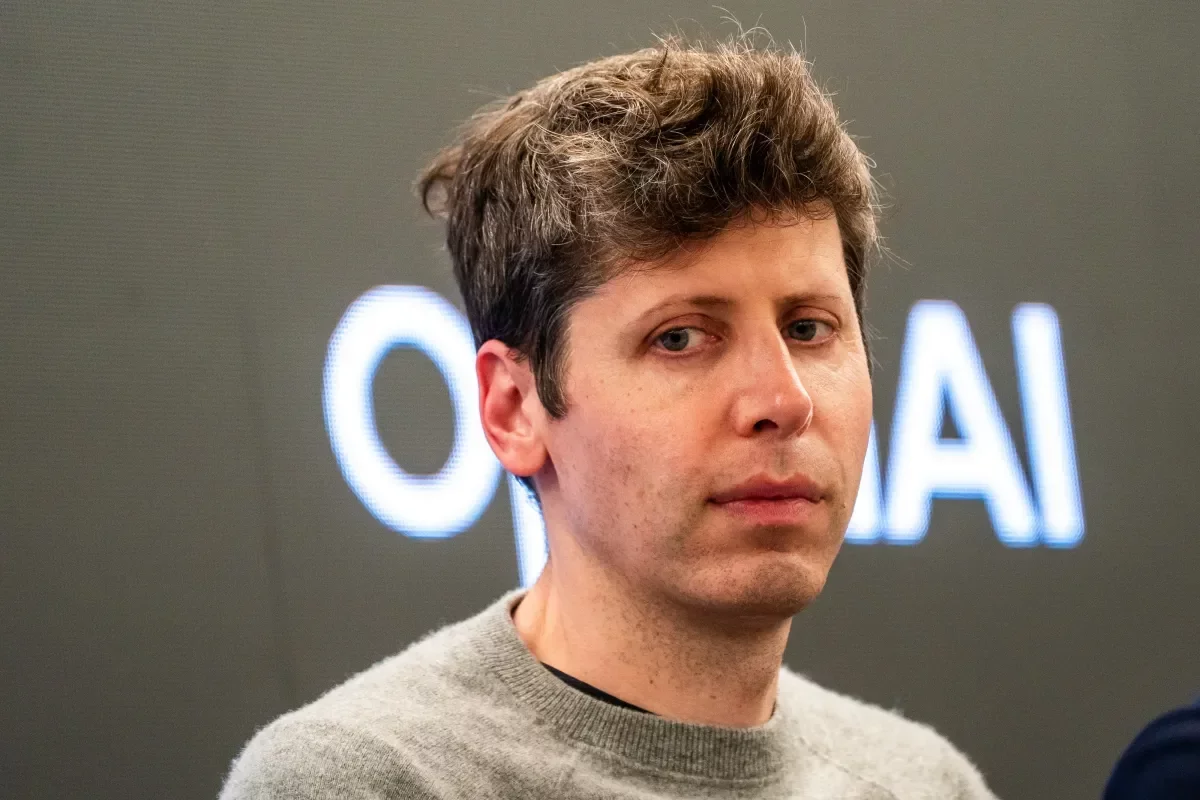
Sam Altman, the CEO of OpenAI, took to his blog on Friday to address recent events, including an attack on his residence and a critical profile published by The New Yorker. Early that morning, a Molotov cocktail was reportedly thrown at his home. Fortunately, no injuries were reported, and a suspect was apprehended later at OpenAI's headquarters, where he made threats against the building, as per the San Francisco Police Department.
Altman highlighted that the attack coincided with the release of a "provocative article" questioning his reliability. He reflected on the potential dangers of such narratives, stating, "I brushed it aside. Now I am awake in the middle of the night and pissed, and thinking that I have underestimated the power of words and narratives."
The New Yorker piece, authored by Ronan Farrow and Andrew Marantz, involved interviews with over 100 individuals familiar with Altman's professional conduct. The authors characterized him as possessing a "relentless will to power," setting him apart from his peers in the tech industry.
Farrow and Marantz noted that many interviewees expressed concerns regarding Altman's trustworthiness, with one anonymous board member describing him as someone who seeks approval while lacking awareness of the consequences of his actions. This portrayal has raised questions about his leadership style.
In his response, Altman reflected on his journey, acknowledging both achievements and missteps. He admitted to being conflict-averse, which he believes has led to significant challenges for himself and OpenAI. He specifically referenced a tumultuous period involving his removal and subsequent reinstatement as CEO in 2023, expressing regret for not managing conflicts more effectively.
Altman expressed a desire to learn from his experiences, stating, "I am sorry to people I've hurt and wish I had learned more faster." He also recognized the intense competition within the tech sector, describing it as a "Shakespearean drama" driven by a "ring of power" dynamic that compels individuals to act irrationally.
He emphasized the importance of collaboration over competition, suggesting that the focus should be on sharing technology rather than hoarding it. "I don't mean that artificial general intelligence itself is the ring, but rather the overarching philosophy of controlling AGI," he clarified. Altman advocates for a future where technological advancements benefit everyone.
In conclusion, he welcomed constructive criticism and debate, asserting his belief that technological progress has the potential to create a brighter future for all. He urged the industry to lower the intensity of its rhetoric, advocating for a more peaceful discourse as the field evolves.