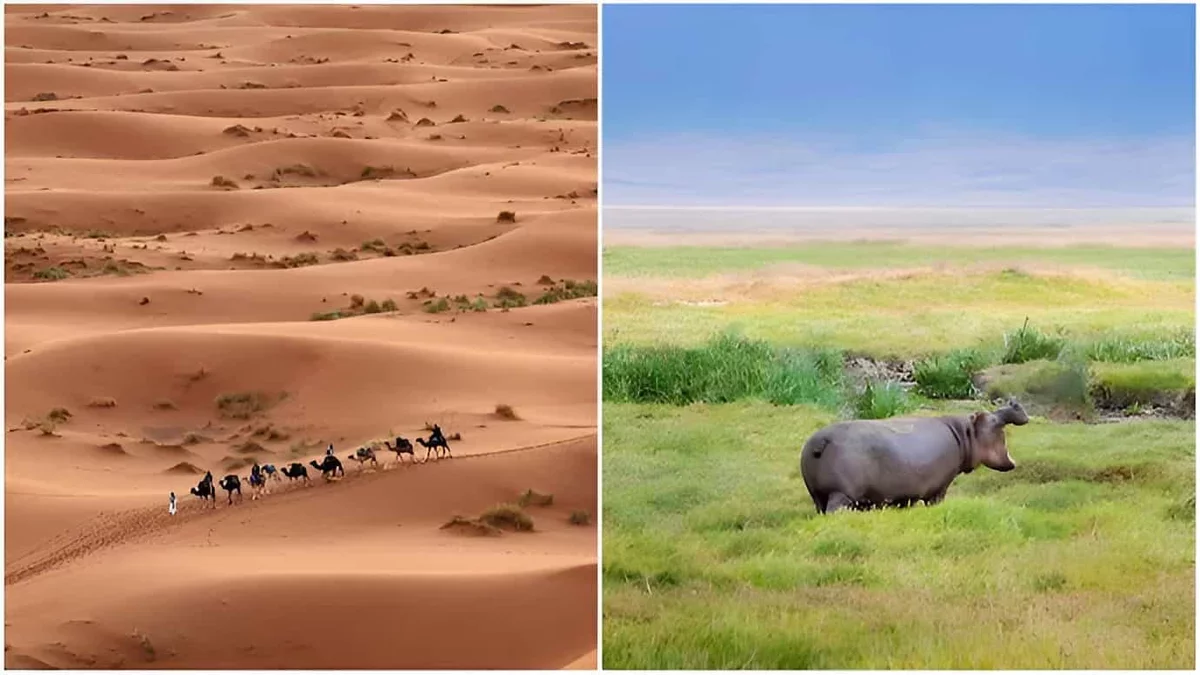
The Sahara Desert, known today for its vast stretches of sand and extreme aridity, was once a vibrant landscape filled with lush greenery and abundant water. Recent research conducted by scientists from the University of Oxford and Morocco's Institut National des Sciences de l'Archéologie et du Patrimoine has unveiled this hidden past through the study of ancient stalagmites found in remote caves in Morocco's High Atlas Mountains.
By examining these mineral formations, the researchers have constructed a detailed timeline indicating that between 8,700 and 4,300 years ago, the Sahara experienced significant rainfall due to massive weather systems referred to as tropical plumes. This climatic shift not only reduced the desert's expanse but also facilitated the development of early human societies, allowing them to thrive through animal herding and trade.
Unlocking the Secrets of the Past
Stalagmites serve as natural records of historical rainfall, forming when water drips from cave ceilings, leaving behind mineral deposits. In a 2010 expedition, researcher Julia Barrott collected stalagmite samples, including one designated ASD-1, from caves located hundreds of kilometers inland. The analysis of these samples involved measuring the radioactive decay of uranium into thorium, providing a precise geological timeline.
The findings revealed that stalagmites began to grow significantly around 8,700 years ago, continuing until about 4,300 years ago, coinciding with the African Humid Period. This period marked a time of increased rainfall and ecological diversity in the Sahara.
The Enigma of the Missing Monsoon
While it is well-established that the Sahara was once verdant, the exact source of this late-stage precipitation has puzzled scientists. Traditional theories suggested that the West African Monsoon extended its reach into the Sahara, but evidence from the stalagmites indicates that this was not the sole contributor. Instead, the analysis pointed to tropical plumes as the primary source of moisture, transporting rain from the tropics into the subtropics.
Connecting Ancient Societies
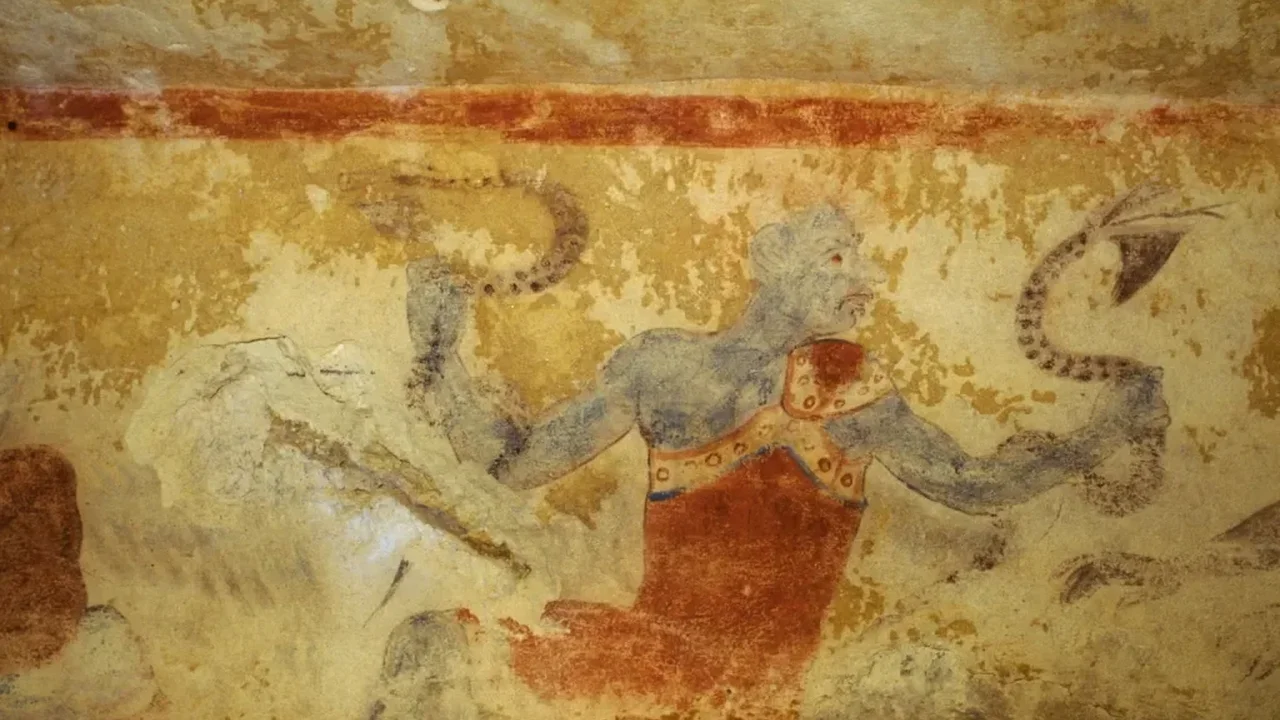
The influx of rain transformed the Sahara into a thriving environment, facilitating connections between nomadic populations. The correlation between stalagmite growth and archaeological findings from Neolithic settlements suggests that these early communities flourished during the same period, relying on rainfall for their livestock and sustenance. The geography of the region played a crucial role, as enhanced rainfall filled aquifers and increased river flow into the desert's interior.
As the Sahara's climate shifted, the combination of tropical plumes and the West African Monsoon effectively narrowed the desert's boundaries, creating a vital corridor for ancient herders.
A Vision for the Future
This groundbreaking research not only sheds light on the Sahara's climatic history but also provides insights into how similar weather patterns may emerge in the future. As global temperatures rise, understanding the behavior of tropical plumes could be essential for predicting rainfall patterns in the region. The findings, published in Earth and Planetary Science Letters, pave the way for further exploration into the dynamic relationship between climate and human development.