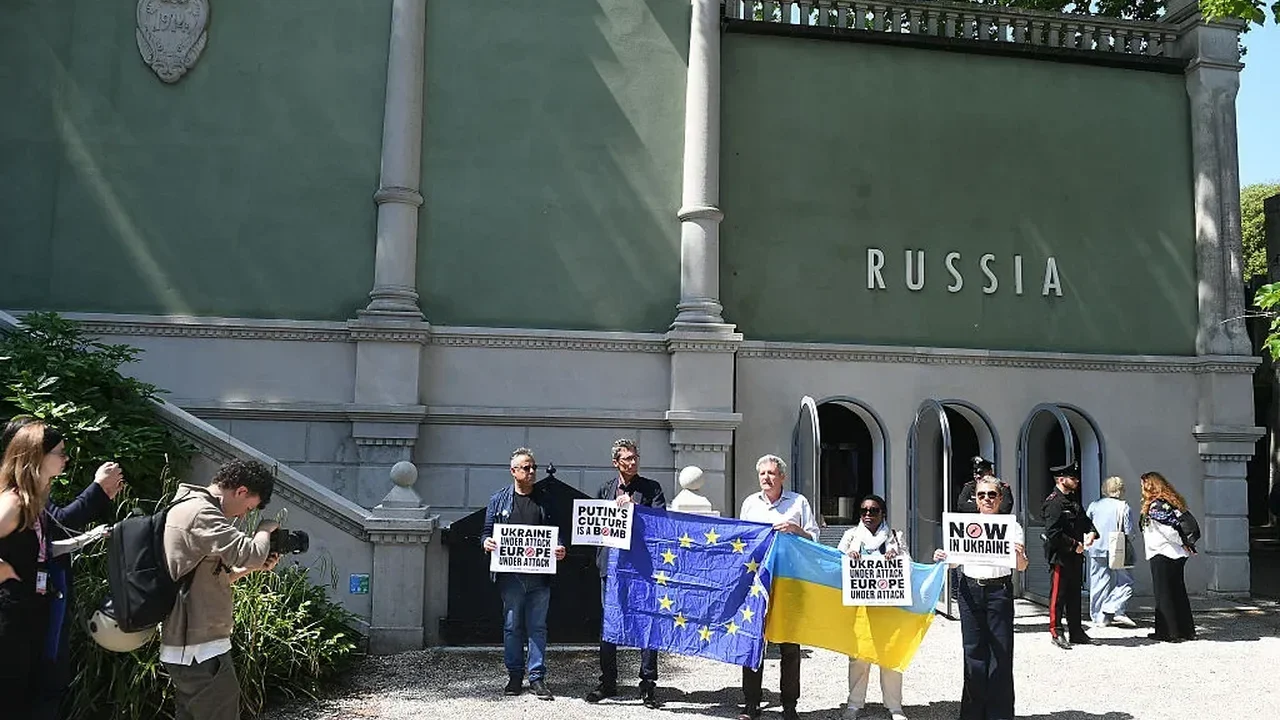
After a two-year hiatus from the Venice Biennale, Russia's national pavilion is set to reopen, as confirmed by its organizers. The pavilion has been closed since the onset of the conflict in Ukraine, during which Russian artists and a Lithuanian curator withdrew their participation, citing the war's emotional toll on the artistic community.
Mikhail Shvydkoy, Russia's delegate for international cultural exchanges, announced that the pavilion will open its doors in May 2026, coinciding with the Biennale's 60th edition. Shvydkoy emphasized that Russia has not retreated from the Venice Biennale, stating, "Our presence is a testament to our ongoing cultural engagement." He described the pavilion as a space for innovative artistic expression, highlighting that it will feature over 50 young musicians, poets, and philosophers.
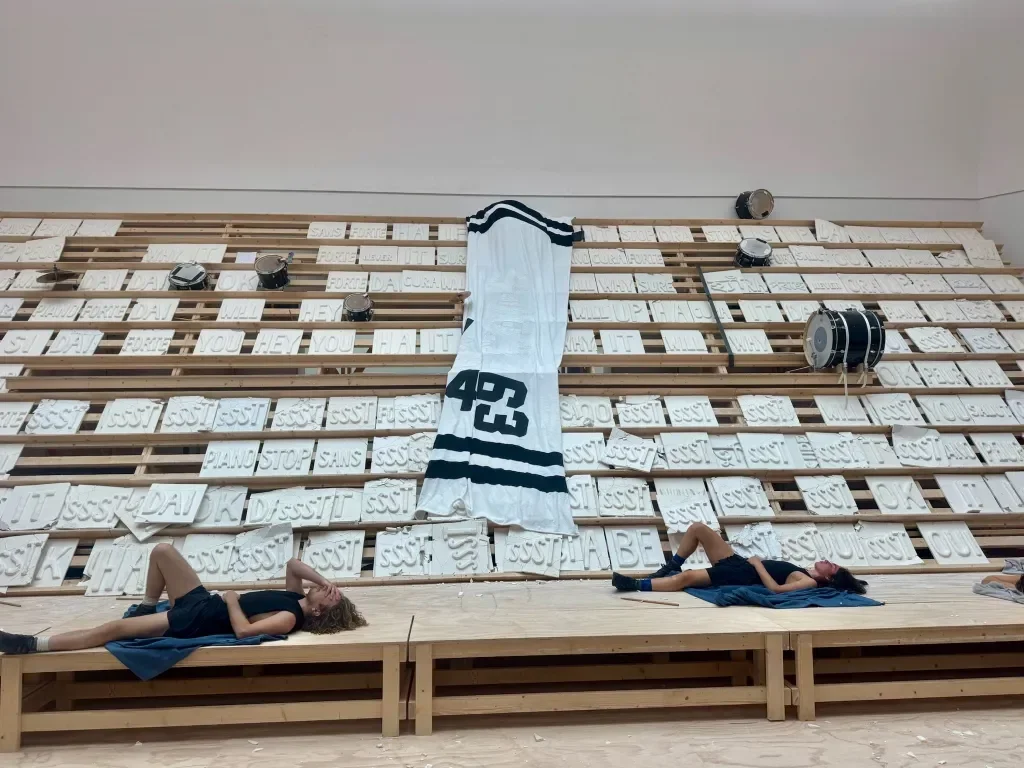
The upcoming exhibition, titled "The Tree is Rooted in the Sky," will explore the enduring nature of culture beyond the transient nature of politics. Shvydkoy noted, "In this project, we aim to prioritize culture over politics, fostering dialogue among diverse cultures." The pavilion will host a musical festival featuring artists from Russia and other nations, including Argentina and Mali, showcasing unique traditions and artistic expressions from various regions.
Shvydkoy pointed out that despite geopolitical tensions and sanctions, Russia remains committed to artistic self-expression. He expressed optimism about the Biennale's leadership, which appears willing to accommodate the Russian pavilion while ensuring the event's integrity.
Moreover, Shvydkoy highlighted the participation of Russian artists in international events, reinforcing the notion that Russian culture continues to thrive despite external pressures. He expressed hope that the reopening of the pavilion would be a positive step for all participating countries, emphasizing a spirit of collaboration and cultural exchange.
In response to inquiries about potential protests during the pavilion's reopening, Shvydkoy acknowledged the possibility of provocations but remained hopeful for a rational approach to cultural engagement. He concluded by affirming the commitment of Russian cultural figures to ongoing cooperation with their international counterparts.