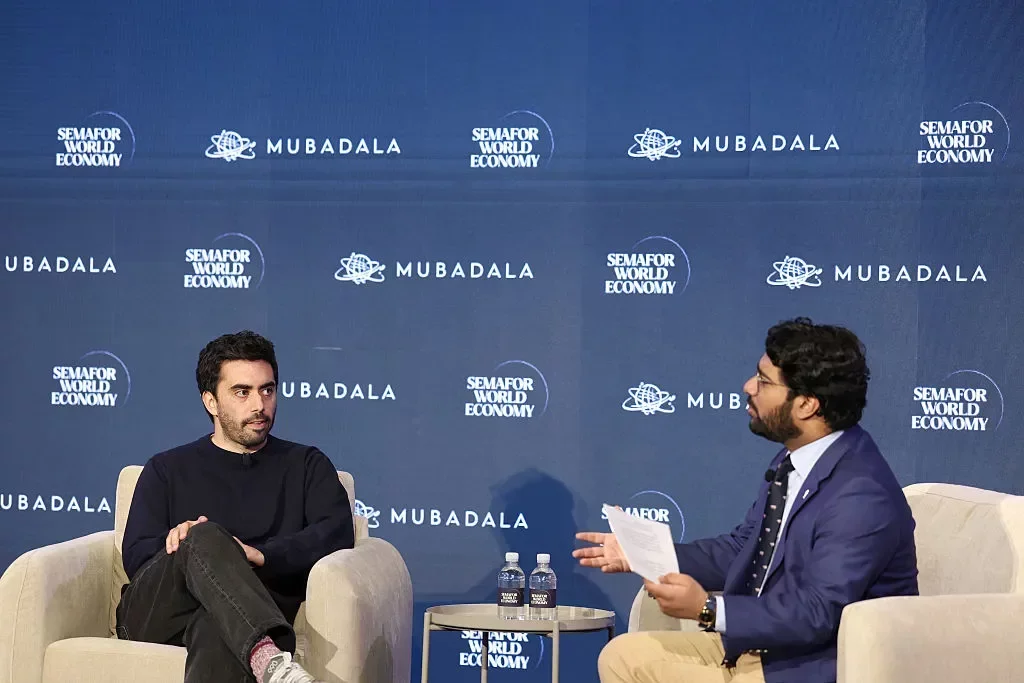
Cristóbal Valenzuela, co-founder and CEO of the AI video-generation company Runway, recently shared his vision for the future of Hollywood at Semafor's World Economy Summit. Valenzuela, whose company is now valued at over $5 billion, proposed a transformative approach to film production: instead of allocating $100 million to create a single blockbuster, studios could produce up to 50 films with the same budget.
"Imagine taking a hundred million dollars and spending it on 50 movies instead of one feature film," Valenzuela stated. "You could maintain the same quality and visual output while significantly increasing content production. This strategy enhances the likelihood of discovering a hit."
This perspective challenges the traditional view of filmmaking as an art form, suggesting that the industry could benefit from a more quantitative approach. Valenzuela believes that by generating a larger volume of content, studios can improve their chances of success in a competitive market.
While acknowledging the ongoing debate about the role of AI in creative fields, he emphasized that perceptions are shifting. "Much of the skepticism surrounding AI stemmed from fear and misunderstanding, but now, more people recognize the potential of these powerful tools," he remarked.
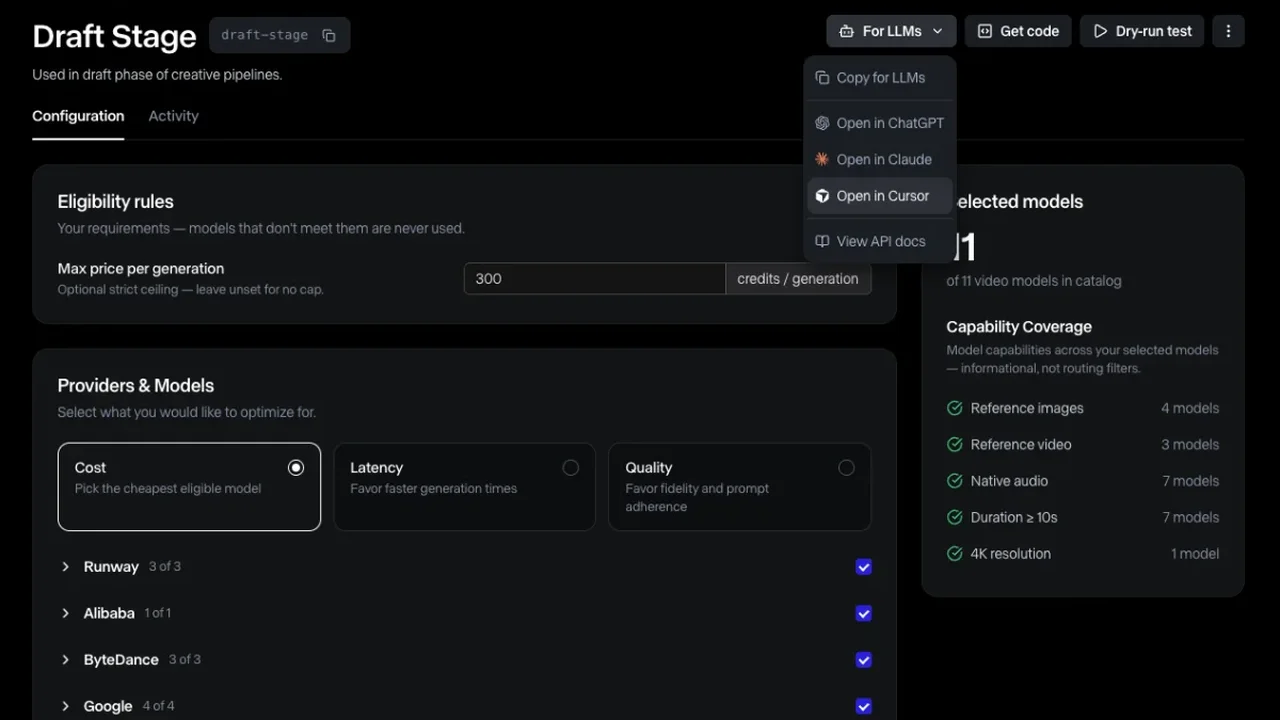
Runway has been developing AI models designed to assist creators in producing work more efficiently. Valenzuela claims that the technology is already helping to reduce production costs across various stages, including pre-production, scripting, and visual effects.
One notable example is the upcoming film "Bitcoin: Killing Satoshi," which is set to be the first studio-quality AI-generated feature. The film's production costs were slashed from an estimated $300 million to $70 million, showcasing the financial benefits of AI integration. Other major players, such as Amazon and Sony Pictures, are also exploring AI to optimize their production processes.
Valenzuela pointed out that AI's influence is pervasive throughout the filmmaking process. "It's everywhere--pre-production, scripting, planning, and execution. This technology is already being deployed at scale," he noted.
Despite the potential for increased content production, some critics argue that merely scaling creativity with AI does not guarantee the creation of exceptional art. Nevertheless, Valenzuela remains optimistic, asserting that the industry is experiencing a "creativity crisis" due to current economic incentives.
He likened the film industry to the book publishing sector, where millions of titles are produced annually, enriching the cultural landscape. "The world benefits from diverse storytelling, even if not every story is widely read or seen," he explained.
Valenzuela believes that AI will empower voices that have previously been unheard, stating, "The best movies are yet to be made because billions of people have not yet had access to this technology." This forward-looking perspective suggests that the integration of AI in Hollywood could lead to a new era of creativity and storytelling.