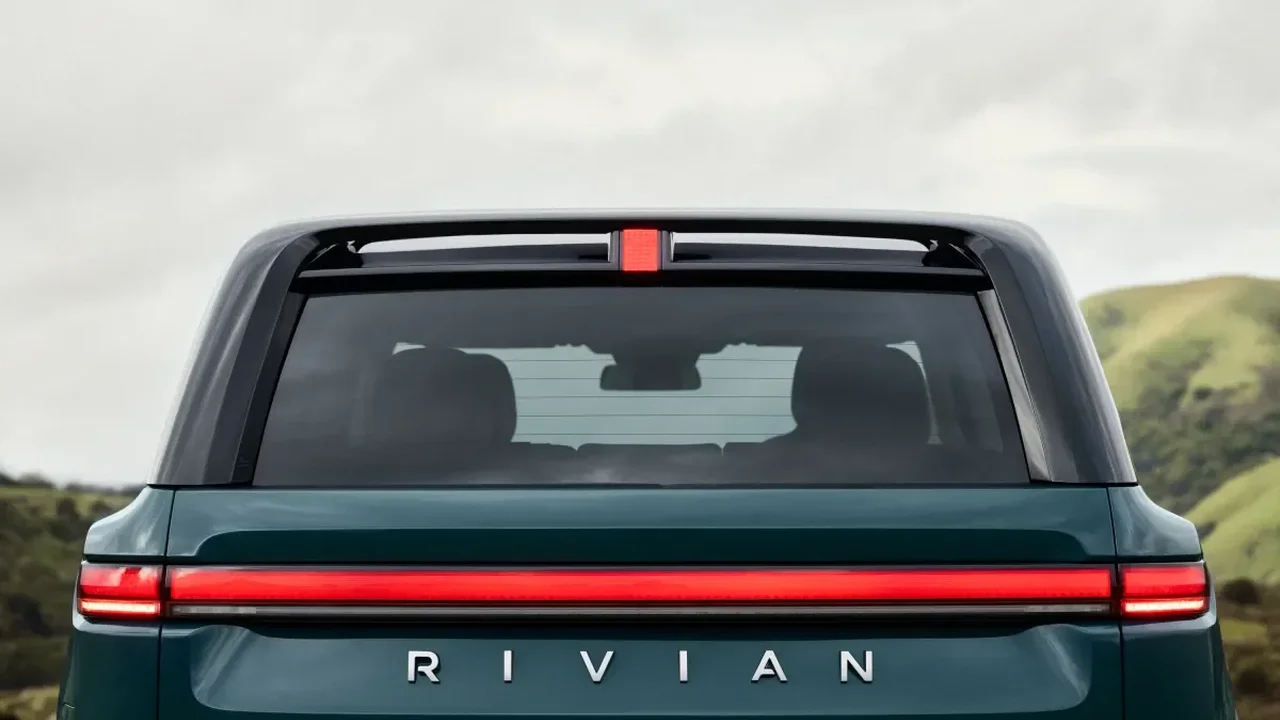
Rivian has taken its tariff dispute to the U.S. Court of International Trade, asking for a full refund of duties paid under the Trump-era "Liberation Day" tariffs, which were later ruled unconstitutional by the Supreme Court.
The electric vehicle maker says the money should be returned with interest, arguing that importers are not automatically guaranteed repayment even after the tariffs were struck down. The case names the U.S. government, U.S. Customs and Border Protection, and Commissioner Rodney Scott.
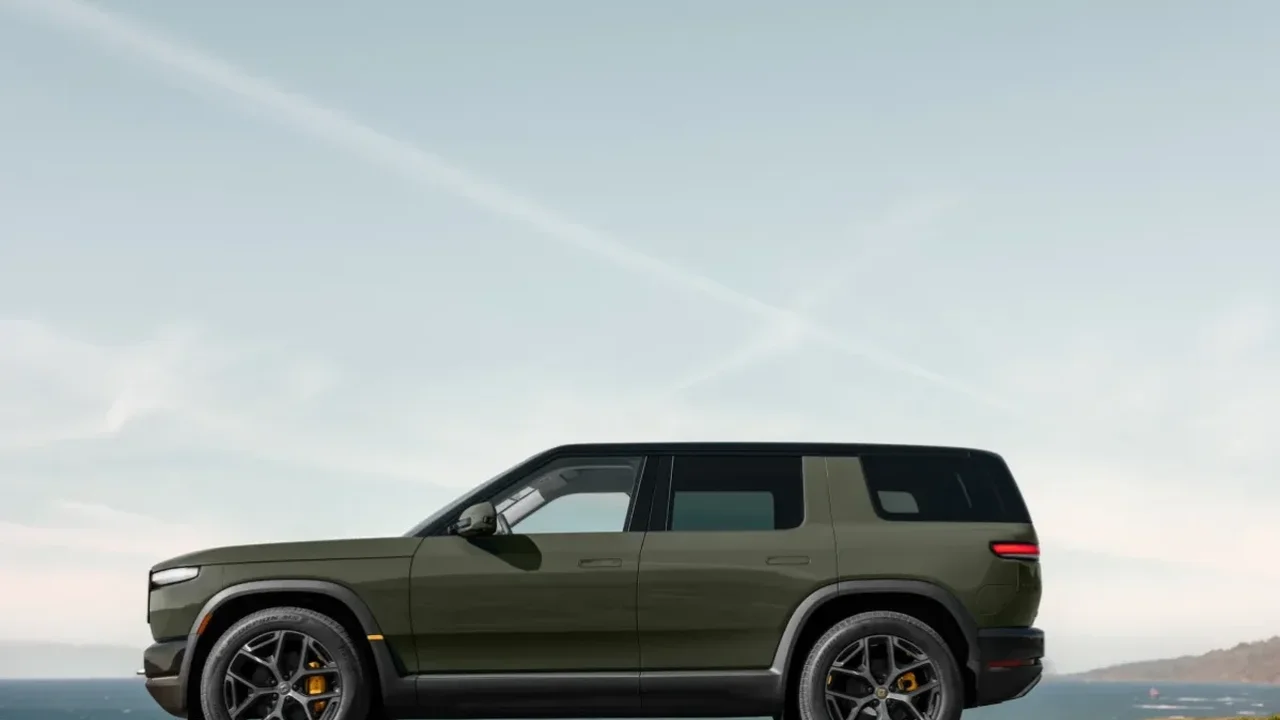
The company is pursuing the refund while scaling up production of its first mass-market SUV, the R2. Rivian expects to deliver about 20,000 to 25,000 units by the end of the year, a milestone it sees as important for its path toward profitability. At the same time, the company continues to invest heavily in autonomous vehicle development and recently raised about $1.3 billion through a share sale to strengthen its cash position.
Rivian has also said tariffs increased vehicle costs, though it has since reduced the impact to a much smaller level. In its filing, the company argues that trade restrictions can affect materials, components, pricing, and long-term business planning.
If successful, the case could shape how major companies recover tariff payments and how future trade policy is managed across global supply chains.