Researchers from the University of Reading, in collaboration with the University of Southampton and Hampshire Hospitals NHS Foundation Trust, have made significant strides in urinary tract infection (UTI) diagnostics. They have introduced a groundbreaking method that analyzes urine samples directly, yielding results in an average of just 5.85 hours. This is a remarkable improvement over traditional laboratory methods, which generally take two to three days to provide the same information.
High Accuracy in Rapid UTI Testing
The study, supported by the National Institute for Health and Care Research (NIHR) and published in the Journal of Antimicrobial Chemotherapy, assessed 352 urine samples from patients suspected of having UTIs. The new testing method demonstrated an impressive 96.95% accuracy when compared to standard laboratory techniques across seven commonly used antibiotics.
A follow-up analysis examined 90 duplicate samples to assess the impact of storage conditions on accuracy. Researchers found a remarkable 98.75% agreement between results, indicating that the use of preservatives did not compromise the test's reliability.
Dr. Oliver Hancox, CEO of Astratus Limited, a spin-off company from the University of Reading, emphasized the importance of timely results: "Current laboratory methods can delay treatment, leading to patients potentially receiving ineffective antibiotics. With same-day results, doctors can prescribe the right treatment sooner, significantly reducing the risk of antibiotic resistance and preventing infections from escalating to serious conditions like sepsis."
Professor Mike Lewis, NIHR Scientific Director for Innovation, remarked on the broader implications of this research: "This innovative, NIHR-funded study could revolutionize UTI treatment while addressing the critical issue of antimicrobial resistance. The rapid urine test exemplifies the practical solutions the government aims to develop as part of its 10-Year Health Plan."
The Importance of Quick UTI Diagnoses
UTIs have led to over 800,000 hospital admissions in England in the last five years, with around one in four urine samples showing resistance to commonly prescribed antibiotics. The NHS analyzes approximately 65 million urine samples annually, highlighting the need for efficient diagnostic methods.
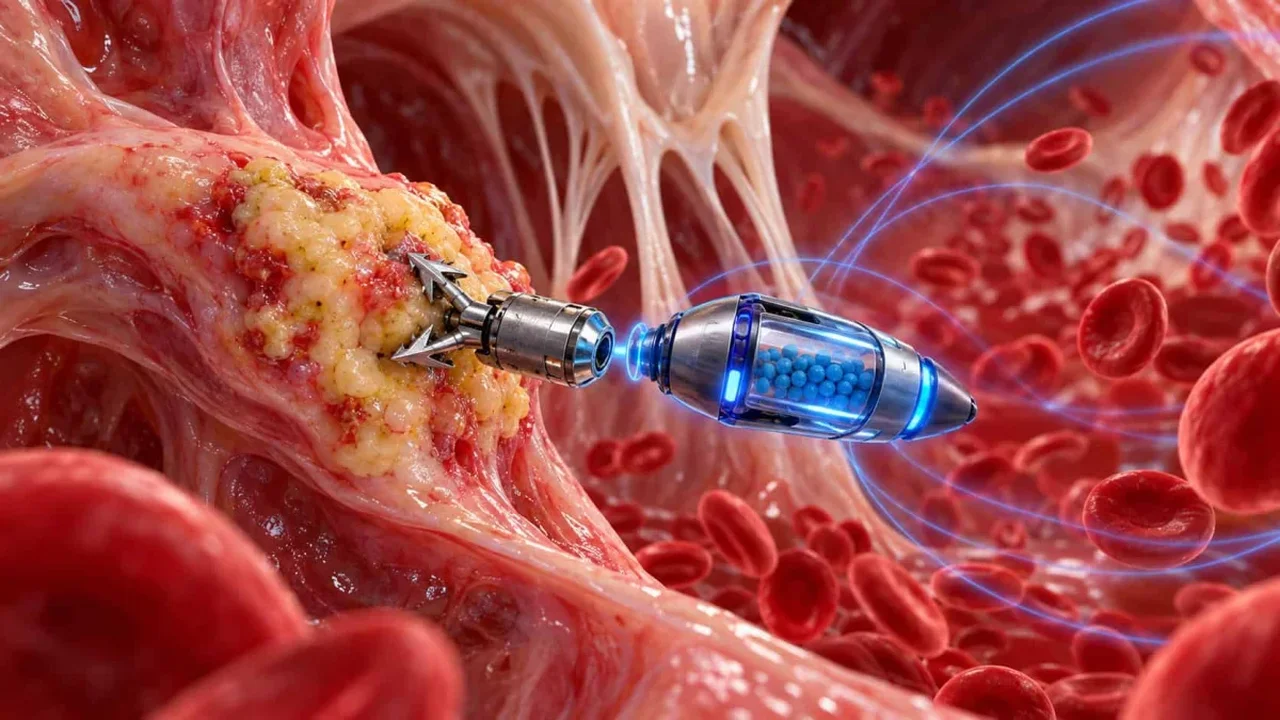
Traditionally, urine samples require overnight culturing to identify bacterial growth, which contributes to delays in treatment. The newly developed method eliminates this step, utilizing a cartridge with preloaded antibiotics that is inserted directly into the urine sample. Optical imaging technology monitors bacterial growth in real-time, allowing for effective treatment identification in under six hours.
Professor Matthew Inada-Kim, an acute physician and AMR Lead at Hampshire Hospitals NHS Foundation Trust, noted the test's potential impact: "UTIs are a prevalent reason for antibiotic use, and ensuring the right treatment from the outset can be crucial for patient outcomes. A same-day test using standard samples could transform UTI management in clinical settings."
Groundbreaking Study on Sample Preservation
This research represents a pioneering effort in comparing preserved and unpreserved urine samples using a rapid testing method, confirming the reliability of the new approach. The findings mark a significant advancement for Astratus Limited, which aims to bring this innovative test to market.