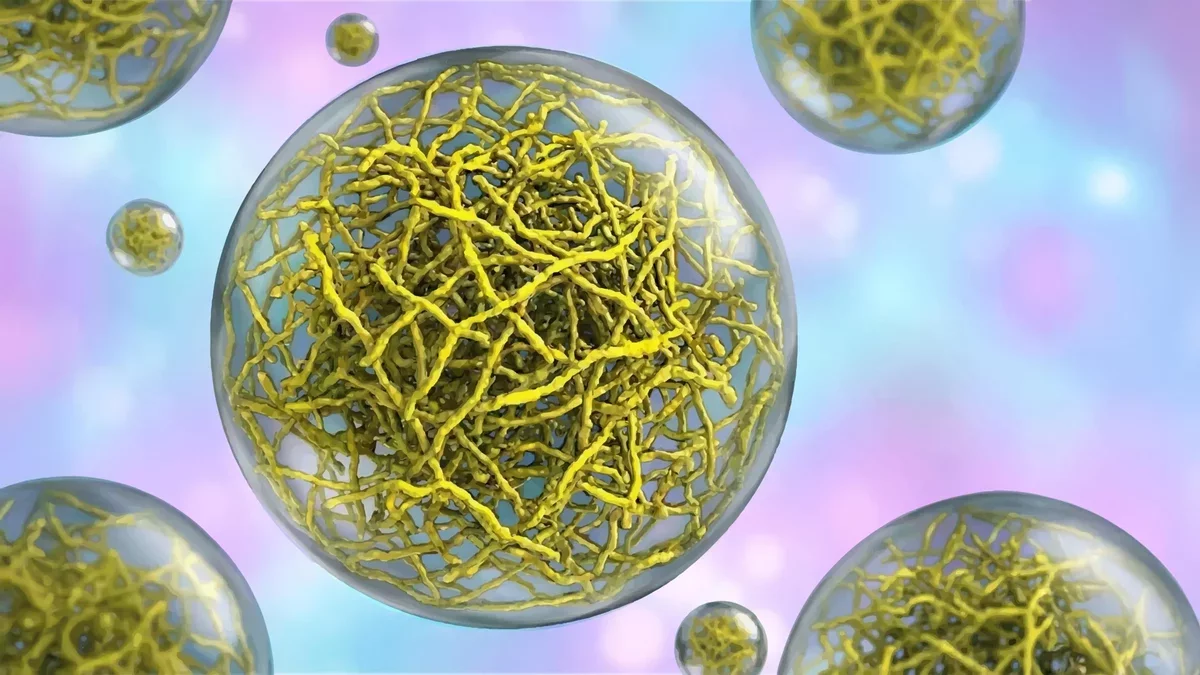
A groundbreaking study published in Nature Structural and Molecular Biology reveals a significant shift in our understanding of cellular condensates. Researchers at Scripps Research have uncovered that these structures are not mere random aggregates but are instead composed of intricate networks of thin protein filaments. This defined architecture is essential for their functionality, offering new avenues for addressing diseases like cancer and neurodegenerative conditions.
Keren Lasker, an associate professor at Scripps Research and the study's senior author, highlights the implications of this finding: "Previously, targeting condensates therapeutically was challenging due to their perceived lack of structure. Our research shows that some condensates possess an internal framework, which is crucial for their function, enabling us to target these structures similarly to how we approach individual proteins."
Investigating the PopZ Protein
The team focused on the bacterial protein PopZ, which plays a vital role in cell division by gathering at the poles of rod-shaped bacteria. The condensates formed by PopZ organize other proteins necessary for this process.
Utilizing cryo-electron tomography (cryo-ET), akin to a CT scan but at the molecular level, the researchers observed that PopZ proteins assemble into filaments through a systematic process. These filaments create a scaffold that defines the physical properties of the condensates.
Dynamic Protein Behavior
Further analysis revealed that PopZ molecules exhibit different shapes depending on their environment. Through single-molecule Förster resonance energy transfer (FRET), the team discovered that the protein assumes one conformation outside a condensate and another within it. "Understanding how protein shape varies with location opens new possibilities for engineering cellular functions," states Daniel Scholl, the study's first author.
Importance of Filament Structure
To determine whether the filamentous structure was essential for cellular life, the researchers created a mutant PopZ that could not form filaments. This alteration resulted in more fluid condensates with reduced surface tension. In living bacteria, these changes halted growth and disrupted DNA separation, underscoring the critical role of condensate structure in cellular operations.
Broader Implications
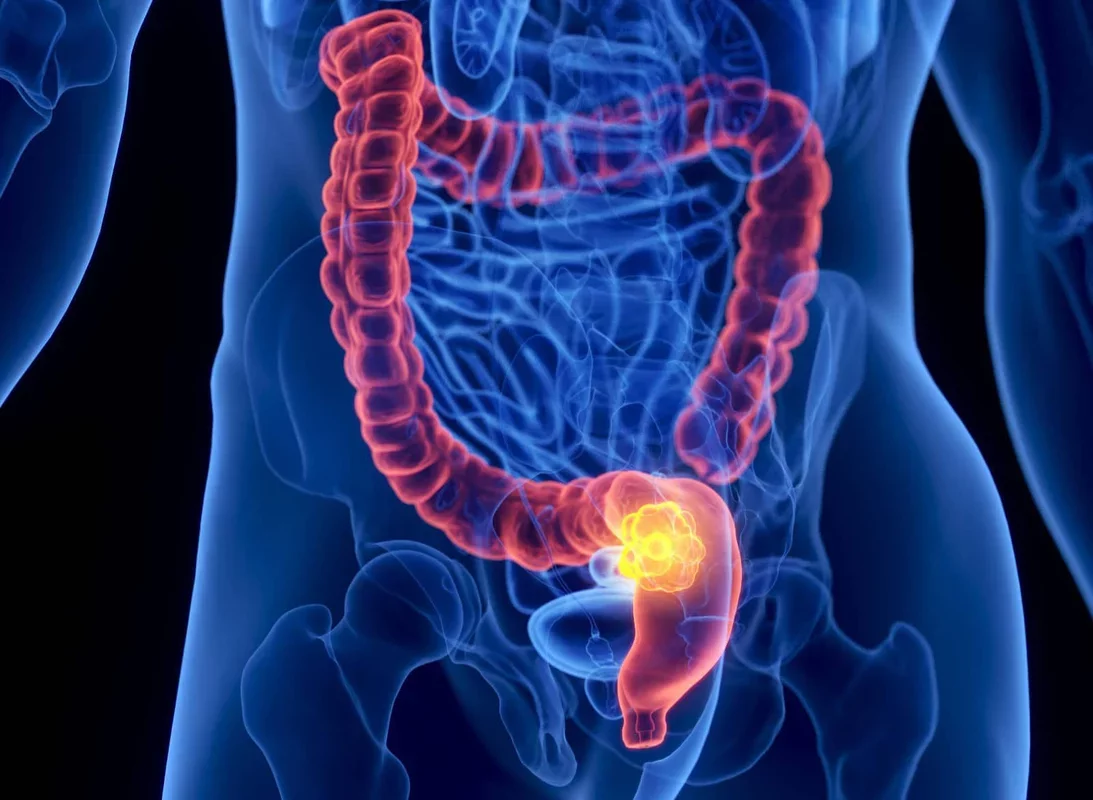
While the study focused on bacteria, its findings extend to human cells, where filament-based condensates perform crucial functions such as eliminating damaged proteins and regulating cell growth. Disruptions in these processes can lead to neurodegenerative diseases like ALS and various cancers.
Lasker concludes, "By demonstrating that the architecture of condensates is both definable and essential for function, we open the door to developing therapies that directly target these structures to rectify the disorganization that contributes to disease."