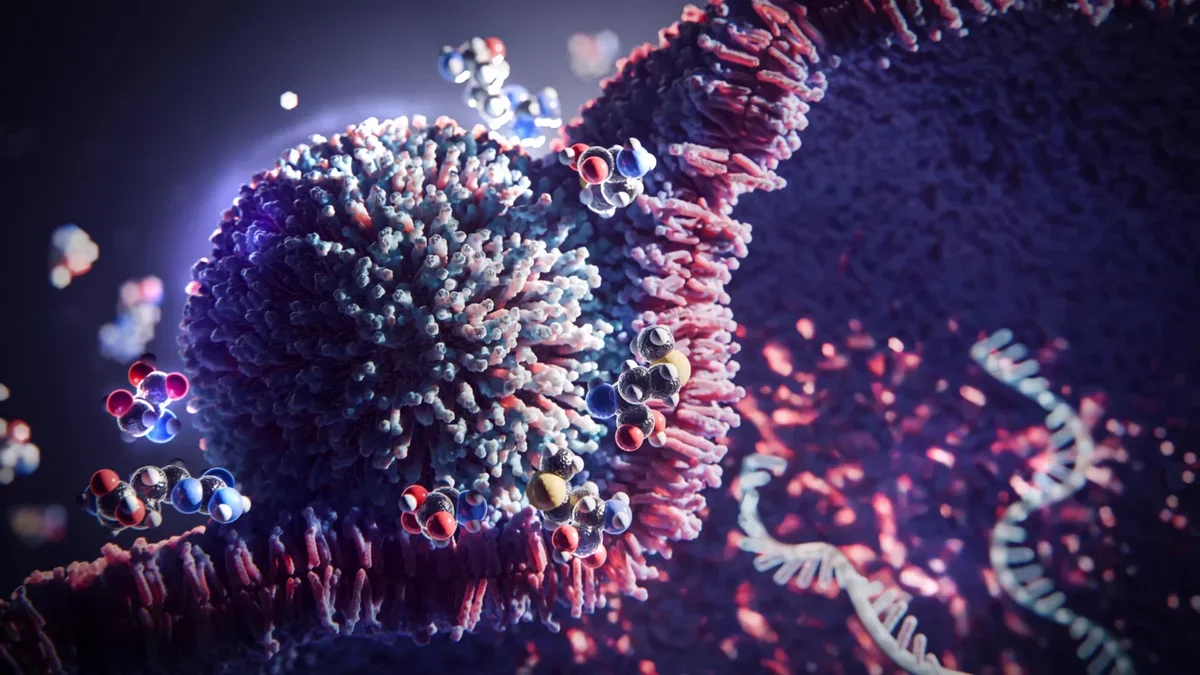
Despite significant advancements in medical research, a persistent challenge remains in the effectiveness of lipid nanoparticles (LNPs) for delivering mRNA therapies. While laboratory conditions yield promising results, real-world biological environments significantly hinder their performance.
Breakthrough Discovery by Biohub Researchers
A groundbreaking study from a team at Biohub, led by Dr. Daniel Zongjie Wang and Dr. Shana O. Kelley, has unveiled a simple yet effective solution. Published in Science Translational Medicine, their research demonstrates that supplementing LNPs with three common amino acids--methionine, arginine, and serine--can substantially improve mRNA delivery. This innovative combination has been shown to boost delivery efficiency by up to 20 times and enhance CRISPR gene editing success rates from approximately 25% to nearly 90% after just one dose.
"The future of medicine increasingly relies on gene editing and mRNA therapies, which depend on effective LNPs to penetrate cells," stated Kelley, who leads bioengineering at Biohub in Chicago. "Our approach could enhance any LNP formulation currently in development."
The research stems from a broader initiative to study biological processes under conditions that closely mimic the human body. "This inquiry led us to a surprisingly straightforward solution that could significantly elevate the effectiveness of various mRNA and gene editing therapies," Wang explained, emphasizing the importance of understanding LNP behavior in physiological contexts.
Understanding Metabolic Limitations
Traditionally, efforts to enhance LNP performance have concentrated on redesigning the nanoparticles themselves. Researchers have experimented with countless lipid combinations and leveraged artificial intelligence to find optimal formulations. However, clinical outcomes have often been disappointing.
The Biohub team shifted their focus, investigating whether cellular uptake limitations were due to the cells themselves. They discovered that the metabolic state of the cells plays a crucial role in LNP absorption. In lab conditions rich in nutrients, cells exhibit high uptake, but when grown in environments mimicking human blood plasma, uptake plummets by 50-80%.
This revelation prompted the researchers to create a targeted supplement of the three amino acids. When administered alongside LNPs, they observed remarkable increases in protein production from delivered mRNA--ranging from five to twenty times across various cell types, both in vitro and in vivo.
Promising Results in Animal Models
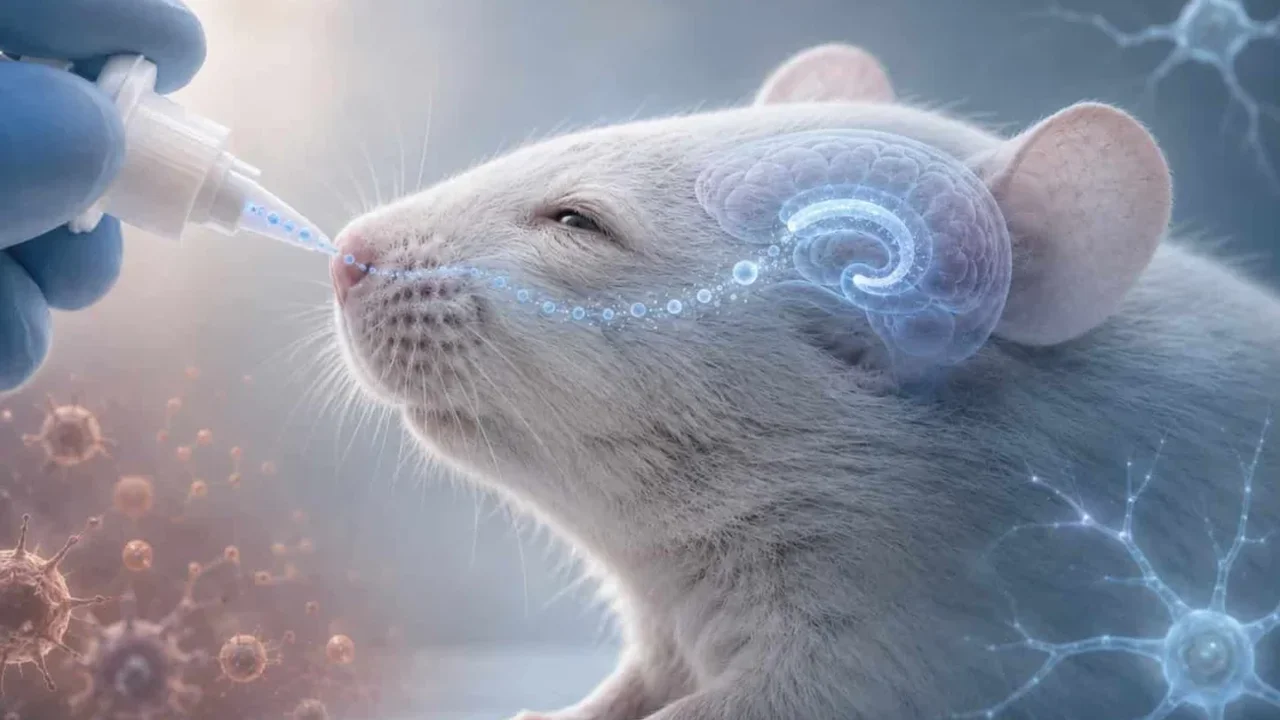
The team conducted tests using disease models, including a mouse model for acetaminophen-induced acute liver failure. Mice treated solely with LNPs exhibited a survival rate of only 33%. However, when combined with the amino acid supplement, survival soared to 100%, with therapeutic protein levels rising nearly ninefold.
In another experiment involving CRISPR-Cas9 delivery to mouse lungs, gene editing efficiency jumped from 20-30% to an impressive 85-90% with the amino acid mixture, a crucial advancement for conditions such as cystic fibrosis.
Pathway to Clinical Application
This discovery holds significant potential for clinical applications, as the amino acids used are already widely produced and considered safe. Unlike other methods that necessitate complex modifications to nanoparticles or cells, this straightforward approach could easily be integrated into existing therapies.
By prioritizing cellular biology over nanoparticle redesign, researchers may have unlocked a transformative pathway for maximizing the potential of mRNA therapies and gene editing technologies in future medicine.