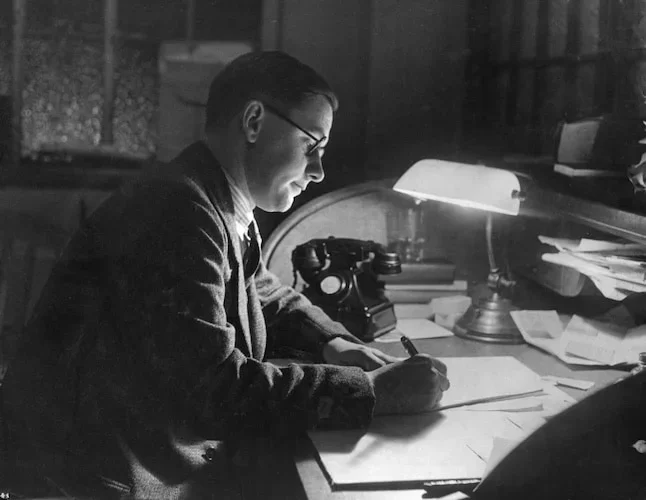
Many of us can recall a time when writing letters to friends and family was a cherished activity. In the early days of email, lengthy messages were common, filled with personal anecdotes and thoughtful reflections. However, in today's fast-paced digital world, the trend has shifted dramatically. Many struggle even to respond to brief messages, often postponing quick replies to texts and emails.
This decline in communication can be linked to our diminishing attention spans. With an abundance of bite-sized content at our fingertips, dedicating time to meaningful correspondence can feel overwhelming. Yet, this sensation of being inundated is not entirely new. In fact, previous generations faced their own challenges with a significant volume of letters. Historical figures like Thomas Jefferson devoted hours each day to managing their correspondence, viewing it as a vital duty rather than a chore.
Our perception of communication has changed; responding to messages is often treated as a secondary task, squeezed in between more pressing responsibilities. In contrast, those in the past regarded letter-writing as an essential aspect of daily life. For instance, Charles Darwin allocated specific times during his day for handling letters, integrating it into his routine with family support. This structured approach not only kept him organized but also emphasized the importance of maintaining connections.
Many prominent individuals, such as Albert Einstein and W.B. Yeats, reserved time for correspondence after their primary work, recognizing it as a necessary yet less demanding task. Some even turned it into a comforting ritual, winding down their day by engaging with their mail.
In our current landscape, where messages can arrive at any hour, the expectation to respond immediately can be daunting. However, consolidating communication into a designated "correspondence hour" might be the solution. By setting aside a specific time each day to address emails and texts, you can enhance your focus and efficiency, ensuring that no one is left waiting for a reply.
This practice not only alleviates mental clutter but also fosters a sense of social responsibility. While the urgency of every message may not warrant immediate attention, establishing a routine for responses can elevate your communication skills and strengthen relationships.
Embracing the concept of a correspondence hour can transform the way we interact in our digital age. By recognizing the value of thoughtful communication and integrating it into our daily schedules, we can cultivate stronger connections and become more engaged members of our communities.