A new collaborative effort involving Corewell Health, Michigan State University, and the nonprofit biotech organization Every Cure is bringing fresh hope to children suffering from a rare genetic disorder.
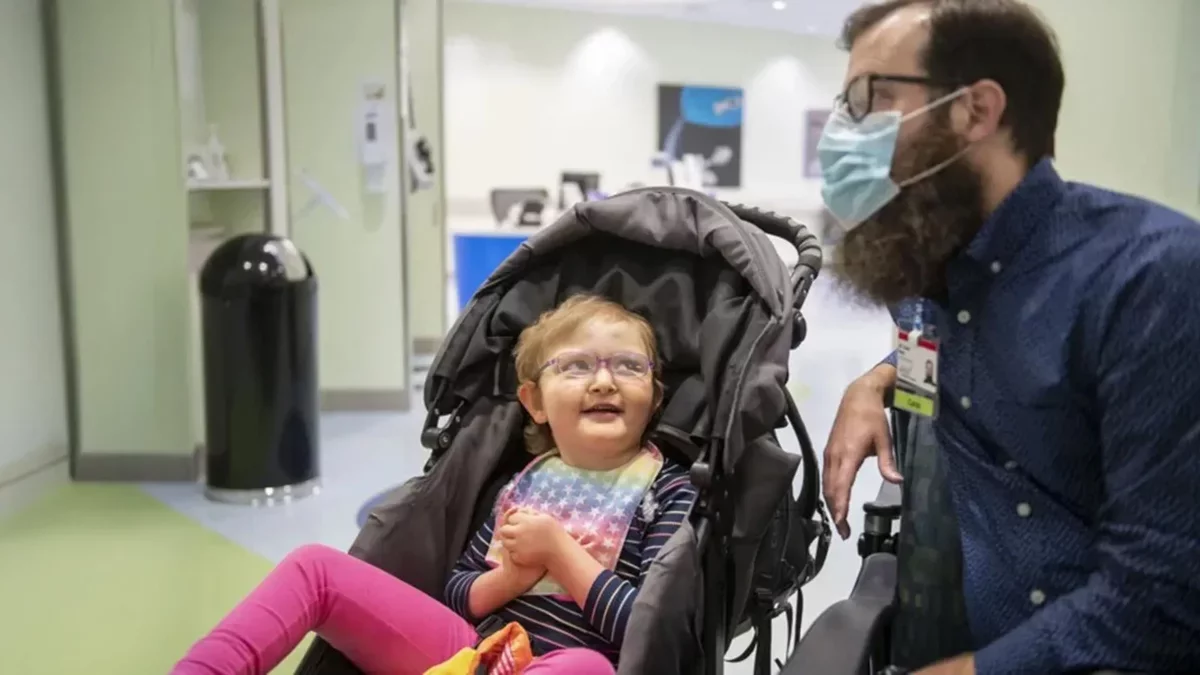
Dr. Caleb Bupp, a pediatric geneticist at Corewell Health Helen DeVos Children's Hospital in Grand Rapids, Michigan, expressed optimism about the partnership, stating, "Every Cure is opening doors that we never would have been able to crack open. It's a hopeful and exciting time for all of us and more importantly, our patients."
Introducing DFMO: A Versatile Drug
The drug in question, difluoromethylornithine (DFMO), has a significant medical history. Originally used to combat West African sleeping sickness, it also aids in reducing unwanted facial hair in women and in preventing neuroblastoma recurrence.
Researchers at Corewell Health and Michigan State University have identified DFMO's potential in treating Bachmann-Bupp syndrome (BABS), a condition characterized by developmental delays and other serious symptoms. Initial treatments have already been administered to a few patients under an FDA-approved investigational protocol.
Understanding Bachmann-Bupp Syndrome
BABS arises from mutations in the ODC1 gene, leading to developmental challenges such as low muscle tone and hair loss. DFMO targets this genetic pathway by inhibiting the ODC protein, which reduces the excessive activity caused by the mutation. Early results from treated patients indicate improvements in several symptoms.
Dr. André Bachmann, a pediatrics professor at MSU, noted, "It was a chance encounter with Dr. Bupp that allowed us to apply DFMO to a patient -- and now five others -- with promising early results."
Overcoming Challenges
Despite these encouraging results, the path forward is fraught with challenges. The rarity of BABS, with only about 20 documented cases globally, complicates awareness and large-scale studies. Regulatory hurdles and the intricacies of clinical trials have also hindered progress. While the FDA has encouraged further trials, defining study objectives and recruiting enough patients remain significant obstacles.
"For the past year, we've been at a standstill as far as moving our DFMO therapy forward," Dr. Bupp remarked.
Accelerating Research Through Partnership
Every Cure aims to mitigate these challenges by enhancing scientific evidence, raising awareness among medical professionals and rare disease advocates, and ensuring that patients receive appropriate diagnoses and treatments as research progresses.
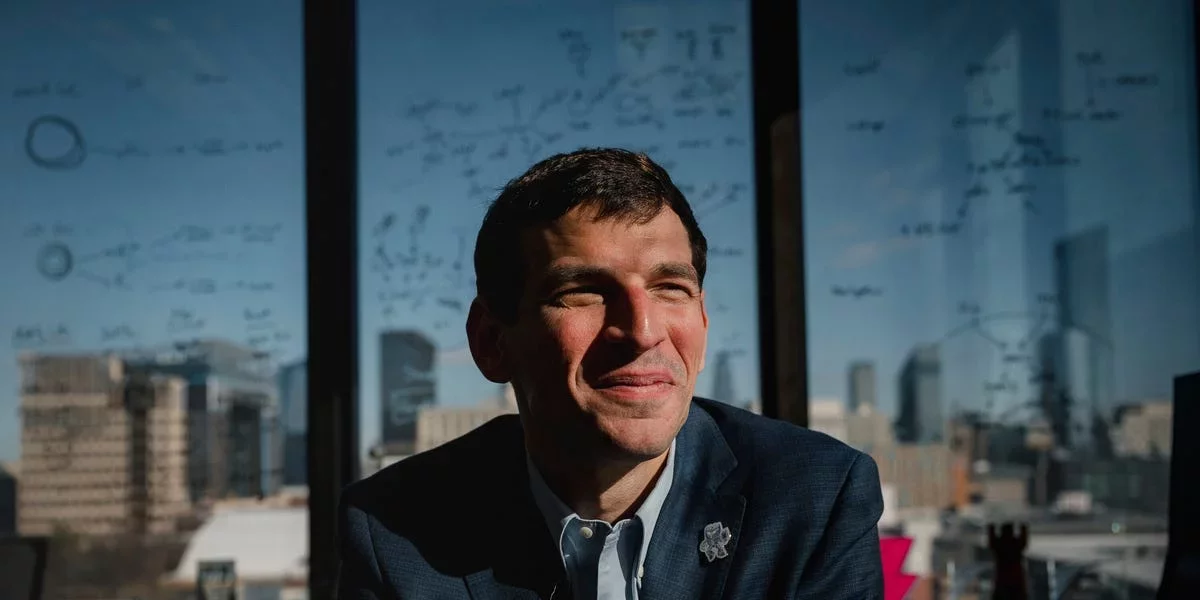
David Fajgenbaum, M.D., co-founder and president of Every Cure, stated, "Our role is to bridge the gap by strengthening the evidence behind BABS and DFMO through preclinical studies and ensuring that no child goes undiagnosed or untreated."
This collaboration is building on years of foundational research led by Drs. Bachmann and Bupp, along with their colleagues. A preclinical study is slated to commence next year, marking a pivotal step towards making this innovative therapy accessible to more patients.