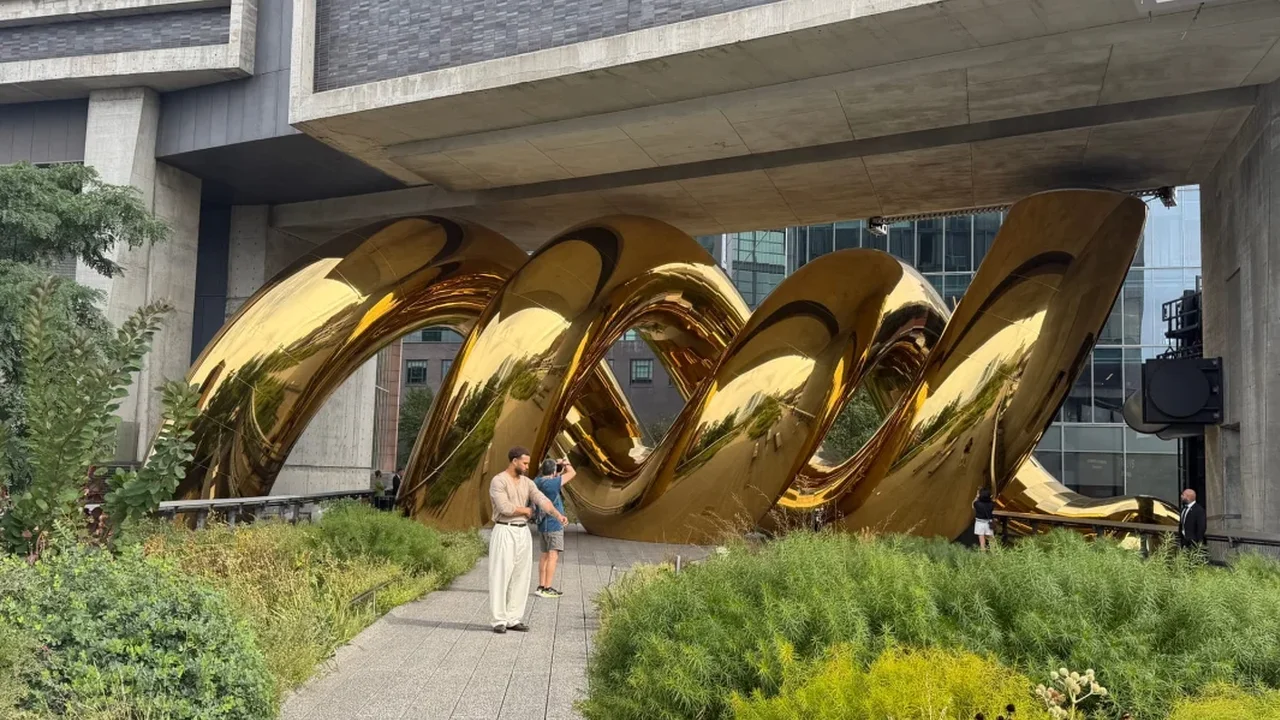
In an inspiring artistic endeavor, the High Line has unveiled a remarkable 27-foot-tall Buddha statue, symbolizing a revival of cultural heritage that was lost during the destruction of the Bamiyan Buddhas in Afghanistan. This monumental piece not only serves as a tribute to the original statues but also stands as a beacon of hope and resilience in the face of cultural erasure.
The installation of the Buddha on the High Line is a significant step in promoting cultural dialogue and appreciation. As a part of this initiative, the artwork invites visitors to reflect on the importance of preserving historical artifacts and the stories they carry. The statue's presence in New York City encourages a deeper understanding of the rich tapestry of global cultures and the need to protect them.
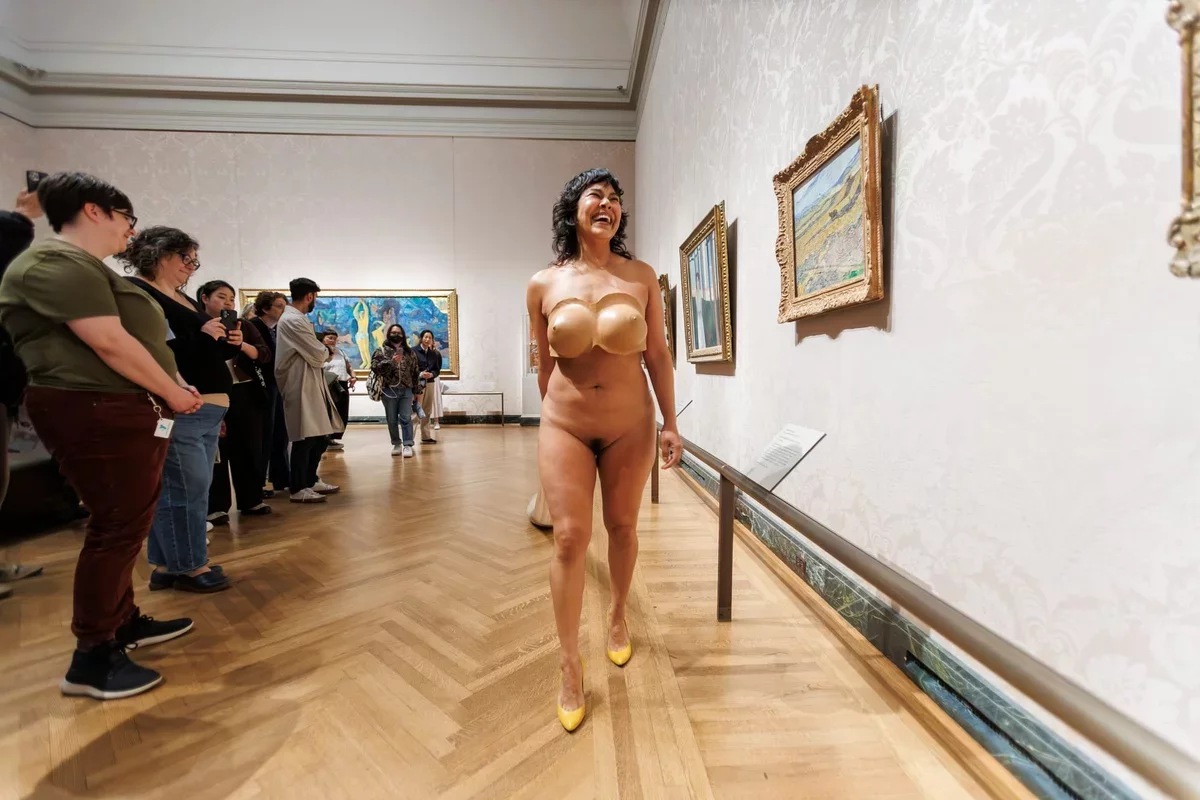
Artist Xandra Ibarra's recent performance, "Nude Laughing," at the Museum of Fine Arts in Boston also sparked important conversations about art, consent, and the human body. Ibarra's work challenges societal norms and invites viewers to engage with art in a more profound way. These events highlight the ongoing evolution of contemporary art and its role in shaping cultural narratives.
On Wednesday, there will be a fascinating conversation between Hrag Vartanian, Editor-at-Large, and Jeremy Frey, an Indigenous weaver and MacArthur fellow. They will delve into the intricate process of basket weaving, merging craft, design, and contemporary art, from the harvesting of materials to the final museum installations. This dialogue promises to illuminate the connections between traditional practices and modern artistic expressions.
The integration of such diverse artistic expressions in public spaces not only enriches the cultural landscape but also fosters community engagement. As art continues to evolve, it serves as a powerful tool for storytelling, bridging gaps between different cultures and generations.
Looking ahead, the installation of the Buddha and the vibrant performances by artists like Ibarra signal a promising future where art becomes a catalyst for cultural preservation and dialogue. By embracing these transformative experiences, we can inspire future generations to appreciate and protect our shared cultural heritage.