Upon receiving a press release for a new documentary titled Georgia O'Keeffe: The Brightness of Light, set to debut around Mother's Day, I was struck by the disconnect. What relevance does this date hold for an artist who never embraced motherhood? While some experts in the film suggest she yearned for children, the evidence is tenuous at best, hinging on the fact that she was a woman in her early thirties--a time when societal expectations often pressured women into motherhood.
O'Keeffe, however, was not an ordinary woman. She famously declared, "I'm going to live a different life from you girls. I'm going to give up everything to make art." This commitment to her craft is often overshadowed by the narrative of her being a feminist icon. The question arises: does this focus stem from our struggle to celebrate women outside traditional roles, or simply because she painted flowers?
The documentary, which will be available on Apple TV starting June 1, aims to delve deeper into O'Keeffe's life and artistry, steering away from the simplistic "girl-boss" portrayal. It offers a rich tapestry of insights for both ardent fans and those curious about her legacy. Yet, as one historian notes, she has become a symbol more than an artist, and the film navigates this delicate balance.
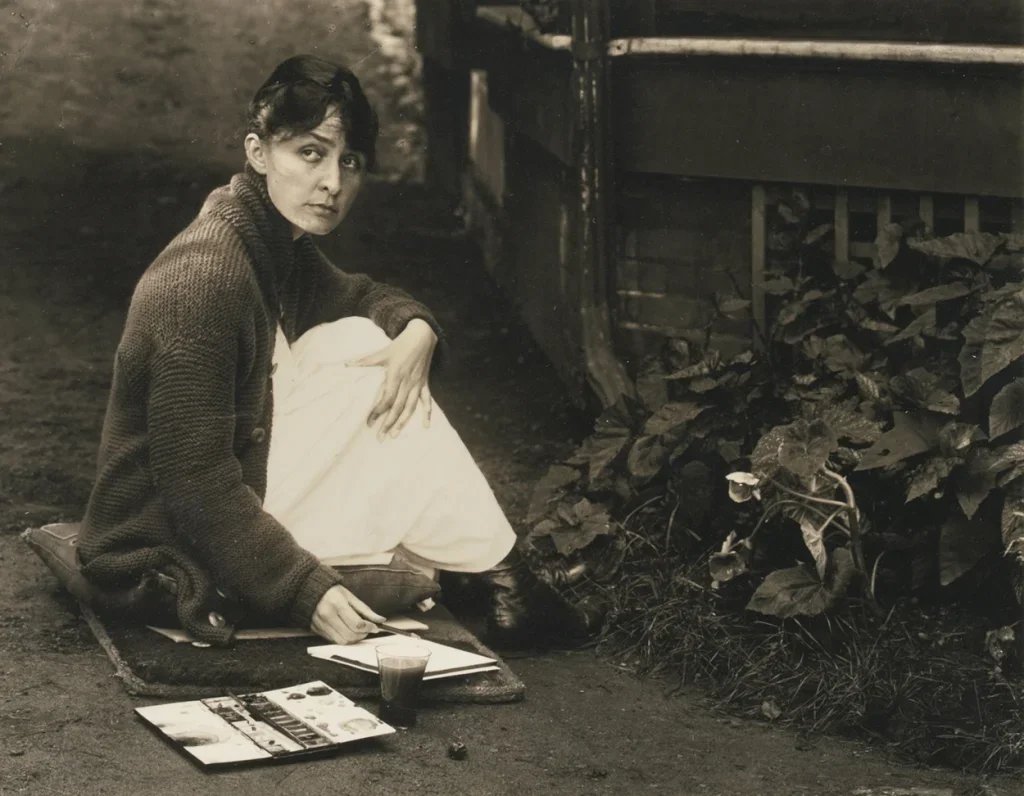
Artist documentaries can be challenging, but O'Keeffe's story is compelling due to the intertwining of her life and work. Director Paul Wagner effectively captures her complex relationship with Alfred Stieglitz, her husband and gallerist, as well as her disdain for the often sexualized interpretations of her art. Stieglitz's early photographs of O'Keeffe, showcasing her unique beauty, were sensational but complicated their artistic relationship.
Despite their intimate connection, Stieglitz's missteps in exhibiting her work--such as displaying a vertical painting horizontally--led to unintended interpretations. O'Keeffe's frustration with the male gaze and its implications on her art pushed her to abandon abstraction in favor of more stylized representations, particularly of flowers.
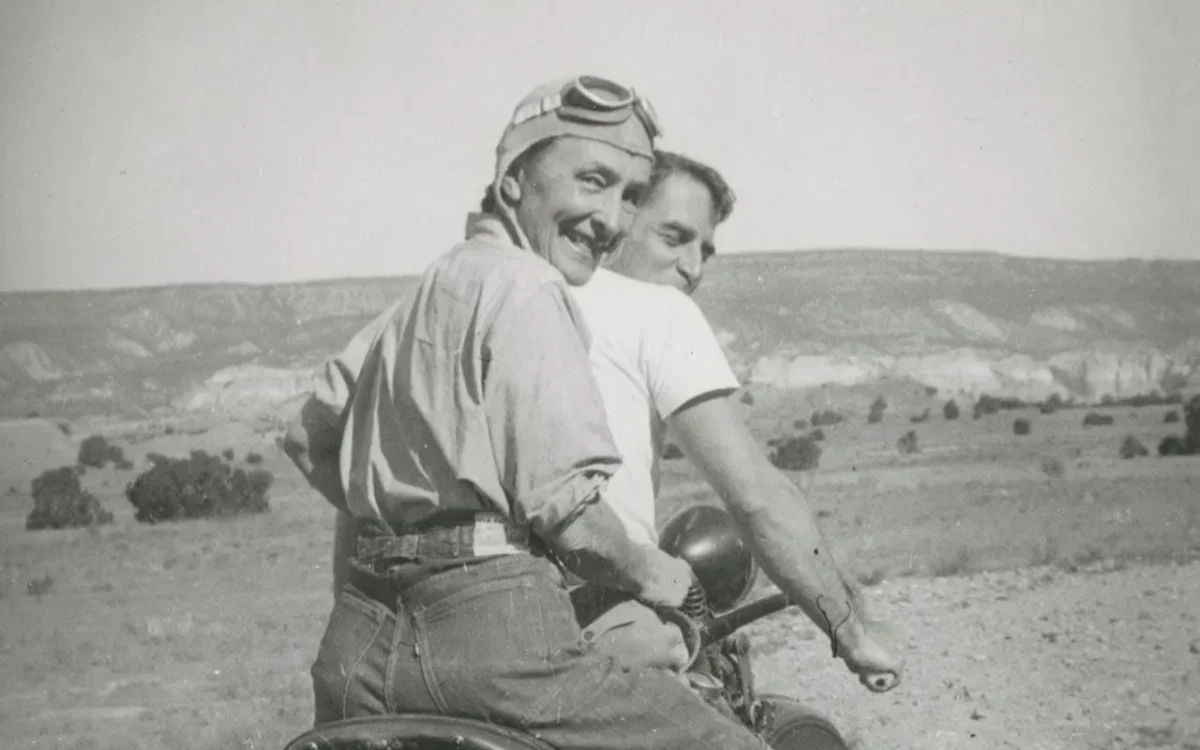
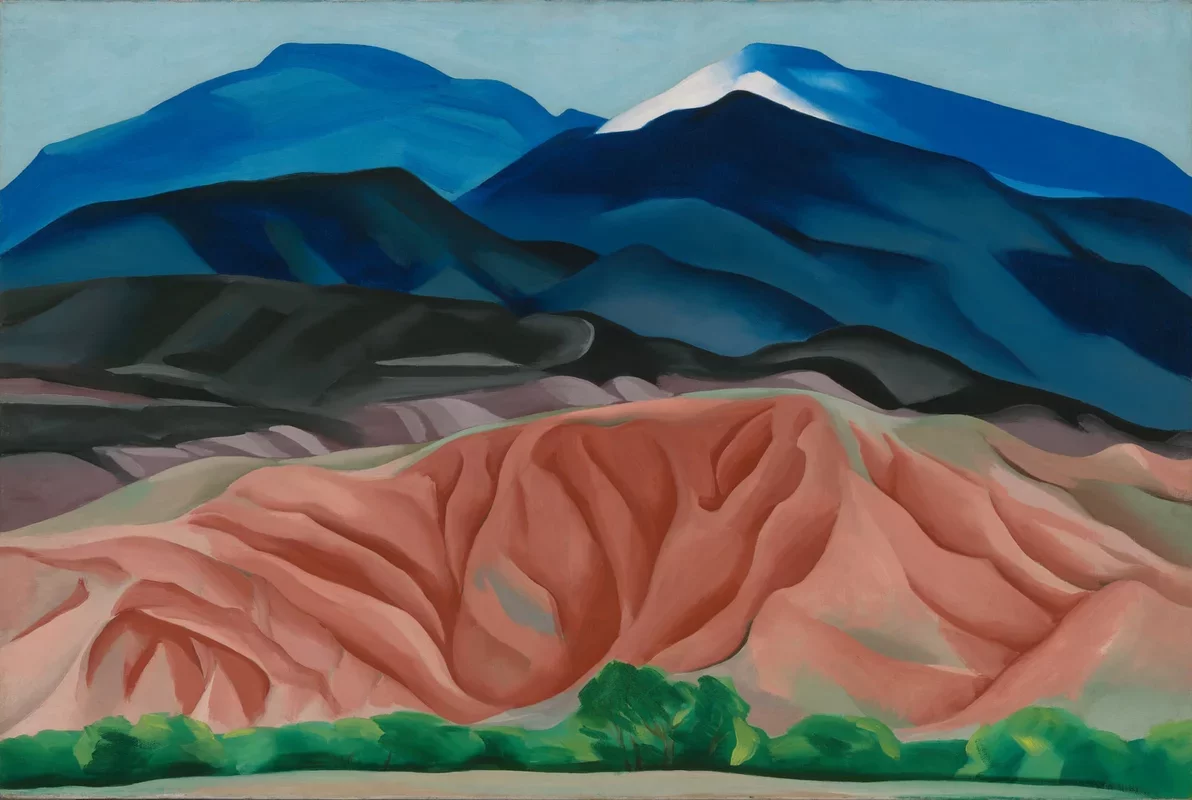
As their relationship evolved, O'Keeffe found herself increasingly isolated, especially after Stieglitz began a new relationship. She retreated to New Mexico, where her iconic works emerged, yet the documentary glosses over her later years, suggesting that her blindness limited her creativity. However, contemporary artists like Emilie Louise Gossiaux demonstrate that profound creativity can flourish despite visual impairment.
The film concludes by positioning O'Keeffe as an icon of the feminist movement, thoughtfully addressing the generational divides within feminism. Her brand of rugged individuality was hard-earned, and it raises pertinent questions about how we appreciate her legacy today, especially in the context of evolving discussions around disability justice.
Ultimately, while the documentary strives for depth, it occasionally falls into the trap of reducing O'Keeffe to a mere symbol, despite its good intentions. This complexity invites us to reconsider how we celebrate her multifaceted contributions to art and culture.