The financial toll of climate change is more significant than previously estimated, particularly when considering its effects on marine ecosystems. The concept known as the social cost of carbon quantifies the monetary damages linked to increased carbon emissions. A recent study has revealed that incorporating the ocean's role in this equation nearly doubles the estimated costs.
Traditionally, assessments of the social cost of carbon have overlooked the ocean's contributions, focusing mainly on land-based impacts. However, a team led by climate scientist Bernie Bastien-Olvera from the National Autonomous University of Mexico has published groundbreaking research in Nature Climate Change, demonstrating the ocean's critical significance in these calculations.
Bastien-Olvera emphasized the importance of recognizing the ocean economy, stating, "Once you see it, you cannot unsee it." The study indicates that when marine ecosystem impacts are factored in, the social cost of carbon escalates to $97 per ton of carbon dioxide, compared to $51 when only terrestrial ecosystems are considered.
Incorporating Marine Ecosystems
Previous calculations of the social cost of carbon primarily focused on economic repercussions related to property, agriculture, and human health. While some marine factors were acknowledged, they often centered on the ocean's carbon absorption capacity. The new research fills this significant gap, as highlighted by both the National Academies of Sciences and the U.S. Environmental Protection Agency.
As greenhouse gas emissions rise, the ocean undergoes substantial changes, including shifts in marine chemistry and rising temperatures. These alterations lead to serious challenges such as ocean acidification, coral reef degradation, and ecological imbalances.
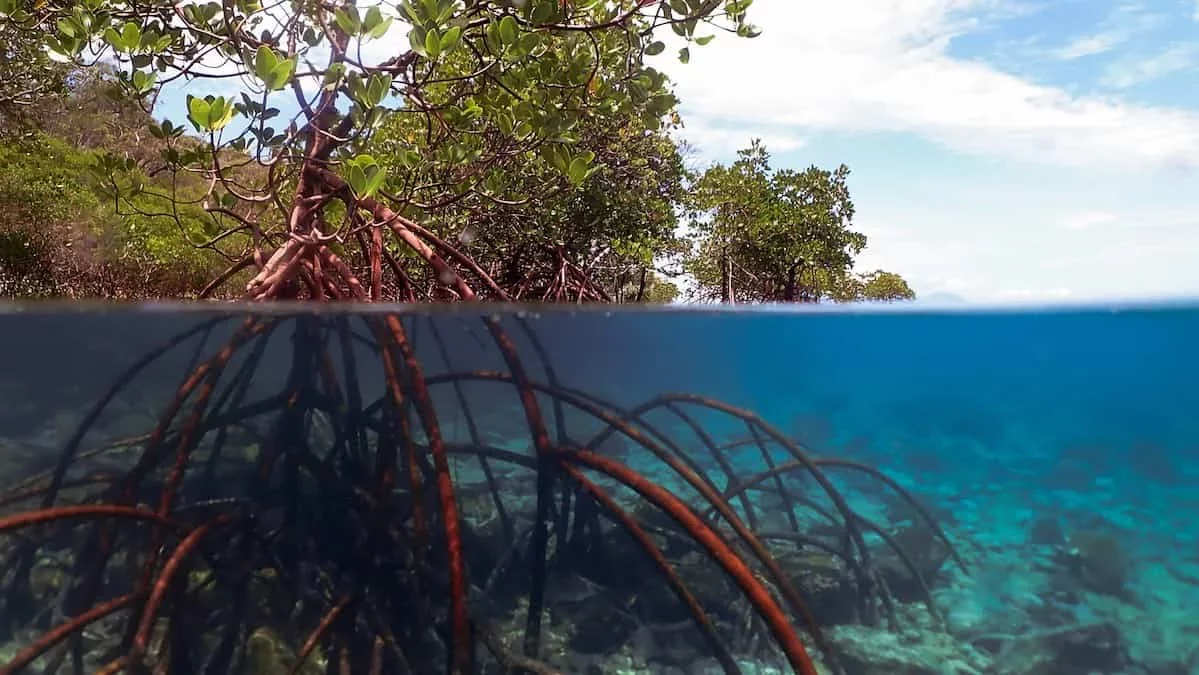
The research team, which includes scientists from seven countries, utilized the Regional Integrated Climate-Economy model (RICE50+) to integrate recent findings on climate change's effects on marine ecosystems. They assessed impacts on fisheries, coral reefs, mangroves, and coastal infrastructure across various climate scenarios.
This comprehensive approach reveals that the ocean's role in climate economics is vastly underestimated. Bastien-Olvera notes that their estimates are conservative, as many factors remain unaccounted for, such as the intrinsic value of deep-sea species and the protective benefits of kelp forests.
Understanding Marine Ecosystem Valuation
Economists often employ substitution parameters to assess the economic value of natural systems like coral reefs. While some benefits are straightforward to quantify, others, such as the aesthetic and emotional value of these ecosystems, are more complex to evaluate.
James Rising, a climate economist at the University of Delaware, commended the study for its methodical approach and its potential to influence policy decisions. He noted that this research provides a robust framework for future assessments of the social cost of carbon, paving the way for more accurate representations of marine ecosystem values in economic models.
This pioneering work marks a significant step forward in understanding the full economic implications of climate change, particularly concerning our oceans.