Fia Backström's exhibition, The Great Society, currently showcased at the Queens Museum, draws intriguing parallels between her experiences in West Virginia and the film Close Encounters of the Third Kind. In her portrayal, she likens the locals to aliens, a metaphor that resonates with the historical framing of Appalachia as peculiar and antiquated.
Representing the GRIT collective, a group of artists from economically challenged rural backgrounds, I aim to challenge the narrative established by Backström and writer Lauren O'Neill-Butler. Their perspectives often perpetuate a cycle of extracting trauma from Appalachia for artistic gain. This approach overlooks the richness of our stories and the voices of those who truly belong to this community.
While O'Neill-Butler and the museum position Backström as an expert on West Virginia, her limited engagement with the region raises questions about authenticity. The narratives of Appalachians are frequently shaped by outsiders, leading to a misrepresentation of our experiences. Power dynamics play a significant role in determining which stories are told and how they are perceived.
Backström's exhibition focuses on the infamous Buffalo Creek disaster of 1972, yet it generalizes the region's struggles, presenting a distorted image of Appalachia as solely a site of despair. This narrow narrative fails to capture the complexity of life here, which is filled with pride, resilience, and a strong sense of community. Hardships exist, but they are not the entirety of our story.
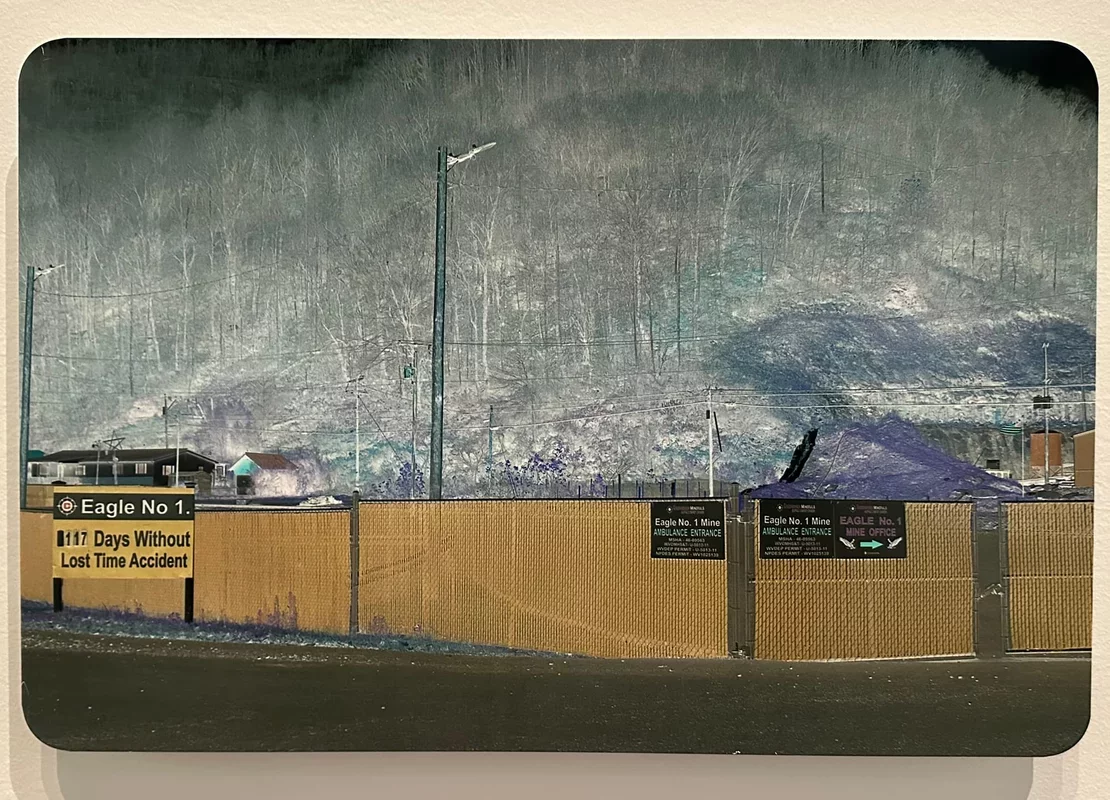
In The Great Society, the exhibition's visual language simplifies the rich tapestry of Appalachian life into a singular narrative of suffering. The absence of people in the photographs, while intended to avoid exploitative imagery, still constructs a spectacle of devastation, leaving viewers with the impression that only misery exists in the region.
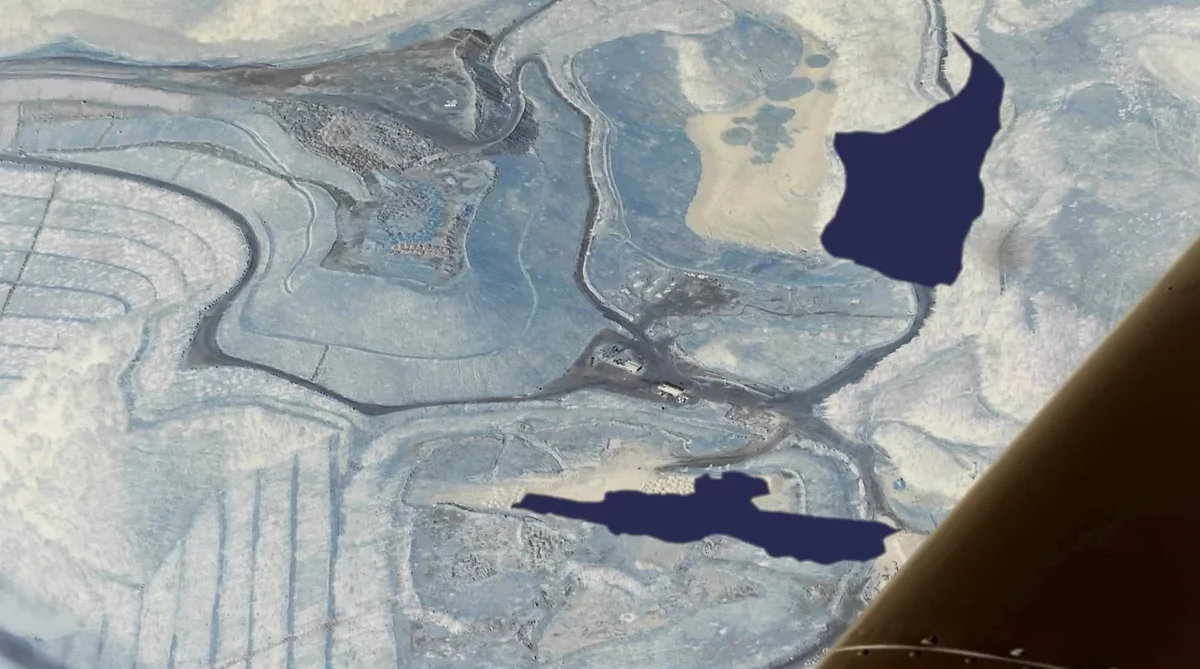
Backström's artistic choices, including the inversion of photographs, create an unsettling representation of familiar landscapes, overshadowing the pride locals feel in their natural surroundings. Her fragmented interview excerpts further perpetuate a narrative of neglect, misrepresenting the lived experiences of those from the region.
The collaborative quilt featured in the exhibition exemplifies the disconnect between Backström and the local community. While Appalachian quilting is a cherished tradition, the way it is presented in the exhibition reflects an outsider's perspective, undermining the skill and cultural significance of the craft.
Despite ongoing dialogue with the Queens Museum and Backström, there has been no acknowledgment of the harm caused by the exhibition's framing. This silence highlights the need for a more inclusive approach that allows Appalachians to share our own stories.
As we look to the future, it is crucial that cultural institutions create spaces for authentic Appalachian narratives, empowering local voices to reclaim their stories and reshape perceptions of the region.