Joseph Beuys, born in Krefeld, Germany, in 1921, remains a figure of profound contradictions in both his life and artistic journey. Initially, he joined the Hitler Youth before the age of mandatory membership and later served in the Nazi Air Force. Despite this controversial past, Beuys reinvented himself as a "healer" and a pivotal figure in the development of Germany's Erinnerungskultur ("culture of remembrance"). He is often viewed as a radical artist and a founding member of the first Green Party, yet his legacy is marked by complexities that challenge our understanding of his contributions to art and society.
In his new book, Joseph Beuys and History, art historian Daniel Spaulding presents a fresh perspective, suggesting that Beuys's actions and artworks should be interpreted through a lens of critical engagement rather than blind admiration. Spaulding argues that Beuys's works are imbued with contradictory meanings, reflecting the duality of his persona as both an artist and a political figure.
Beuys famously claimed, "Everyone is an artist," which implies that art is a universal medium capable of societal transformation. However, Spaulding posits that this utopian vision ultimately faltered, as Beuys often avoided confronting the darker aspects of his history and the implications of his art. His sculptures, such as the Fond III/3, embody this complexity, juxtaposing materials like copper and felt to explore themes of energy and warmth, while also hinting at deeper societal critiques.
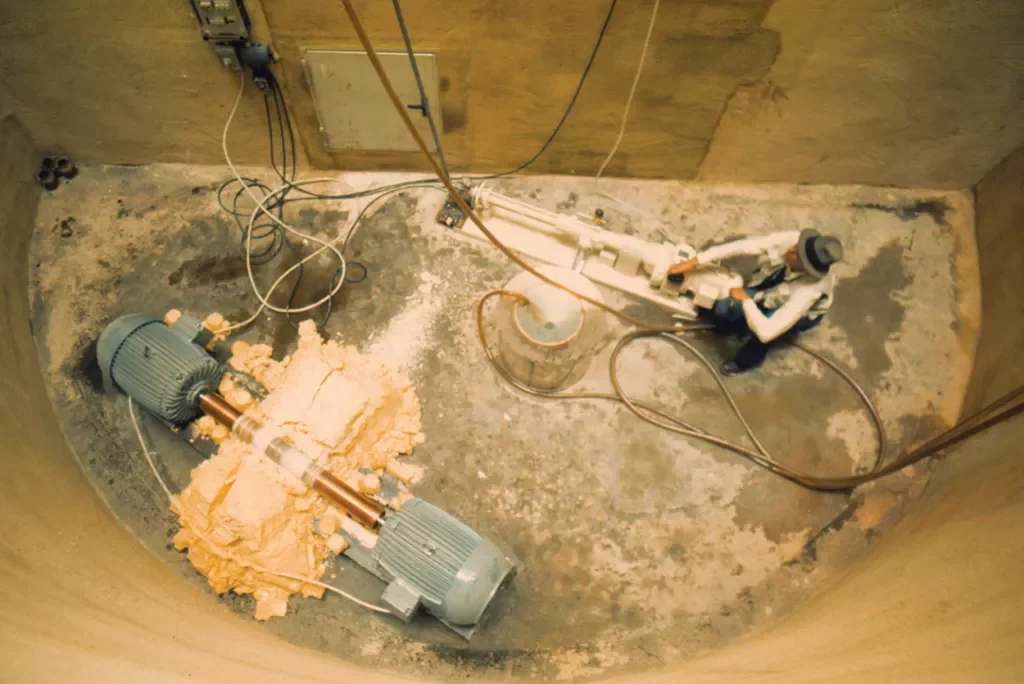
One of Beuys's most significant contributions is his exploration of how art interacts with capitalism, particularly in his practice of signing banknotes and asserting "Kunst = Kapital" ("Art = Capital"). This provocative stance invites a reevaluation of how art can serve as a commentary on economic systems. Beuys's installations, such as Honigpumpe am Arbeitsplatz (Honey Pump at the Workplace), metaphorically link honey to both sustenance and economic flow, suggesting that art can foster communal well-being.
Spaulding's examination of Beuys's legacy encourages a deeper dialogue about the responsibilities of artists in addressing historical traumas. While Beuys's approach may seem evasive, it also opens up avenues for discussing the failures of modernism and the potential for art to engage with pressing social issues. The artist's work serves as a reminder of the power of creativity to inspire change, even amidst contradictions.
As we reflect on Beuys's multifaceted legacy, it becomes clear that his contributions to art and society challenge us to confront our own complexities. The dialogue surrounding his work may inspire future generations to engage critically with both art and the socio-political landscapes they inhabit.