Stepping into the Participant Inc. gallery located in Manhattan's Chinatown, visitors are greeted by a profound darkness that invites exploration. As eyes adjust, a dazzling array of artworks comes to life in the exhibition titled [minna|منا]of us, which runs until March 15. This showcase features queer artists hailing from the Palestinian, Jordanian, Lebanese, Syrian, and Egyptian diasporas. The air is filled with the aromatic scent of burning incense, complemented by a curated sound mix by Palestinian musician Falyakon, guiding attendees through this unique experience. Curated by Palestinian-Jordanian-Egyptian artist Ridikkuluz, the exhibition serves as a platform for anti-colonial futurism that bridges tradition and geography.
Ridikkuluz shared, "The exhibition is about empowering artists to reclaim their voices during challenging times. Many of these creators have faced significant censorship, and this space allows them to express themselves freely."
While [minna|منا]of us highlights the stories of queer artists from the region, Ridikkuluz pointed out that the exhibition transcends identity markers. In a moment when the LGBTQ+ community in Arab countries faces oppression, the exhibition consciously avoids focusing on collective trauma.
Elias Jesús Rischmawi, a multimedia artist of Palestinian descent, expressed frustration over the frequent question regarding family acceptance of his identity. "I showcase my deep connection with my family through my art. Even if there are differences, I am celebrated within my community, which is a powerful statement."
Rischmawi's contributions include five photographs capturing family moments across various locations, including Florida and the Occupied West Bank. One poignant diptych reveals a black-and-white image of Rischmawi resting on his mother's knee, paired with a print of a lost painting depicting a similar moment between his mother and great-grandmother.
Exploring themes of heritage, identical twins André and Evan Lenox-Samour create intricate sculptures using mother of pearl, reflecting family heirlooms preserved during the Nakba in Palestine. Their work symbolizes migration and a sense of belonging through motifs like arrows and eight-pointed stars.
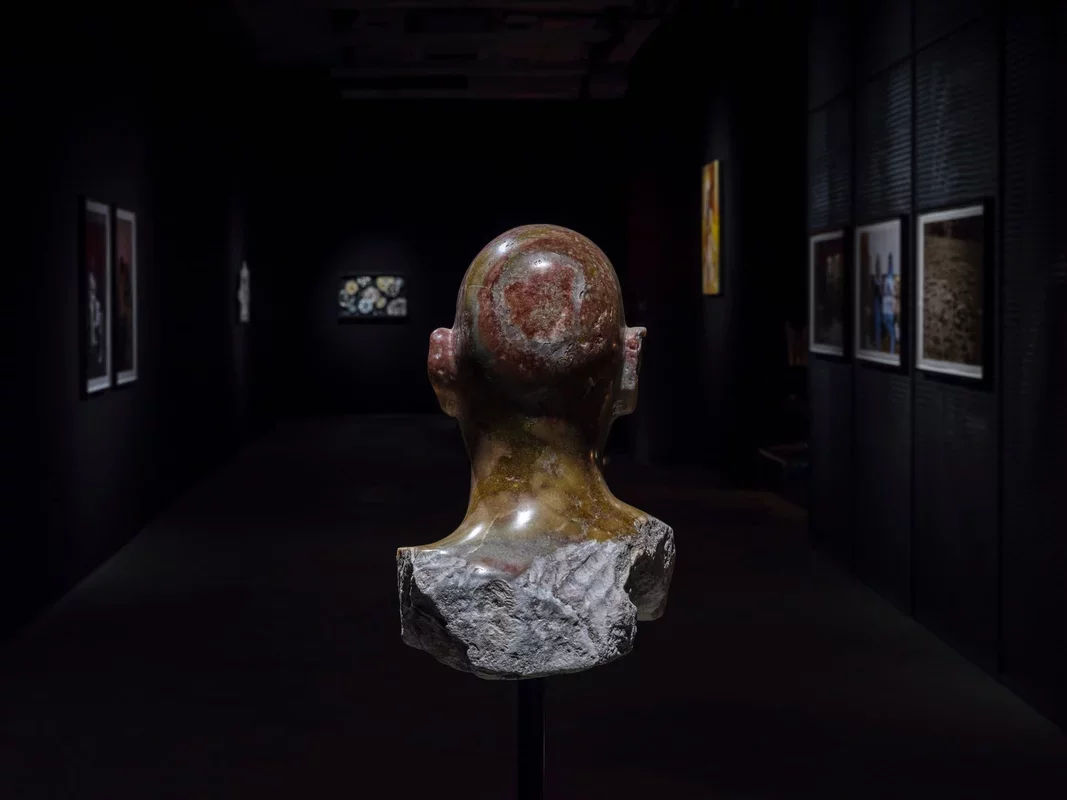
The exhibition also features a mixed-media installation by trans Palestinian artist Xaytun Ennasr, alongside a stone bust by Alex Khalifa inspired by Egyptian funerary art, and a contemplative film titled "Congress of Idoling Persons" by Beirut-born artist Basyma Saad.
On the upper floor, co-organizer SALMA gallery displays a striking self-portrait by Syrian-Canadian artist Anka Kassabji. In a serene icy bath, she exudes confidence, embodying a fierce feminine energy that celebrates resilience through adversity.
Palestinian-Jordanian artist Fares Rizk showcases vibrant paintings of his alter ego, Sultana, New York's first Palestinian drag queen. Sultana, portrayed in lively scenes, embodies vivacity and joy, reflecting Rizk's passion for performance and art.
Rizk, who has embraced his artistic journey for over four decades, credits his mother for nurturing his interests in dance and makeup. He emphasizes the healing power of performance, stating, "When I belly-dance on stage and feel the audience's energy, it alleviates my anxiety."