Science Corporation has implanted its PRIMA retinal device in a patient with Stargardt disease, marking the start of the company's first clinical trial involving the inherited condition. The implant was placed in May at Sydney Eye Hospital in Australia.
During rehabilitation, the patient reportedly identified a letter in the first session and read a word in the second. The early results are part of an ongoing trial and do not yet establish how well the device may work for other patients.
How the implant works
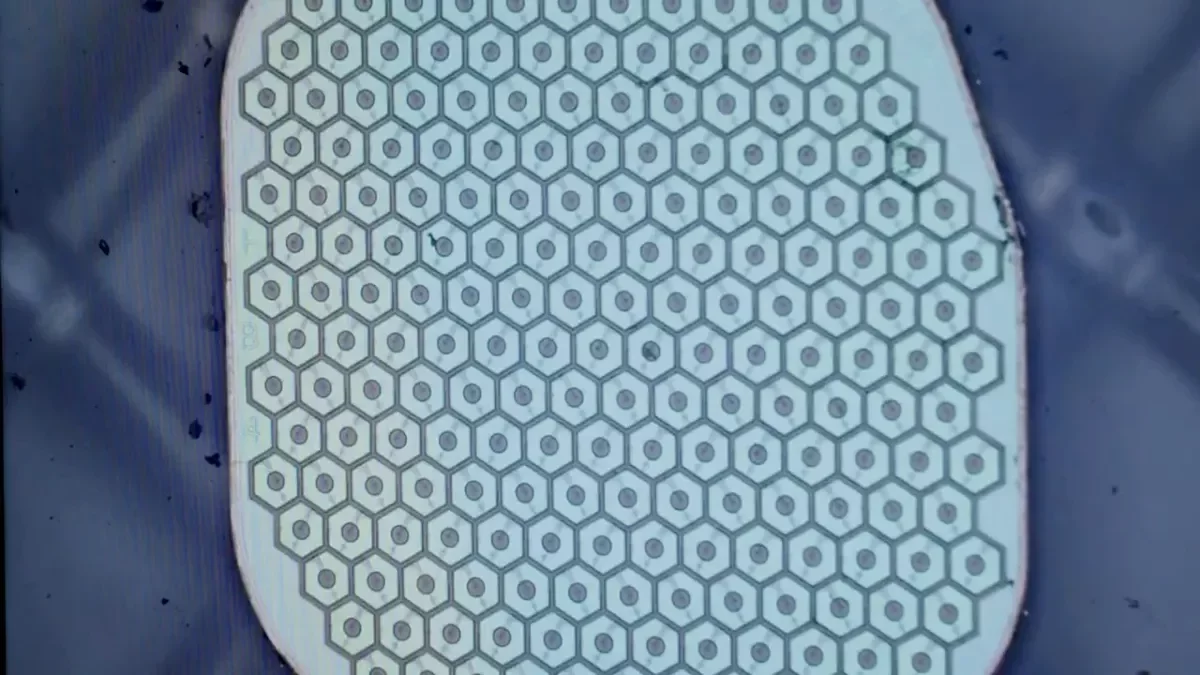
PRIMA is a roughly 2-by-2-millimeter chip placed at the back of the eye, where light-sensitive cells have deteriorated. Camera-equipped glasses send visual information to the implant, which is designed to act like artificial photoreceptors and stimulate the remaining visual pathway.
Science Corporation CEO Max Hodak said the device currently provides a small area of high-contrast, black-and-white vision, allowing users to perceive only a limited portion of a scene at a time. The company is working on a next-generation implant intended to expand the field of view and improve detail.
Stargardt disease gradually damages central vision, while parts of the inner retina may remain intact. The condition is considered incurable, and the company estimates that around 150,000 people worldwide have lost vision because of it. PRIMA is also commercially available in Europe for some people with vision loss caused by geographic atrophy, an advanced form of age-related macular degeneration.
From vision restoration to broader neural technology
Hodak describes retinal implants, cochlear implants and motor prostheses as forms of brain-computer interface technology, since each interacts with the nervous system. Science Corporation says it is also developing neural engineering systems for potential future medical applications.
The company's next steps will depend on clinical evidence and continued device development. Progress in retinal implants could broaden the possibilities for restoring useful visual function and inform future neural technologies.